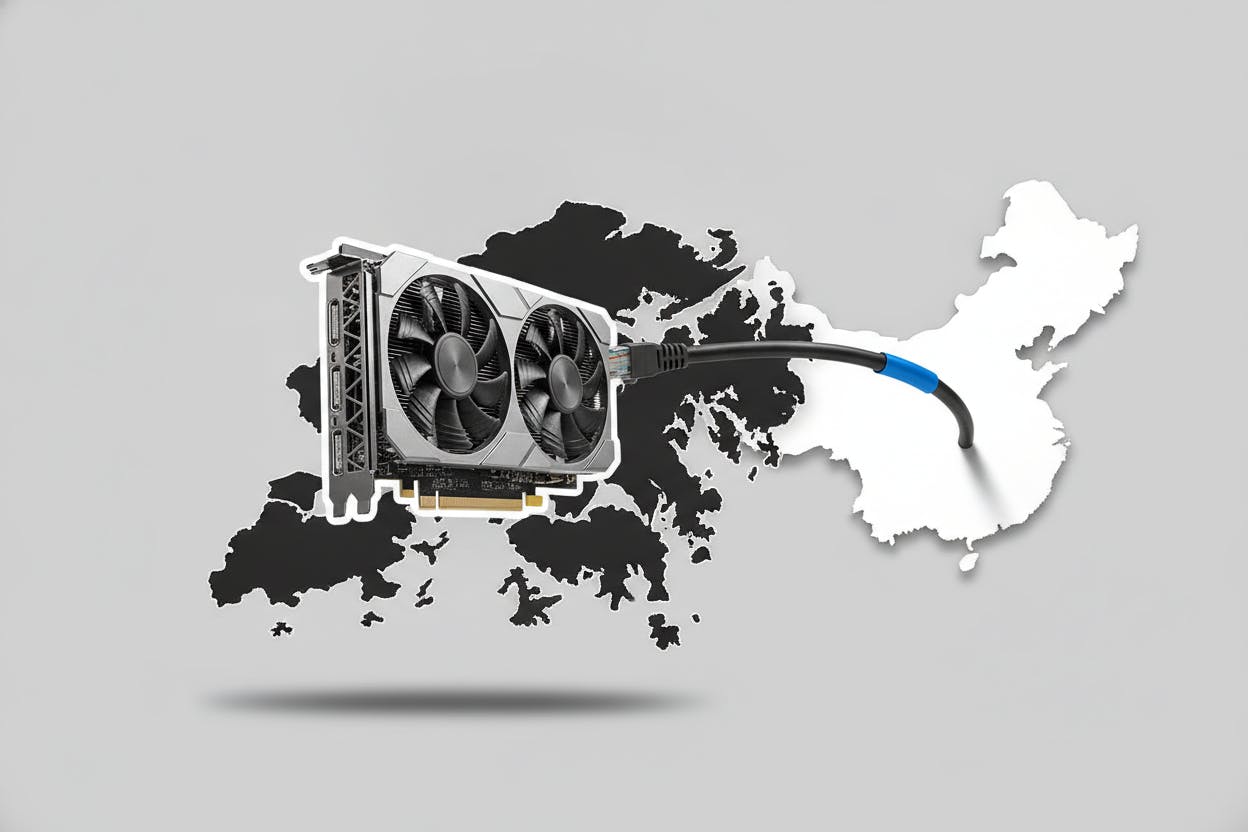
Nvidia's most advanced AI chips are still finding their way into the hands of major Chinese companies, but Beijing is trying to keep that computing power outside the mainland. According to the Financial Times, ByteDance—the owner of TikTok—and Tencent, one of China's largest tech firms, each received roughly 10,000 Nvidia H200 processors in recent weeks. Other companies are reportedly trying to line up similar shipments.
The H200 is Nvidia's latest high-end graphics processing unit (GPU), designed specifically for artificial intelligence workloads. It's the successor to the H100, which has been in high demand globally as tech giants race to build and train large AI models. For Chinese firms, access to these chips is crucial because they are among the most powerful available, and domestic alternatives are still catching up.
However, the U.S. has imposed export controls on advanced chips to China, citing national security concerns. The H200 is subject to these restrictions, but the Financial Times reports that Washington has cleared purchases of up to 100,000 H200 chips per company. That's a significant allowance, but Beijing appears to have its own preferences.
Why Hong Kong?
Chinese regulators are reportedly steering usage of these chips toward Hong Kong rather than the mainland. The reasoning, according to the report, is to support the development of homegrown chipmakers. By keeping the most advanced foreign chips out of mainland data centers, Beijing may be trying to give domestic companies like Huawei and Cambricon more room to grow and compete.
Hong Kong, while part of China, operates under a different regulatory and economic system. It's a special administrative region with its own customs and trade policies, which makes it a more accessible entry point for foreign technology. For Chinese companies, using Hong Kong as a hub for AI computing could allow them to access the chips while still complying with Beijing's broader industrial strategy.
This isn't the first time China has used Hong Kong as a workaround. In the past, the city has served as a gateway for goods and technology that are restricted on the mainland. But this time, the move is less about evading U.S. sanctions and more about managing the domestic tech ecosystem.
What it means for investors
For everyday investors, this news highlights the ongoing tension between the U.S. and China over advanced technology. Nvidia is caught in the middle: it wants to sell its chips to the lucrative Chinese market, but it also has to comply with U.S. export rules. The company has already developed a less powerful version of its chips specifically for China, but the H200 is still the prize.
The fact that Chinese giants like ByteDance and Tencent are still getting their hands on H200s suggests that the export controls aren't a complete barrier. But the push to keep the chips in Hong Kong could have implications for where AI development happens in China. If the most advanced computing power is concentrated in Hong Kong, it might slow the pace of AI innovation on the mainland, which could affect the competitive landscape.
For investors in Nvidia, this is a reminder that the company's revenue from China is uncertain. While the U.S. has cleared up to 100,000 chips per company, it's unclear how many will actually be shipped and how Beijing's preferences will shape demand. Nvidia's stock has been on a tear thanks to AI demand, but geopolitical risks remain a key factor to watch.
For investors in Chinese tech stocks, the news is a mixed bag. On one hand, access to H200 chips means these companies can continue to build competitive AI products. On the other hand, the regulatory push to keep the chips in Hong Kong could signal that Beijing is more focused on self-reliance than on giving its biggest firms every advantage. That's a theme that has been playing out across China's tech sector, as seen in the recent rise of domestic chipmaker CXMT.
The broader market context also matters. China's economy has been struggling to regain momentum, with recent data missing expectations and clouding the government's growth targets. That has weighed on Chinese stocks, as AI rallies cool and energy gains on oil. If AI spending continues to surge, it could provide a boost, but the regulatory environment remains a wildcard.
For now, investors should keep an eye on how this plays out. Will Beijing allow more H200s into the mainland, or will Hong Kong become the permanent home for advanced AI computing? And how will U.S. policy evolve? These are questions that could shape the fortunes of both Nvidia and Chinese tech giants in the months ahead.
As always, it's important to remember that geopolitical developments like this can be unpredictable. While the current situation suggests a delicate balance, any shift in policy—either in Washington or Beijing—could change the picture quickly. For investors, staying informed and diversified is the best approach.