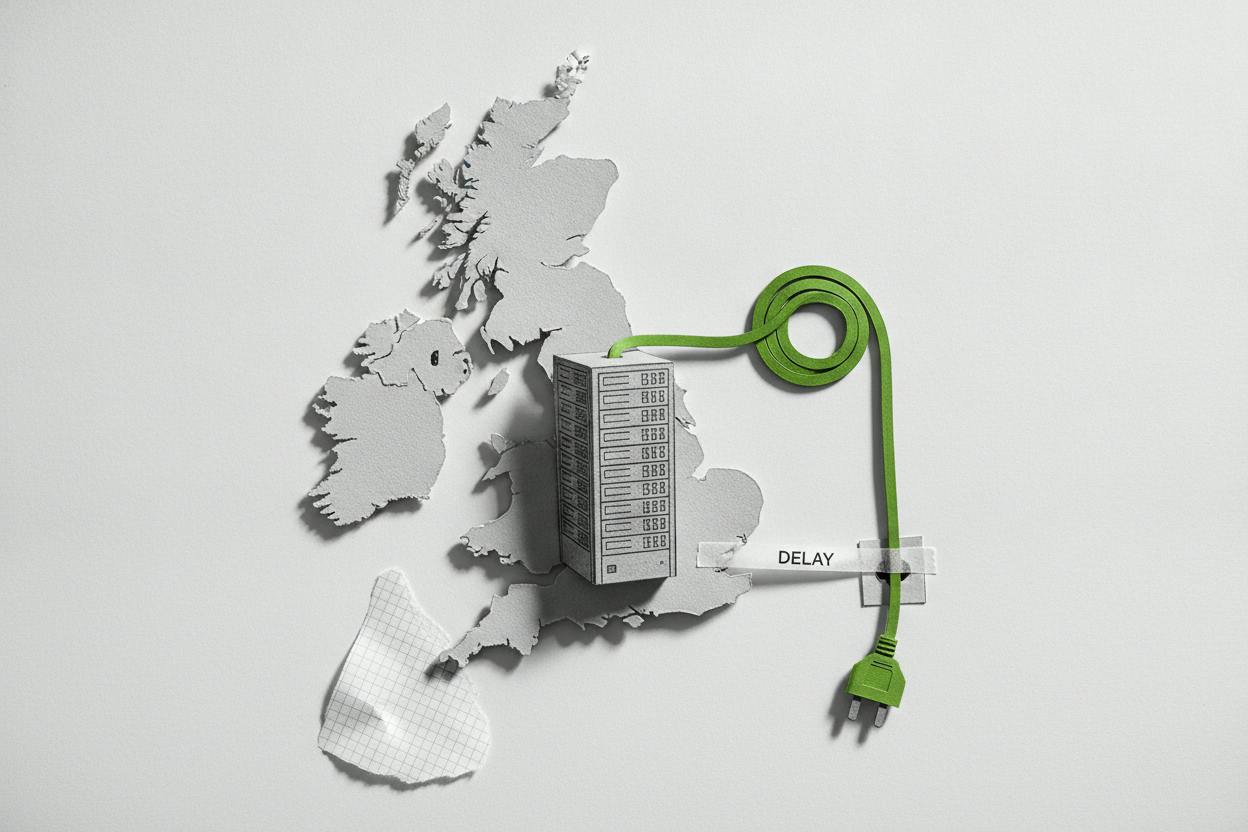
Nvidia has reportedly slashed its roster of approved Asian buyers for advanced artificial intelligence chips by more than half, following a major tightening of compliance checks designed to keep the processors from reaching China. The move signals a significant escalation in the company's efforts to enforce US export controls on semiconductor technology.
What's happening
According to a report from the Financial Times, Nvidia has “more than halved” its Asian customer “white list” after conducting tougher compliance reviews in key markets including Singapore, Malaysia, and Japan. Many so-called neo-cloud providers—smaller cloud computing firms that often resell computing power—have been removed from the list for now, though they are allowed to reapply after making changes to their operations.
The new vetting process is notably hands-on. Nvidia staff are reportedly visiting data centers, verifying contracts, and interviewing end users to confirm where the chips will actually be used. This marks a departure from earlier, more paper-based checks that critics said were easier to circumvent.
Why it matters
The crackdown comes amid heightened US government scrutiny over the flow of advanced semiconductors to China. Washington has imposed export restrictions on high-performance AI chips, arguing they could be used by the Chinese military to develop advanced weapons. Nvidia, as the dominant supplier of AI training and inference chips, has been under pressure to ensure its products do not end up in unauthorized hands.
The company's A100, H100, and newer Blackwell-series chips are among the most sought-after for AI workloads, and they are subject to strict export controls. The latest compliance measures suggest that Nvidia is taking a more proactive stance to avoid running afoul of US regulations, which could result in heavy fines or loss of export privileges.
For everyday investors, this development highlights the growing geopolitical risk embedded in the semiconductor supply chain. Nvidia's stock has been a standout performer in the AI boom, but regulatory and compliance costs are rising. The company's ability to navigate these restrictions while maintaining sales growth will be a key factor to watch.
What it means for investors
While the removal of customers may reduce short-term revenue from certain Asian markets, it could also protect Nvidia from more severe penalties down the line. The company is effectively self-policing to stay within the bounds of US law, which may reassure investors worried about a sudden regulatory crackdown.
However, the move also underscores the fragility of Nvidia's exposure to Asia. The region has been a major growth driver, and any sustained reduction in sales could weigh on earnings. Investors should monitor how quickly removed customers can reapply and meet the new compliance standards, as well as any broader shifts in demand from Chinese AI developers who may turn to alternative suppliers.
Competitors like AMD and homegrown Chinese chipmakers such as Huawei are also vying for a slice of the AI chip market. If Nvidia's compliance measures become too restrictive, some customers may look elsewhere. For context, AI startup Reflection recently signed a $1B+ deal for Nvidia chips, showing that demand remains strong from vetted buyers.
Broader context
The news comes amid a broader push by the US to tighten technology exports to China. The Commerce Department's Bureau of Industry and Security has issued guidance that companies like Nvidia must conduct due diligence to prevent diversion. Reuters has noted that US officials are increasingly focused on transshipment hubs like Singapore and Malaysia, where chips can be rerouted to China.
Meanwhile, the AI chip market remains intensely competitive. Google is pitching its custom TPU chips to smaller cloud providers, directly challenging Nvidia's dominance. And Meta's $50B AI pledge failed to lift chip stocks as concerns about Nvidia's market share persist.
For investors, the key takeaway is that Nvidia is adapting to a more complex regulatory environment. The company's long-term growth story remains intact, but the path is becoming more complicated. As always, diversification and a focus on companies with strong compliance track records can help manage geopolitical risks.