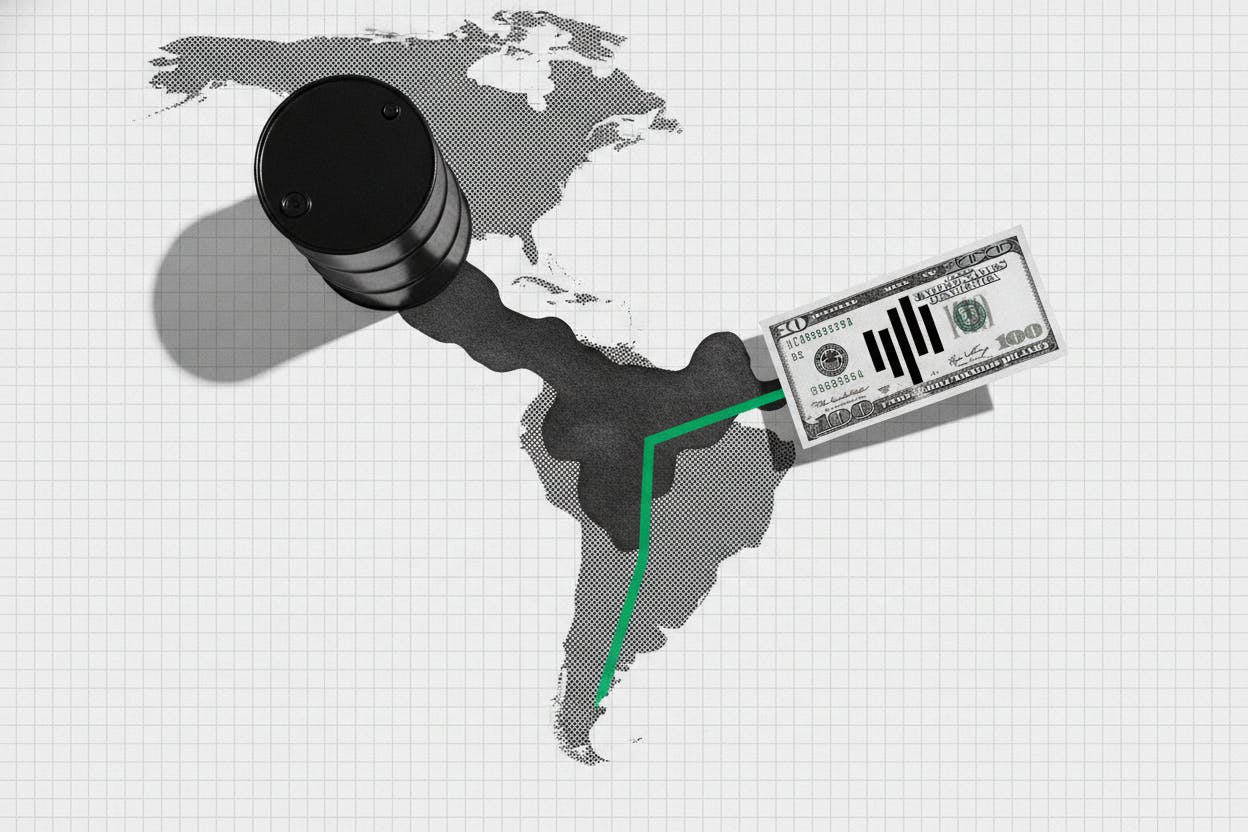
Oil prices climbing back above $100 a barrel is sending shockwaves through Latin American markets, with investors rushing into the U.S. dollar and pulling money out of regional stocks and currencies. Chile's peso hit its weakest level since November 2025, falling 1.3% to 947.7 per dollar, as the broader MSCI Latin America equity index slid 1.5%.
What's Behind the Oil Spike?
Brent crude, the global benchmark, jumped 7% to break the $100 threshold after attacks on Saudi tankers in the Red Sea raised fresh fears about supply disruptions. The region is a critical chokepoint for oil shipments, and any threat to tanker traffic can quickly push prices higher. This latest move adds to a volatile year for energy markets, with oil already trading above $98 in recent weeks amid ongoing geopolitical tensions.
The price surge is a stark reminder of how quickly energy costs can ripple through the global economy. For context, oil above $100 tends to act like a tax on consumers and businesses, raising costs for everything from gasoline to plastics. It also complicates central banks' efforts to tame inflation, as higher fuel prices feed into broader price pressures.
Why Latin America Is Feeling the Pain
Latin American markets are particularly sensitive to oil price spikes because many countries in the region are net importers of crude. Chile is a prime example: it imports most of its oil, so when prices rise, the country's trade deficit widens and inflation gets a boost from more expensive fuel and imported goods. That's a double whammy for the peso, which weakens as investors seek safer assets like the U.S. dollar.
The broader MSCI Latin America index's 1.5% decline reflects a widespread 'risk-off' mood, where investors sell stocks and currencies in emerging markets and move into havens. This pattern has played out before during oil shocks, and it underscores how interconnected global markets are. For everyday investors, it's a reminder that geopolitical events far from home can directly impact the value of their holdings in emerging-market funds or ETFs.
This isn't an isolated event. Earlier this year, similar dynamics hit other regions: India's Nifty 50 fell for four straight days as oil above $98 stirred inflation fears, showing how rising energy costs pressure import-dependent economies worldwide.
What It Means for Investors
For everyday investors, the key takeaway is that oil above $100 can create headwinds for emerging-market stocks and currencies, especially in countries that rely heavily on imported energy. If you hold a diversified portfolio with exposure to Latin America or other oil-importing regions, expect some volatility. On the flip side, energy-exporting nations and companies can benefit from higher prices, though that's not the case here.
The move also highlights the broader trend of 'risk-off' trading, where investors favor safe-haven assets like the dollar and Treasuries. Thirty-year Treasury yields have held above 5% for two weeks, a sign that bond markets are already pricing in higher inflation and interest rates. That environment can be tough for stocks, particularly in emerging markets, which often suffer when the dollar strengthens.
Investors should also watch how central banks in the region respond. Higher oil prices could force them to keep interest rates elevated to combat inflation, which would further slow economic growth. For now, the market is betting that the oil spike will be temporary, but if supply disruptions persist, the impact could linger.
This story ties into a larger narrative about how geopolitical shocks reshape markets. Oil hitting $100 amid Red Sea attacks and AI spending jolts markets, and American Airlines recently slashed its profit forecast due to surging fuel costs linked to Iran tensions. For Latin America, the immediate pain is clear, but the longer-term outlook depends on whether oil stays above $100 or retreats.
In the meantime, investors should keep an eye on currency movements and inflation data from the region. Chile's peso at a 2025 low is a red flag, but it could also create opportunities for those willing to take on more risk in a recovering market. As always, diversification and a long-term perspective are your best tools for navigating these choppy waters.



