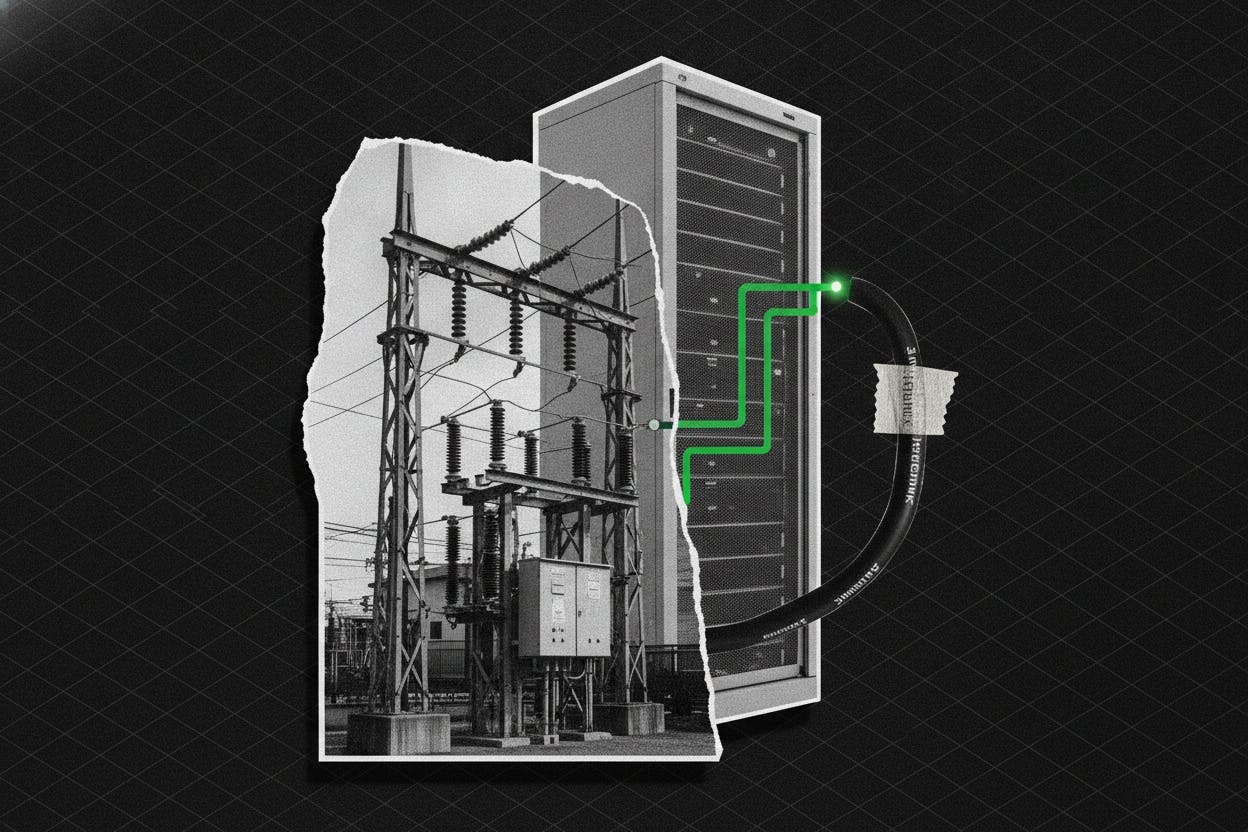
Oil is back above $100 a barrel, and the energy crisis shows no sign of resolving. Every fresh attempt to steady supply seems to run into another obstacle, keeping crude prices elevated and leaving governments, businesses and households to grapple with the consequences.
For investors, the immediate reaction is usually to look at oil and gas producers. But the more interesting question is what happens next — and whether the current shock rhymes with the disruptions the world has already lived through this decade.
Two recent shocks, two sets of clues
The 2020s have already delivered two major energy disruptions. The first came with the pandemic, when demand collapsed almost overnight and producers were forced to shut in wells. The second followed Russia's invasion of Ukraine, which upended natural gas flows into Europe and sent prices for power, heating and industrial fuel soaring.
Both episodes left useful lessons. When supply is suddenly constrained, the market does not simply wait for the old sources to come back. Capital, engineering talent and political will shift toward whatever can fill the gap fastest — whether that is alternative suppliers, new infrastructure or technologies that reduce reliance on the disrupted fuel.
That pattern is worth remembering now. The current crisis is not a carbon copy of either earlier shock, but the mechanics of scarcity tend to produce similar responses.
What makes this energy shock different
Three features stand out.
First, the supply side is harder to fix. Unlike a demand shock, which can reverse quickly once economies reopen, supply disruptions involve physical bottlenecks — pipelines, shipping routes, refineries and long permitting timelines. Those take years, not months, to resolve.
Second, the transition to cleaner energy is now a live policy priority. Governments are trying to secure affordable energy today while also building toward lower-carbon systems tomorrow. That dual mandate pulls investment in two directions at once, and it means capital is flowing into areas that would not have been obvious winners in previous cycles.
Third, the shock is global and simultaneous. Europe, Asia and parts of the developing world are all competing for the same barrels, cargoes and equipment. That competition tends to lift prices for everything from liquefied natural gas to tanker rates and the metals used in energy infrastructure.
As one recent market note put it, energy spikes alone do not automatically force central banks into another rate hike — but they do complicate the inflation picture. That matters because higher rates raise borrowing costs across the economy, including for the very projects meant to solve the supply problem.
Where the opportunity could move
If the crisis drags on, the winners are unlikely to be limited to companies that pump oil. History suggests several adjacent areas tend to attract attention:
- Liquefied natural gas and its infrastructure. As buyers look to replace piped gas with seaborne cargoes, terminals, carriers and long-term supply deals become more valuable. LNG deal activity has already been picking up even as oil prices wobble.
- Energy efficiency and electrification. When fuel is expensive, the payback period on insulation, heat pumps, efficient motors and grid upgrades shortens. Demand for these products tends to rise regardless of the underlying fuel price.
- Critical minerals and materials. Solar panels, wind turbines, batteries and transmission lines all require metals such as copper, lithium and rare earths. Exploration and development spending in these areas often follows energy crises, as seen in recent Quebec exploration funding.
- Companies with pricing power. Businesses that can pass higher energy costs to customers — or that sell products which help others use less energy — tend to hold up better than those with thin margins and heavy fuel bills.
It is worth noting that markets do not move in a straight line. Energy stocks can fall even when the headlines are bullish, as seen when oil prices slipped and energy shares followed. And broader indices can absorb energy weakness if other sectors, such as technology or metals, are strong enough to offset it.
What it means for investors
The key takeaway is not to chase the headline price of crude. Instead, think about the second-order effects. When energy is scarce and expensive, the companies that help the world use less of it, move it more efficiently, or produce it from new sources tend to see demand for their products rise.
That does not mean every clean-energy or infrastructure stock is a winner. Many of these businesses are capital-intensive, sensitive to interest rates and dependent on government policy. Higher borrowing costs can weigh on projects with long payback periods, even if the long-term demand outlook is strong.
Investors will also want to watch how central banks respond. If energy-driven inflation keeps consumer prices elevated, policymakers may keep rates higher for longer, which would pressure valuations across the market. On the other hand, if the spike proves temporary, the focus could shift back to growth and earnings.
Finally, diversification matters. Energy crises create winners and losers, and the winners are not always the obvious ones. Spreading exposure across fuels, technologies and regions can help investors participate in the transition without betting everything on a single outcome.
The crisis may not end soon. But the clues from past shocks suggest that the next winners could emerge well beyond the oil patch — in the infrastructure, materials and efficiency businesses that help the world adapt.