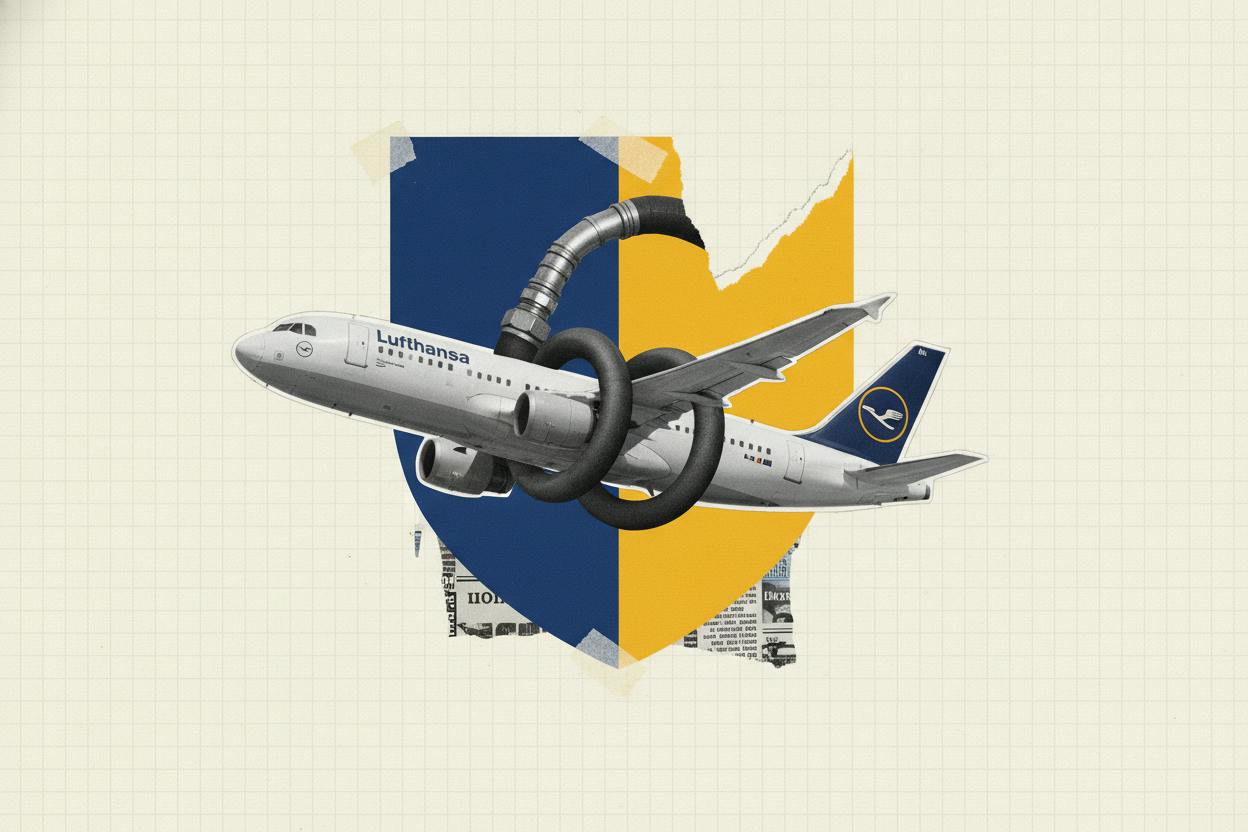
Lufthansa's chief executive, Carsten Spohr, has told investors that the airline's additional fuel costs for this year will come in higher than the €1.5 billion it flagged back in August. Despite the rising bill, the group is holding on to its operating profit forecast for the year.
The admission highlights how volatile energy prices remain for airlines, where fuel is typically one of the largest single expenses after labour. Even when demand is strong, a jump in jet fuel prices can quickly eat into margins.
Why fuel costs matter so much to airlines
Fuel is not just a big line item on an airline's income statement; it's a major swing factor. A small change in the price of jet fuel can shift profits by hundreds of millions of euros across a large carrier like Lufthansa. That's why airlines spend a lot of time and money trying to manage their exposure.
One of the main tools they use is hedging. A fuel hedge is essentially a contract that locks in a price for fuel to be delivered in the future. By hedging, an airline can protect itself against sudden price spikes, but it also means it can miss out if prices fall. Lufthansa's chief financial officer has said the group has already hedged 86% of its expected fuel needs for 2026, which gives some visibility for next year. However, the hedge for the current year is less complete, which is why the extra cost is now expected to be higher than originally thought.
The airline hasn't put a new number on the additional bill yet, but the direction is clear: it's going up. The exact impact will depend on how long current fuel prices stay elevated and how quickly they flow through to the airline's reported earnings.
What this means for the profit outlook
Lufthansa's decision to keep its operating profit forecast intact suggests management believes it can absorb the higher fuel costs through other means, such as strong ticket prices, cost cuts, or better operational efficiency. But that's a balancing act. If fuel prices keep climbing, the pressure on margins will intensify, and the company may eventually have to revise its guidance.
For investors, the key question is whether higher fuel costs will ultimately force Lufthansa to lower its profit target. The fact that the CEO is flagging the issue now, rather than quietly absorbing it, could be a warning sign. Airlines often use such statements to manage expectations ahead of a potential downgrade.
It's also worth noting that Lufthansa isn't alone in facing this challenge. Airlines across Europe and beyond are dealing with similar fuel cost pressures, and how they manage them will be a key theme in the coming quarters. In a broader context, rising energy costs can also feed into inflation, which is something central banks are watching closely.
What it means for everyday investors
If you own Lufthansa shares, or are considering them, the fuel bill is a factor to keep an eye on. Higher costs can reduce profits, which in turn can weigh on the share price. But it's not all bad news: the airline's hedging strategy for 2026 provides some protection, and a strong travel market could help offset the impact.
For investors in airline stocks generally, fuel prices are a constant risk. It's one of the reasons airline shares tend to be more volatile than the broader market. When fuel prices rise, airline profits can be squeezed; when they fall, airlines often see a boost. Understanding how much of a carrier's fuel needs are hedged can give you a sense of how vulnerable it is to price swings.
Lufthansa's situation also offers a reminder that even when a company sticks to its profit forecast, the path to that forecast can be bumpy. The market will be watching closely to see if the airline can hold the line on profits despite the higher fuel bill.
In the meantime, investors might also be watching other developments in the aviation sector, such as a major MRO deal that could reshape maintenance services, or how shipping costs are hitting other companies. These stories show how cost pressures are affecting businesses across the board.
For now, Lufthansa's message is clear: fuel is going to cost more than expected, but the airline is determined to keep its profit promise. Whether it can deliver remains to be seen.