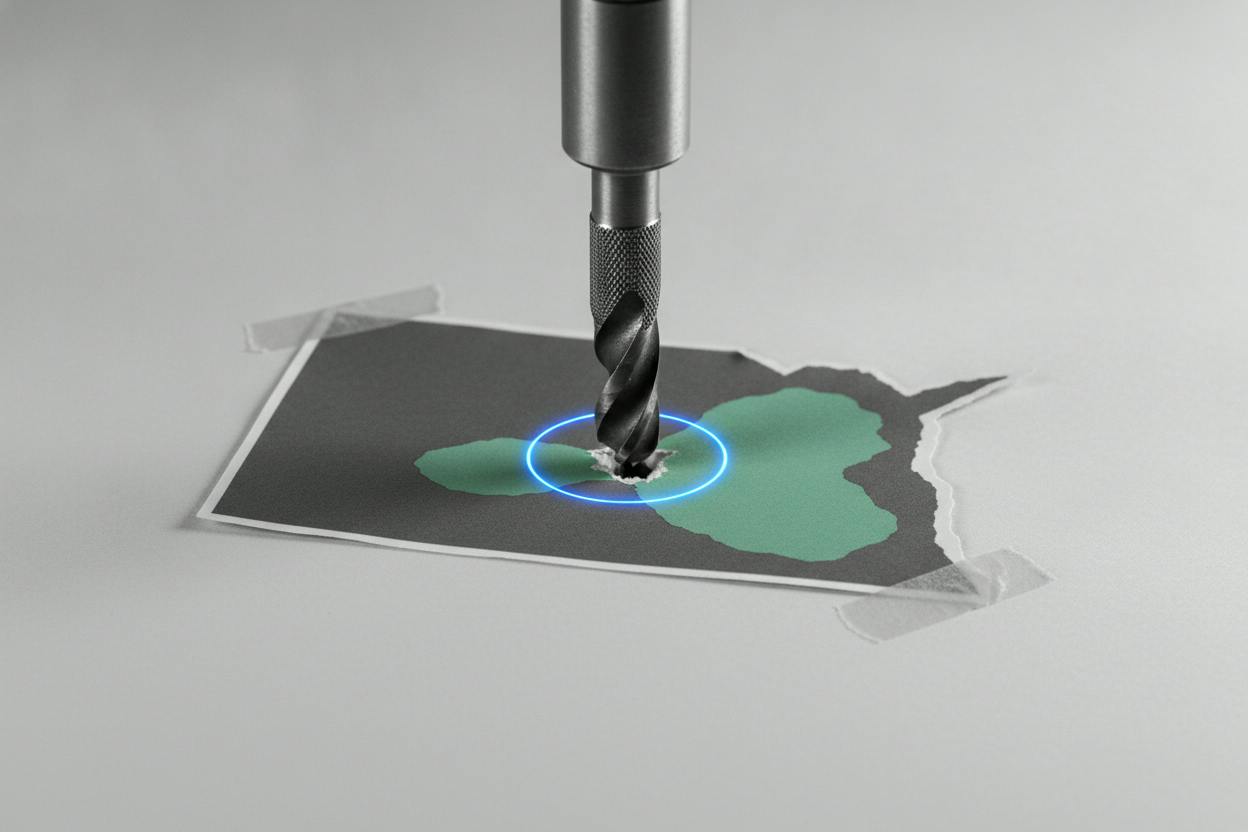
Traction Uranium has started diamond drilling at its Aurora uranium project in Saskatchewan's Athabasca Basin, one of the world's most prolific uranium regions. The program is designed to test shallow targets identified through geophysical surveys and radiation measurements, with plans to drill 800 meters across four to six holes.
The company is funding this initial work under an earn-in agreement with Cosa Resources, which currently owns and operates the project. If Traction covers up to CA$9.15 million in exploration costs over time, it can earn an 80% interest in Aurora. This structure lets Traction build its stake through staged spending rather than paying a large sum upfront.
Why the Athabasca Basin matters
The Athabasca Basin in northern Saskatchewan is home to some of the world's highest-grade uranium deposits. It has been a key source of uranium for decades, and its geology is well understood by explorers. For a junior company like Traction, gaining a foothold in this region is often seen as a strategic move, even though exploration carries significant risk.
Uranium prices have been volatile in recent years, influenced by global energy demand, nuclear power policies, and supply disruptions. Many countries are looking to nuclear energy as a low-carbon option, which has renewed interest in uranium exploration. However, finding and developing a new mine takes years and substantial capital, so most early-stage projects remain speculative.
What the earn-in deal means
Under the earn-in arrangement, Traction can gradually increase its ownership by funding exploration. This approach is common in the mining sector, allowing a company to test a project's potential before committing to a full acquisition. If the drilling results are encouraging, Traction may continue funding to reach the 80% threshold. If not, it can walk away after spending only what it has already invested.
For Cosa Resources, the deal provides funding for exploration without diluting its own shareholders. For Traction, it offers a chance to gain a majority stake in a promising project while managing financial risk.
What investors should watch
For everyday investors, the key takeaway is that this is an early-stage exploration program. Drilling results, when released, will be the first major catalyst. Positive findings could boost Traction's stock, while disappointing results could weigh on it. Investors should also keep an eye on uranium prices, as they directly affect the economics of any future mine.
It's also worth noting that Traction is a junior explorer, which means its shares can be highly volatile. The company has no revenue from mining yet, so its value is tied to the success of its exploration projects. This type of investment carries a high level of risk and is generally suited to those who can tolerate significant swings.
In the broader context, uranium exploration has been picking up as nuclear power gains renewed attention. Other uranium projects have also seen increased activity, reflecting a sector-wide push to secure future supply. However, each project is unique, and success is far from guaranteed.
For now, the drilling at Aurora is a step forward for Traction, but it's just the beginning. Investors will be watching closely for the results, which could take weeks or months to analyze. Until then, the company's progress will be measured by its ability to execute the program and manage costs.
As always, it's wise to do your own research and consider how a speculative exploration stock fits into your overall portfolio. While the potential rewards can be significant, so can the risks.