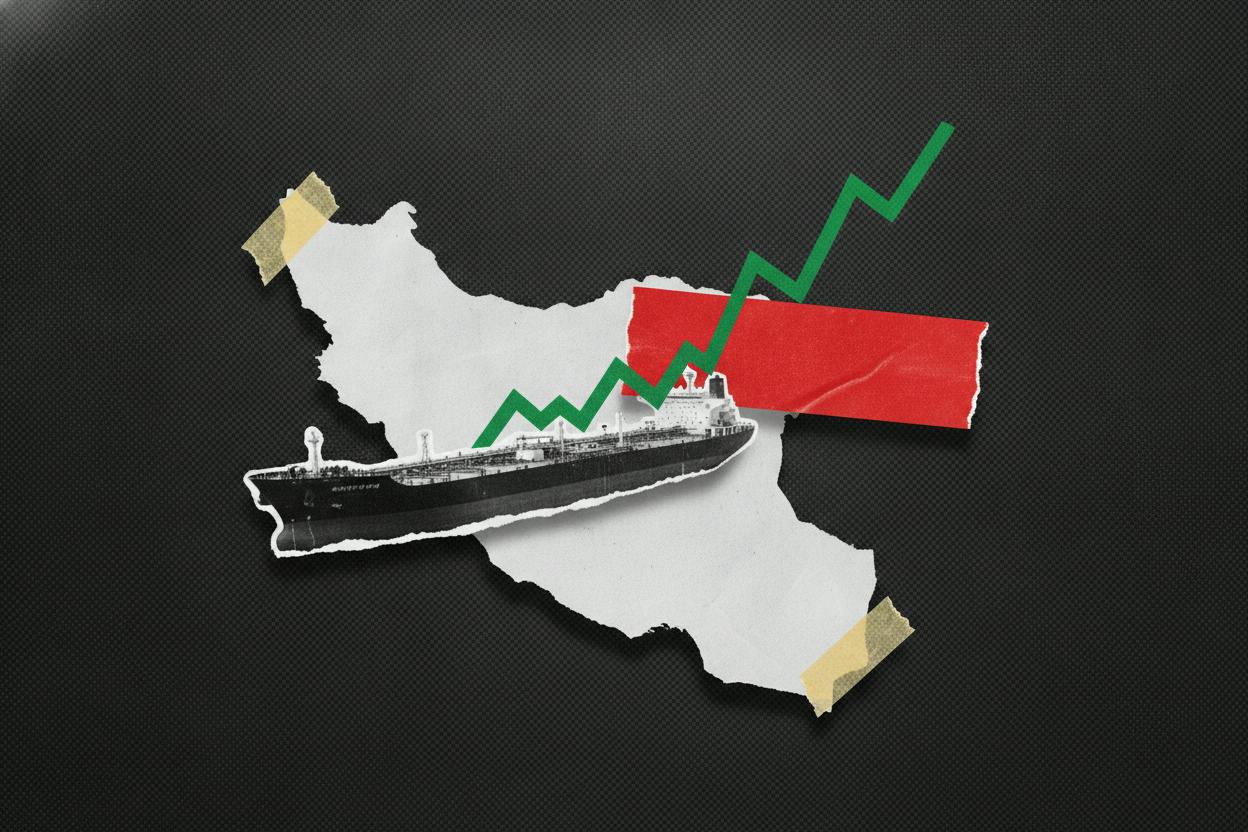
Oil prices jumped on Monday after the United States rejected Iran's conditional offer to reopen the Strait of Hormuz, a critical shipping lane for global crude. Brent crude, the international benchmark, rose 3.4% to $107.91 a barrel, as traders priced in the risk of supply disruption.
The move came as European stocks finished mixed, with the Stoxx Europe 600 and Germany's DAX each edging up 0.1%, while the UK's FTSE 100 slipped 0.1%. Energy shares helped support the broader market, but gains were limited by ongoing concerns about inflation and interest rates.
Why the Strait of Hormuz matters
The Strait of Hormuz is a narrow waterway between Iran and Oman that connects the Persian Gulf to the Gulf of Oman and the open sea. Roughly one-fifth of the world's oil passes through it, making it one of the most important chokepoints for global energy supplies. Even the threat of restricted access can send prices higher, because traders immediately factor in the possibility that tankers could be delayed or blocked.
Iran's offer to reopen the strait was seen as conditional, and Washington's rejection means the uncertainty remains. In oil markets, that uncertainty is often reflected in a "risk premium" — an extra amount added to the price to account for the chance of a supply disruption. Monday's jump suggests that premium is back in play.
The development is part of a broader pattern of geopolitical tension that has kept oil prices elevated this year. Oil price jumps on Hormuz worries have already weighed on Asian markets, and Monday's move added to that pressure.
European markets: a quiet day with energy support
European stocks were largely flat, as gains in energy companies offset losses elsewhere. The Stoxx Europe 600 and Germany's DAX both closed up 0.1%, while the FTSE 100 in London slipped 0.1%. The mixed performance reflects a market that is still digesting the implications of higher oil prices, which can feed into inflation and affect consumer spending.
Higher energy costs are a double-edged sword for the broader economy. On one hand, they boost the revenues of oil and gas producers. On the other, they raise costs for businesses and households, which can slow growth. That tension was visible in Monday's trading, as investors weighed the benefits of energy strength against the drag of higher input costs.
The move also comes against a backdrop of Treasury yields near multi-decade highs, which have been putting pressure on stock valuations globally. Higher yields make future earnings less attractive, and they can also strengthen the dollar, which tends to weigh on commodities priced in dollars.
What it means for investors
For everyday investors, the key takeaway is that oil prices remain sensitive to geopolitical headlines. A single announcement can move the market by several percent, as seen on Monday. That volatility is a reminder that energy prices are influenced by factors beyond simple supply and demand — politics and diplomacy play a huge role.
If you hold a diversified portfolio, you likely already have exposure to energy through index funds or ETFs. That means you benefit when oil rises, but you also feel the pinch when it falls. The broader risk is that sustained high oil prices could keep inflation elevated, which might prompt central banks to keep interest rates higher for longer. That would affect everything from mortgage rates to the cost of borrowing for businesses.
Investors should also watch how other markets react. European ADRs slipped at Monday's open, and Asian stocks slipped as oil and Treasury yields climbed, suggesting the ripple effects are global. The situation in the Middle East is fluid, and any further developments could move markets again.
For now, the message is simple: oil is back in focus, and that has implications for your portfolio, your wallet, and the broader economy. Stay informed, but avoid making impulsive decisions based on a single day's move.