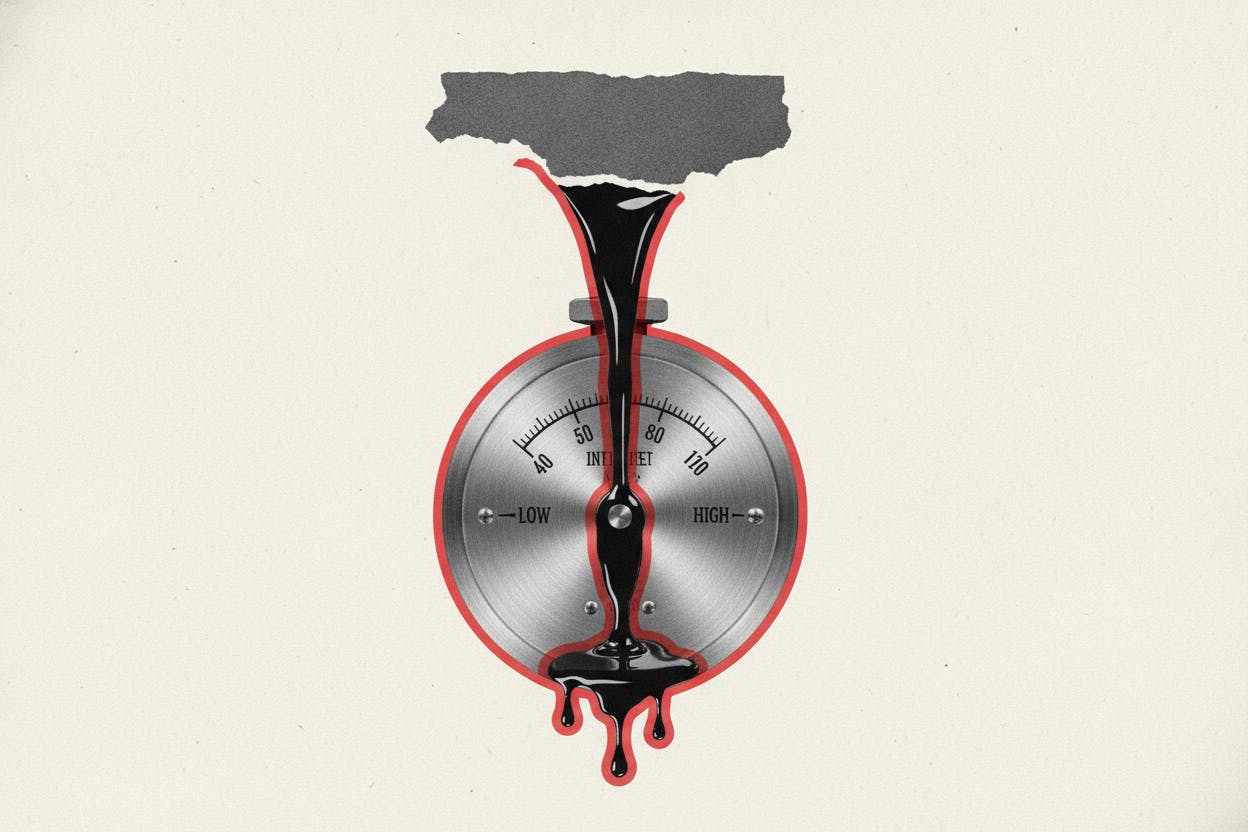
Oil prices are back in the spotlight, with Brent crude climbing to about $97.60 a barrel — near seven-week highs. The move comes as traders juggle fresh Middle East tensions, a key US inflation report due later this week, and an expected European Central Bank (ECB) rate decision on Thursday.
The latest leg higher follows an almost 8% jump in oil prices last week, a sharp move that has reignited concerns about inflation and what it means for central bank policy.
Why oil is rising
Geopolitics is a major driver. The Middle East remains a flashpoint, and any disruption to supply from the region — which accounts for a large share of global oil output — tends to push prices up. Traders are also factoring in the possibility of tighter sanctions or supply disruptions that could remove barrels from the market.
But it's not just geopolitics. The oil market has been tightening for months, with production cuts from major exporters and steady demand keeping inventories low. That backdrop makes prices more sensitive to any news that could tip the balance.
One notable development is the surge in diesel prices. Reuters reported that diesel prices have hit record highs and remain roughly 90% above pre-war levels. That matters because diesel sits closer to the real economy than crude: it powers trucks, ships, farm equipment, and many factories. So higher diesel costs tend to filter into the price of delivered goods and food more quickly than changes in crude alone.
Central banks in focus
For investors, the big question is how central banks respond. Higher oil prices feed into inflation, which is why the upcoming US inflation report is so closely watched. If inflation comes in hot, the Federal Reserve may feel pressure to keep interest rates higher for longer — or even hike again.
That's a shift from earlier in the year, when markets were pricing in rate cuts. Now, as rate hike bets climb, the mood has turned more cautious.
Across the Atlantic, the ECB is widely expected to raise its key rate to 2.5% on Thursday. That would be another step in the fight against inflation, but it also raises borrowing costs for businesses and households in the eurozone.
The combination of high energy prices and tighter monetary policy is a familiar one for markets. It tends to weigh on growth expectations, which is why stock markets have been volatile.
What it means for investors
For everyday investors, the key takeaway is that oil prices are a double-edged sword. On one hand, higher energy costs can boost the profits of oil and gas companies. On the other, they squeeze consumers and raise costs for almost every business that relies on transportation or energy.
If oil stays elevated, it could keep inflation sticky, which would likely mean interest rates stay higher for longer. That's a headwind for stocks, especially growth-oriented sectors that are sensitive to borrowing costs. It also tends to support the US dollar, as higher yields attract foreign capital.
For those with diversified portfolios, the message is to stay the course. Energy price spikes can be sharp but also short-lived, and central banks are watching closely. The upcoming inflation data and the ECB decision will give a clearer picture of where policy is headed.
In the meantime, keep an eye on diesel prices — they're a real-world indicator of how energy costs are feeding through to the economy. And remember that currency moves and stock market reactions are all part of the same story.
As always, it's not about predicting the next move, but understanding the forces at play. Oil is one of them — and right now, it's a big one.