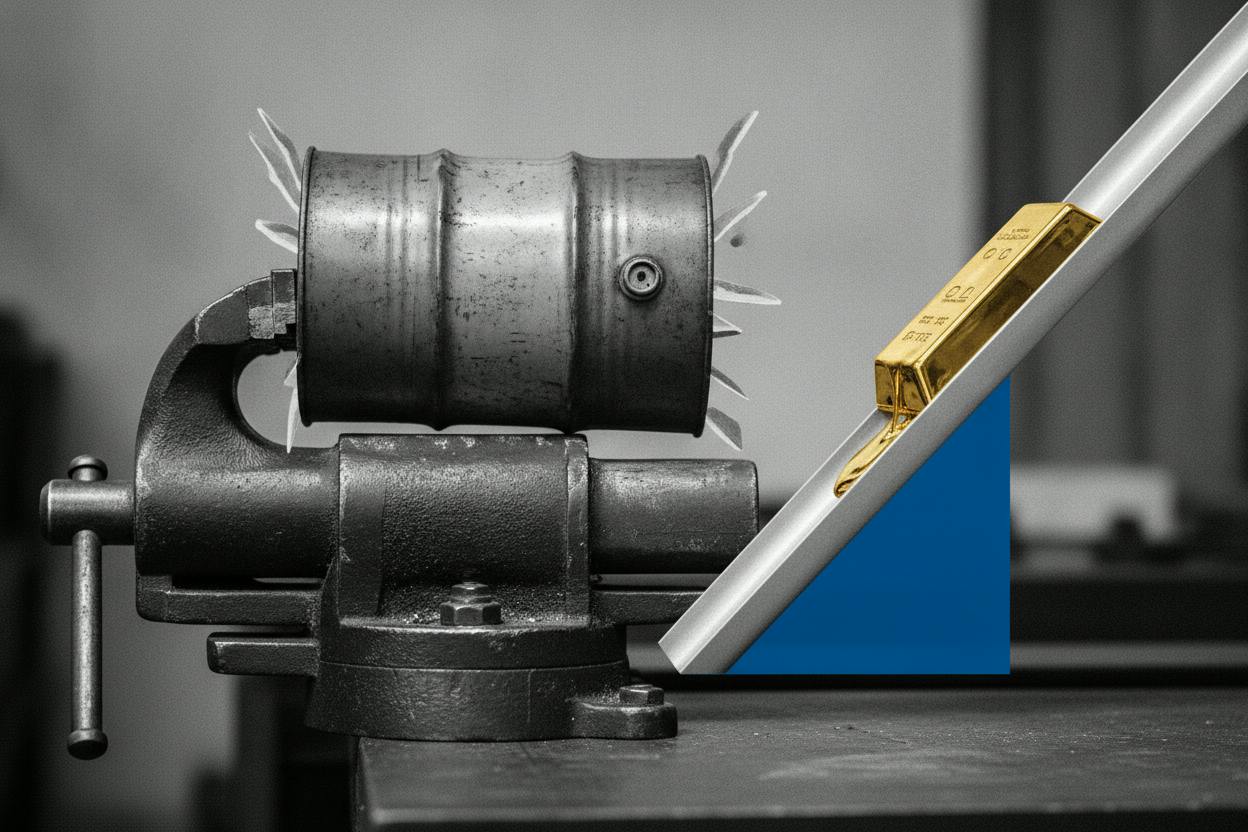
Oil prices climbed on Wednesday after Iran said its enriched uranium would not leave the country, while gold slipped as a hotter-than-expected October inflation report pushed traders to rethink the path of interest-rate cuts. The moves show how different commodities can react to different drivers in the same session.
West Texas Intermediate (WTI) crude rose 1.6% to $87.44 a barrel, and Brent, the global benchmark, gained 1.7% to $93.01. The trigger was a comment from Iran that its enriched uranium would stay home, reviving fears of tighter supply or tougher sanctions on one of the world's major oil producers.
Gold, meanwhile, moved in the opposite direction. The day's other big input was US inflation. October's consumer price index (CPI) rose 0.4% month-on-month, a hotter reading than analysts had expected. That led investors to believe the Federal Reserve would keep interest rates higher for longer, a stance that tends to lift Treasury yields and strengthen the dollar.
Why gold and oil are heading different ways
Gold doesn't pay interest, so when the returns on cash and bonds rise, the opportunity cost of holding bullion increases. Higher expected policy rates often push up US Treasury yields, which can strengthen the dollar. Since gold is priced in dollars, a stronger dollar makes it more expensive for buyers using other currencies, adding further pressure.
Oil, on the other hand, is more sensitive to perceived supply disruptions. Iran's comment about uranium raised the specter of renewed tensions in the Middle East, a region that accounts for a large share of global oil output. Even if no immediate supply change occurs, the market often prices in a geopolitical risk premium when such headlines emerge.
This split is a reminder that 'commodities' is not a single trade. Energy and precious metals can be driven by very different forces, and on days like this, the macro backdrop often matters more than the news cycle for gold, while oil reacts more to supply headlines.
What the hot CPI means for rate expectations
The October CPI report was the key macro event of the day. A 0.4% monthly rise in prices was above the consensus forecast, suggesting inflation is not cooling as quickly as hoped. That has led traders to push back expectations for when the Fed might start cutting rates.
As a hotter CPI keeps a December rate hike on the table, the market is now pricing in a higher probability of another increase before year-end. This shift in rate expectations is exactly what pressured gold, as higher rates make non-yielding assets less attractive.
The reaction in Treasury markets was immediate. The 2-year yield, which is sensitive to Fed policy expectations, rose to 4.74% after the data, as hot October CPI shifted Fed rate bets. That move in yields is a direct headwind for gold.
What it means for investors
For everyday investors, days like this illustrate why diversification matters. Holding a mix of assets—stocks, bonds, commodities, and cash—can help smooth out the bumps when different markets react to the same news in opposite ways.
If you own gold or gold funds, be prepared for more volatility if inflation stays hot and the Fed remains hawkish. The metal's price is likely to track interest rate expectations and the dollar more than geopolitical headlines in the near term.
For energy investors, the oil price rise highlights the ongoing geopolitical risk premium. But it's worth remembering that oil prices can swing sharply on headlines, and supply disruptions don't always materialize. A single comment from a government official can move the market, but the underlying supply-demand balance is what matters over the longer run.
The broader market is also watching how the Fed responds. As hotter US inflation revives Fed hike bets, emerging markets and other risk assets could feel pressure if the dollar strengthens further. Meanwhile, Asian stocks rallied on tech momentum in a separate session, showing that equity markets can sometimes shrug off rate worries.
In the end, the takeaway is that no single headline tells the whole story. Oil and gold are both commodities, but they answer to different masters. Keeping an eye on both inflation data and geopolitical developments can help you understand why your portfolio's pieces are moving the way they are.