A hotter-than-expected October US inflation report jolted markets on Wednesday, forcing investors to rethink how aggressively the Federal Reserve might need to tighten monetary policy. The Consumer Price Index rose 0.4% for the month, above the 0.3% consensus forecast, while core CPI — which excludes volatile food and energy prices — climbed 0.3% instead of the 0.2% economists had expected.
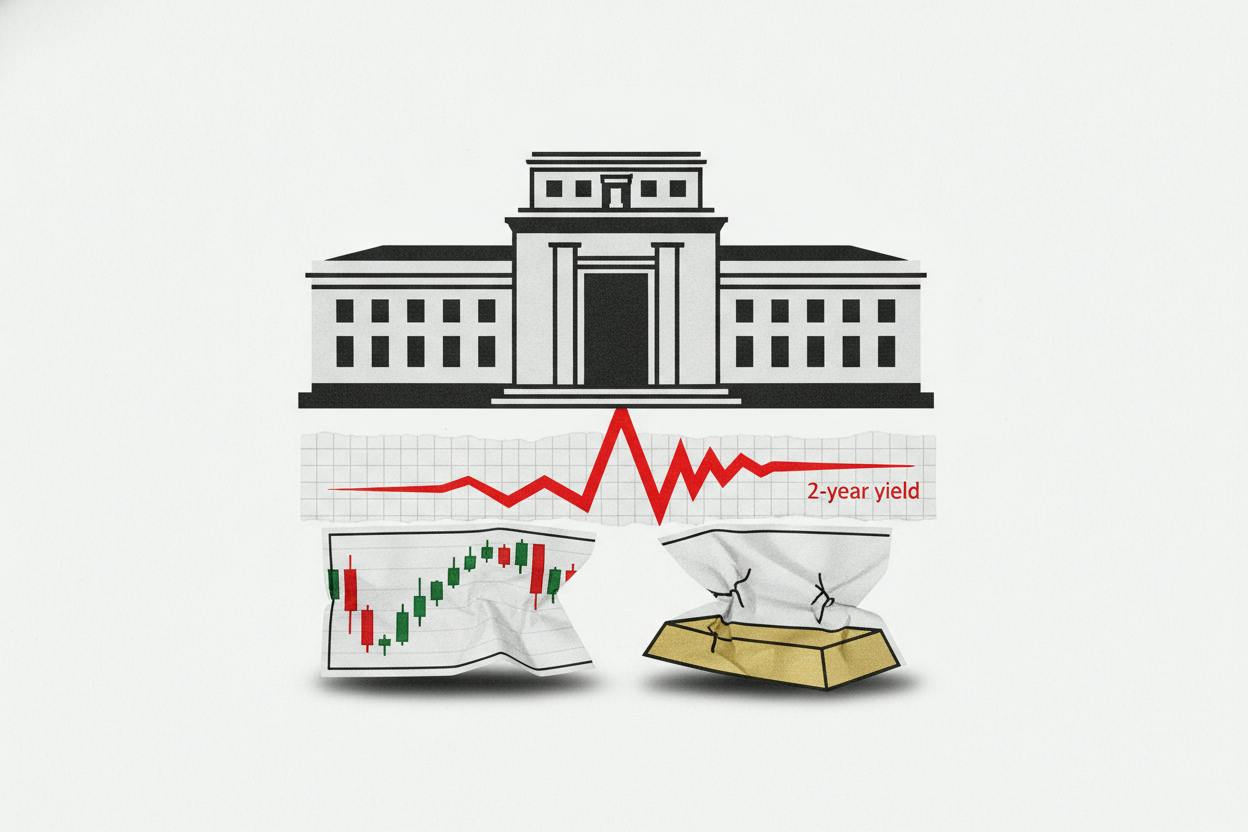
The surprise rippled instantly through bond markets. The 2-year Treasury yield, which is especially sensitive to near-term Fed policy expectations, jumped roughly 20 basis points to 4.74%. US stocks fell and gold slid as the dollar strengthened, a combination that reflects investors rapidly repricing the path of interest rates.
Why the 2-year yield matters so much
The 2-year Treasury yield is often treated as a shorthand for where investors think the Fed's policy rate will average over the next couple of years. When it moves sharply, it signals that the market's view of the Fed's next steps has changed. In this case, traders put more weight on the possibility of a larger-than-usual half-percentage-point rate increase at the Fed's next meeting. The Fed more commonly moves rates in quarter-point increments, so the shift in odds is significant.
Core inflation is the key variable here. Food and energy prices can swing wildly from month to month, so policymakers focus on the core reading to gauge underlying price pressure. A core print that runs above expectations suggests inflation is proving stickier than hoped, which can keep the Fed leaning toward higher rates — or at least holding them at elevated levels for longer.
The report also lifted the US dollar, which strengthened as rate expectations rose. Higher US rates tend to attract foreign capital seeking better returns, boosting demand for the currency. That stronger dollar, combined with higher inflation-adjusted yields, weighed on gold even though the headline story was about rising inflation. Gold pays no interest, so when bonds offer more attractive real yields, the metal becomes less appealing to hold.
What it means for investors
For everyday investors, the immediate takeaway is that the same rates-and-dollar move can pressure two very different parts of a portfolio at once. Higher yields raise the discount rate that investors use to value future corporate profits. That tends to hit growth-heavy, long-duration stocks — particularly in the technology sector — because so much of their expected earnings lie far in the future. At the same time, a stronger dollar and higher real yields can drag on gold, which many investors hold as an inflation hedge.
This dynamic helps explain why a hot inflation print doesn't simply say "prices are rising." It tells markets that financial conditions may need to stay tight for longer, which affects everything from mortgage rates to corporate borrowing costs. For savers, higher short-term yields can mean better returns on cash and short-dated bonds. For borrowers, it can mean more expensive loans. For stock investors, it often means a tougher environment for richly valued companies whose profits are expected years down the road.
The move also has global echoes. A stronger dollar can pressure emerging-market currencies and commodities priced in dollars, while higher US yields can pull capital toward US assets. Markets outside the US often feel the ripple, from the Canadian dollar to eurozone bond yields and gold miners on the TSX.
What to watch next
Investors will now focus on the next round of inflation and labor-market data, along with any signals from Fed officials about the size of the next rate move. If core inflation continues to surprise to the upside, expectations for a larger hike could firm up further, keeping pressure on long-duration stocks and gold. If upcoming data cool, those bets could unwind quickly. For now, the market's message is clear: the inflation fight isn't over, and rate-sensitive assets are likely to stay jumpy.