Oil prices moved higher this week as markets juggled two classic supply worries: the threat of storm-related disruption to US production and shipping, and renewed geopolitical tension around the Red Sea. At the same time, Senegal is trying to give investors a clearer picture of its debt troubles by setting a December deadline for a preliminary agreement with its official lenders and bondholders.
What's driving oil prices
Crude futures often react to the possibility of disruption even when actual supply hasn't changed yet. This week, traders are watching weather systems that could interrupt output or shipping from key US producing regions, a familiar risk during storm season. On top of that, fresh incidents around the Red Sea have revived concerns about the safety of a vital shipping lane. Even if barrels keep flowing, the market tends to price in the chance that something breaks.
For everyday investors, higher oil prices cut both ways. They can lift revenues for energy producers and exporting countries, but they also raise costs for importers. In many African economies that rely on foreign oil, a jump in crude can feed directly into inflation, pressure currencies, and strain government budgets. That's why oil moves are often a leading indicator for how emerging-market assets trade.
Senegal's debt puzzle
Senegal is trying to replace uncertainty with a timeline. The government says it wants an "agreement in principle" with official lenders and bondholders by December, after analysts estimated that about $13 billion of previously misreported debt had come to light. That's a significant sum for a country of Senegal's size, and it has shaken investor confidence in the reliability of its official numbers.
An agreement in principle is not the same as a completed restructuring. It's more like a framework that sets the broad terms and the process that investors will use to value the country's bonds. It can outline how much of a haircut bondholders might face, how long payments could be delayed, and whether official lenders back the plan. Once that outline exists, the market can start pricing the outcome with more precision.
What it means for investors
For holders of Senegal's Eurobonds, the December deadline could be a turning point. Right now, those bonds trade with a hefty risk premium because investors are compensating for "anything could happen" uncertainty. A credible agreement in principle often shrinks that premium, because it gives investors a clearer sense of likely losses and a timeline.
But the reaction won't be automatic. Markets will scrutinize the details: how big the haircut is, how long the payment stretch-out runs, and whether official lenders are on board. If the framework looks workable, it could also influence how investors price other frontier-market restructurings, by setting a fresh reference point for what a deal can look like.
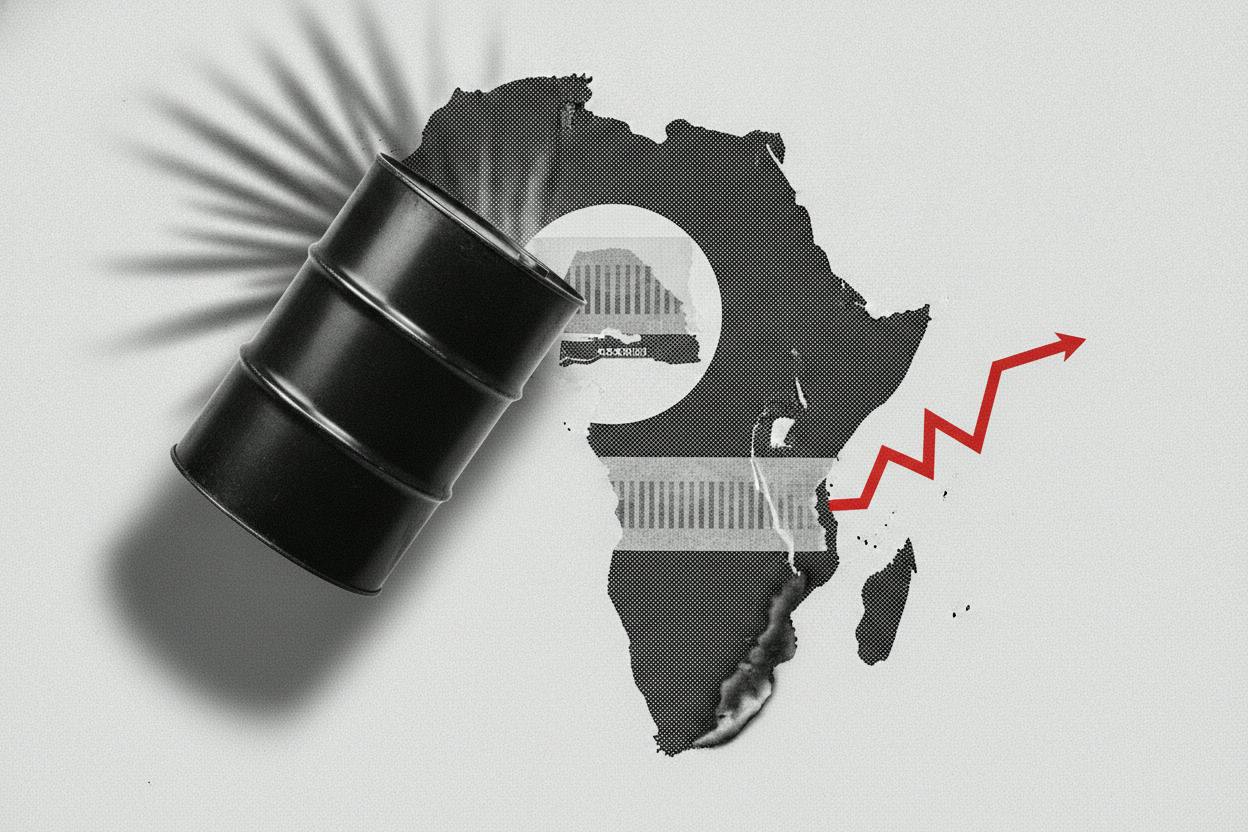
For the broader African market, the oil price move and Senegal's debt saga are reminders that global forces and local fundamentals are intertwined. A spike in crude can boost exporters like Nigeria or Angola, but it can hurt importers like Senegal or Kenya. And a messy debt situation in one country can spill over into sentiment for the whole region, even if the economic links are weak.
Investors will be watching two things in the coming weeks: whether oil prices stay elevated on storm and Red Sea risks, and whether Senegal can hit its December target. Both will help determine how African assets trade into the end of the year.