Oil prices climbed to a three-week high on [day], with Brent crude reaching $93.81 a barrel and the US benchmark West Texas Intermediate (WTI) hitting $88.16. The rally comes as the ongoing conflict involving Iran keeps the market's attention fixed on the Strait of Hormuz, the narrow waterway that carries a significant share of the world's crude.
For everyday investors, the move is a reminder of how geopolitical events can ripple through energy prices and, by extension, the broader economy. Higher oil prices can translate into costlier gasoline and heating bills, and they can also feed into inflation, which influences interest rates and stock market performance.
Why the Strait of Hormuz matters
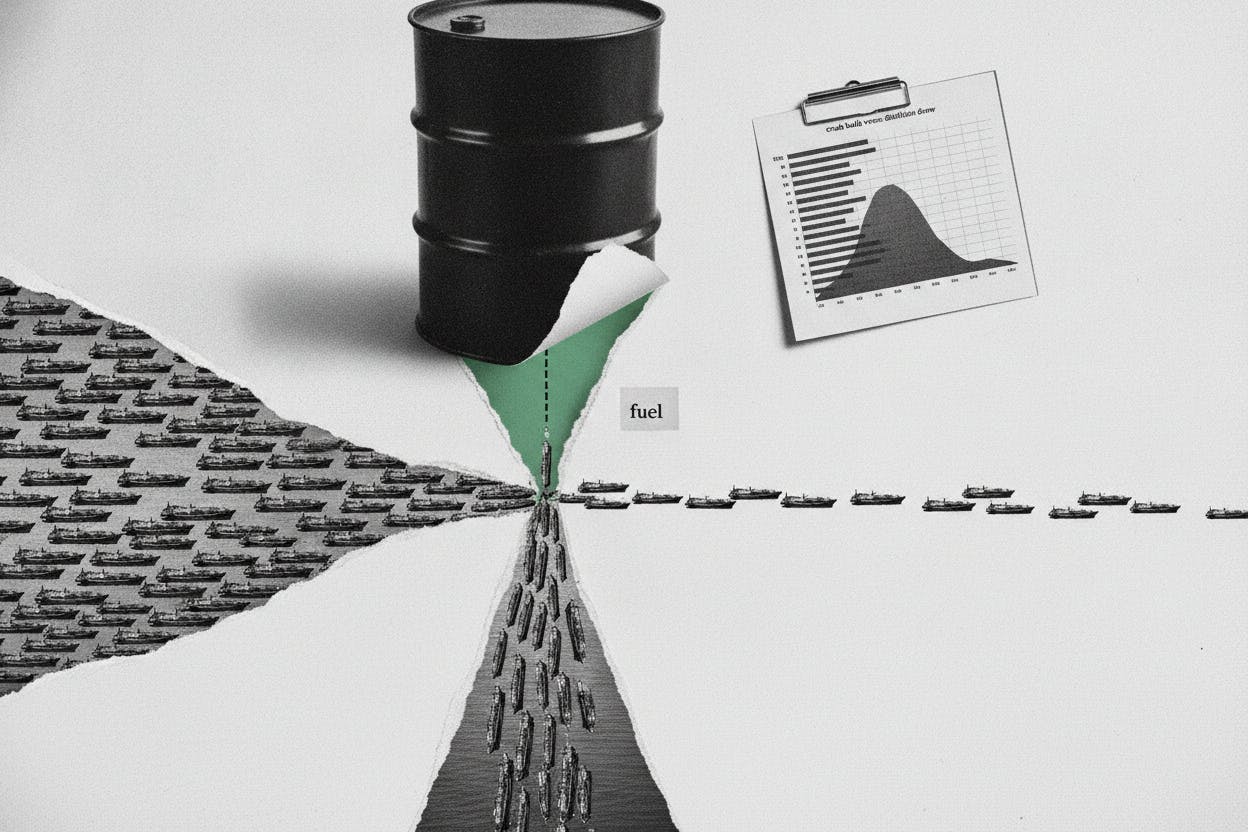
The Strait of Hormuz, located between Iran and Oman, is one of the most critical chokepoints for global oil shipments. Before the recent conflict, roughly one-fifth of the world's oil consumption moved through this passage. That means any disruption—whether from military action, sabotage, or simply the threat of it—can quickly tighten supply and push prices higher.
Even though daily shipping counts have looked steady recently, current flows are reportedly still below pre-war levels. This gap between what traders see and what they expect is fueling the price rise. The market is not just reacting to today's barrels; it's pricing in the risk that the standoff could drag on and keep fewer barrels flowing to the rest of the world.
This week's rally is a direct reflection of that fear. Traders are worried that if the conflict escalates or persists, the Middle East could send less crude to global markets, forcing buyers to compete for what's available.
What this means for investors
For investors, the immediate takeaway is that energy prices are likely to stay volatile as long as the situation in the Middle East remains unresolved. Oil companies often benefit from higher prices, so energy stocks may see gains. However, the broader market can suffer because higher energy costs squeeze consumer spending and corporate profit margins.
Inflation is another key factor. Central banks, including the US Federal Reserve, watch energy prices closely because they feed into overall price levels. If oil keeps climbing, it could complicate efforts to bring inflation down, potentially delaying interest rate cuts or even prompting further hikes. That would affect borrowing costs for mortgages, car loans, and business investments.
For those with diversified portfolios, the advice is usually to stay the course rather than make sudden moves based on short-term price swings. But it's worth keeping an eye on energy prices as a barometer for broader economic health.
Broader market context
The oil rally comes amid a mixed backdrop for global markets. In the US, stock futures were mixed as Treasury yields climbed and investors awaited Walmart's earnings, a key indicator of consumer spending. Meanwhile, in Asia, the ASX 200 edged up as oil stayed high and unemployment ticked higher, showing how energy prices can influence regional markets.
Emerging market stocks have also felt the pinch, sliding as oil climbs on stalled Middle East talks. Higher energy costs can be particularly tough for developing economies that rely on oil imports.
Investors are also watching how the US might respond. Reports suggest Washington is weighing alternative routes around the Strait of Hormuz, which could ease some supply concerns if implemented. However, such measures take time and may not fully offset the risk of a prolonged disruption.
What to watch next
The key variable is the trajectory of the Iran conflict. Any signs of de-escalation could quickly pull oil prices back down, while further escalation could push them higher. Traders will also monitor weekly inventory data and shipping traffic through Hormuz for clues about actual supply levels.
For now, the market is in a wait-and-see mode, with the Strait of Hormuz firmly in the spotlight. As one analyst put it, "The market is pricing in a risk premium that could evaporate as quickly as it appeared if diplomacy gains traction."
For everyday investors, the best approach is to stay informed and avoid reacting to every price swing. Oil's rise is a reminder that global events can have a direct impact on your wallet, but a well-diversified portfolio is designed to weather such storms.