Oil prices held steady near $92 a barrel on Wednesday, as traders digested the latest Federal Reserve meeting minutes and reports that the US is exploring ways to reroute Gulf oil around the Strait of Hormuz. Brent crude, the international benchmark, traded just under $92, reflecting a market that remains on edge over potential supply disruptions.
The move comes after President Donald Trump promised a “most crushing economic operation” against Iran, signaling a tougher US stance that goes beyond routine sanctions. For investors, the key question is whether this rhetoric translates into actual shipping disruptions that could push prices higher.
Why the Strait of Hormuz matters
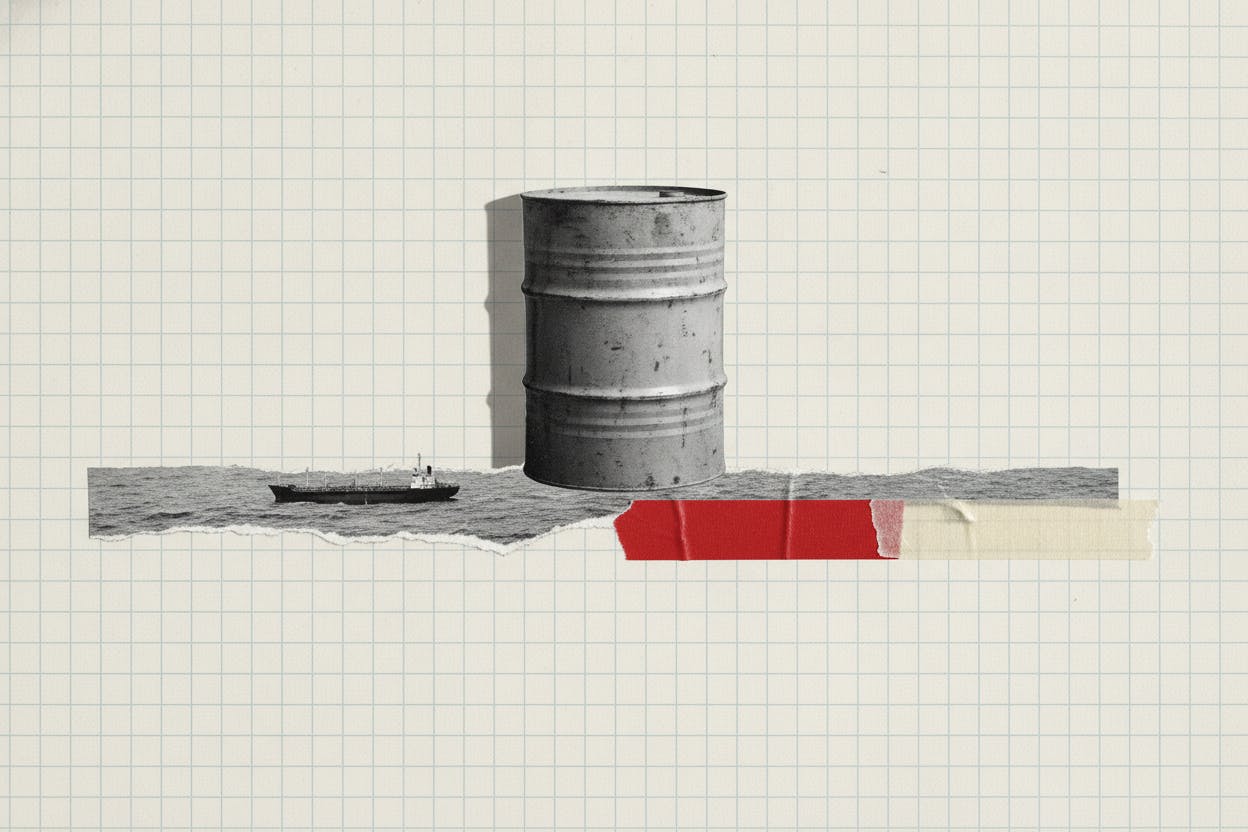
The Strait of Hormuz is a narrow waterway between the Persian Gulf and the Gulf of Oman. Roughly one-fifth of the world's oil passes through it, making it one of the most critical chokepoints for global energy supplies. Any threat to shipping there can quickly ripple through oil prices, as traders price in the risk of supply shortages.
According to a report from Axios, the US is preparing an operation to move oil via a southern route along Oman's coast. This suggests policymakers are actively thinking about how to keep tankers moving if conditions in the strait worsen. While no immediate disruption has occurred, the very fact that alternative routes are being considered is a signal that the risk is being taken seriously.
Commerzbank Research noted that there are no signs of renewed US-Iran talks, which removes a potential safety valve for the market. Without diplomatic progress, the standoff could persist, keeping a floor under prices.
Fed minutes add to the mix
Adding to the market's focus, the Federal Reserve released minutes from its latest policy meeting. The minutes showed that officials remain cautious about inflation, with some members expressing a desire to see more progress before cutting interest rates. For oil traders, the Fed's stance matters because higher interest rates can strengthen the dollar, making oil more expensive for buyers using other currencies, and can also dampen economic activity and fuel demand.
The combination of geopolitical tension and monetary policy uncertainty is a familiar one for markets. In recent weeks, oil has been supported by supply concerns, while broader risk sentiment has been influenced by expectations for central bank moves. The Fed's steady approach has kept investors guessing about the timing of any easing.
What it means for investors
For everyday investors, the key takeaway is that oil prices are being driven by two forces: geopolitical risk and macroeconomic policy. The situation with Iran is fluid, and any escalation could send prices higher quickly. At the same time, the Fed's path on interest rates will influence the dollar and global growth, which in turn affects demand for oil.
Energy stocks often move in tandem with oil prices, so a sustained rise in crude could benefit companies in the sector. Energy stocks have already responded to recent price strength. However, investors should be cautious about chasing momentum, as geopolitical events can reverse quickly.
For those with diversified portfolios, oil exposure can act as a hedge against inflation and geopolitical shocks, but it also carries volatility. As always, it's important to focus on long-term goals rather than reacting to daily headlines.
Looking ahead
Traders will be watching for any concrete developments in US-Iran relations, as well as signals from the Fed about future rate moves. The recent fade in Iran talks has kept the risk premium in oil prices, and any news of diplomatic progress could ease that premium. Conversely, any military or shipping incident could push prices above $92.
In the meantime, the market is also keeping an eye on global demand, particularly from major consumers like China. China's steady policy stance suggests it is prioritizing stability, which could support demand. But if growth slows, oil could face headwinds.
For now, the oil market remains in a holding pattern, with prices supported by geopolitical tension and the threat of supply disruption. Investors should stay informed and consider how oil price movements might affect their portfolios, whether through direct holdings or through the broader economy.