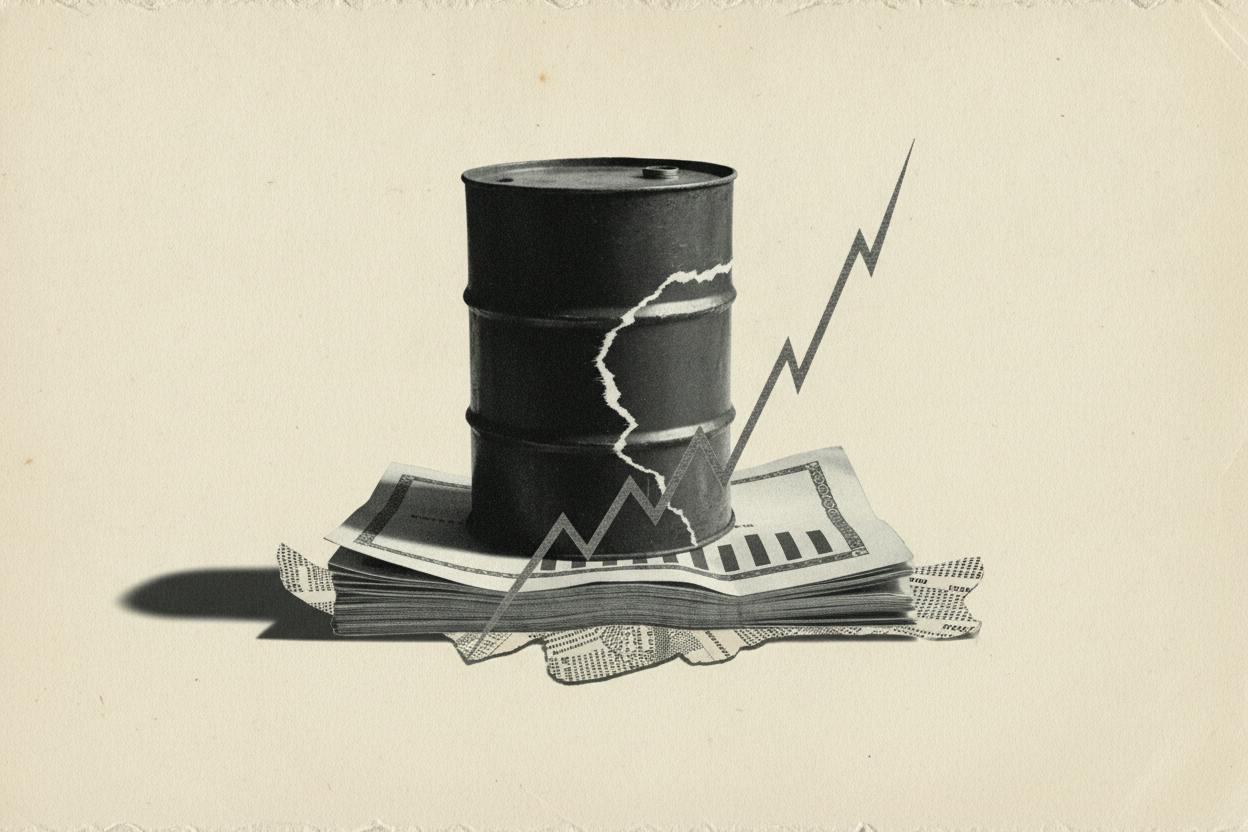
Global markets started Tuesday on a cautious note, with oil prices hovering near $110 a barrel and investors wrestling with a mix of geopolitical uncertainty and sticky inflation. In Asia, Treasury futures firmed, suggesting demand for safe-haven assets, while the euro and the British pound both edged higher against the dollar. Meanwhile, China's central bank kept its benchmark loan prime rates unchanged, a move that was widely expected but still drew attention from traders watching the world's second-largest economy.
Why oil near $110 matters
Oil at $110 is more than just a headline number. Energy prices feed into almost every corner of the economy, from the cost of gasoline and heating to the price of goods that rely on shipping and manufacturing. When crude stays elevated, it can keep consumer price inflation higher for longer, and it can also squeeze economic growth by eating into household budgets and corporate margins.
That combination is particularly uncomfortable for central banks. They are already trying to bring inflation down, but if energy costs keep pushing prices up, they may need to keep interest rates higher for longer. That can slow borrowing and spending, which in turn weighs on corporate profits and stock valuations. For everyday investors, this means the path for both bonds and equities is likely to stay bumpy as long as oil remains near these levels.
Treasury futures firm as investors seek safety
The firming of Treasury futures in Asia is a classic sign of risk-off sentiment. When investors worry about the economic outlook or geopolitical shocks, they often move money into government bonds, which are seen as a relatively safe place to park cash. That demand pushes bond prices up and yields down, and it can be a signal that markets are bracing for turbulence.
For investors, this is a reminder that diversification matters. A portfolio that includes bonds can help cushion the blow when stocks fall, even if bond yields are not particularly attractive right now. The fact that Treasury futures are firming suggests that many investors are already positioning for a more cautious environment.
Euro and sterling gain ground
The euro and the British pound both strengthened against the dollar in early trading. Currency moves can be driven by a range of factors, including interest rate expectations, economic data, and shifts in risk appetite. A stronger euro or pound can be a sign that investors are feeling more confident about those economies, or it can simply reflect a weaker dollar.
For investors with international exposure, currency swings can have a real impact on returns. If you hold foreign stocks or bonds, a stronger local currency can boost the value of your investments when converted back to dollars. Conversely, a weaker dollar can make US exports more competitive, which can help multinational companies. It is worth keeping an eye on these moves, especially when they happen alongside big shifts in oil prices.
China holds loan rates steady
China's decision to keep its loan prime rates unchanged was in line with expectations, but it still carries significance. The loan prime rate is the benchmark for many loans in China, and holding it steady suggests the central bank is comfortable with current borrowing costs. This comes as China's economy shows some signs of improvement, though growth remains uneven.
As we noted in our coverage of China's rate decision, this marks the 17th consecutive month that the rates have been left unchanged. The move is part of a broader picture of a central bank that is trying to support growth without adding to inflationary pressures. For global investors, China's policy choices matter because the country is a major driver of demand for commodities, including oil, and a key trading partner for many companies.
What it means for investors
For the average investor, the key takeaway is that markets are still navigating a tricky environment. Oil near $110 keeps the pressure on inflation, which in turn keeps central banks in a hawkish mood. That can lead to more volatility in both stocks and bonds.
It is also a reminder that geopolitical events can have a direct impact on your portfolio. When tensions rise in oil-producing regions or when major economies take unexpected policy steps, markets can react quickly. Staying diversified and keeping a long-term perspective are often the best defenses against short-term swings.
Investors will be watching several things in the coming days: whether oil prices can hold above $100, any new signals from the Federal Reserve or other central banks about interest rates, and how corporate earnings hold up in the face of higher input costs. As always, it is wise to avoid making hasty decisions based on a single day's market move.
Looking ahead
The combination of high oil prices, firming Treasury futures, and currency moves points to a market that is still trying to find its footing. While the euro and sterling gains are notable, they are unlikely to change the broader picture of global uncertainty.
For now, the message from markets is clear: caution is the watchword. Whether you are a seasoned investor or just starting out, understanding how these pieces fit together can help you make more informed decisions about your own money.