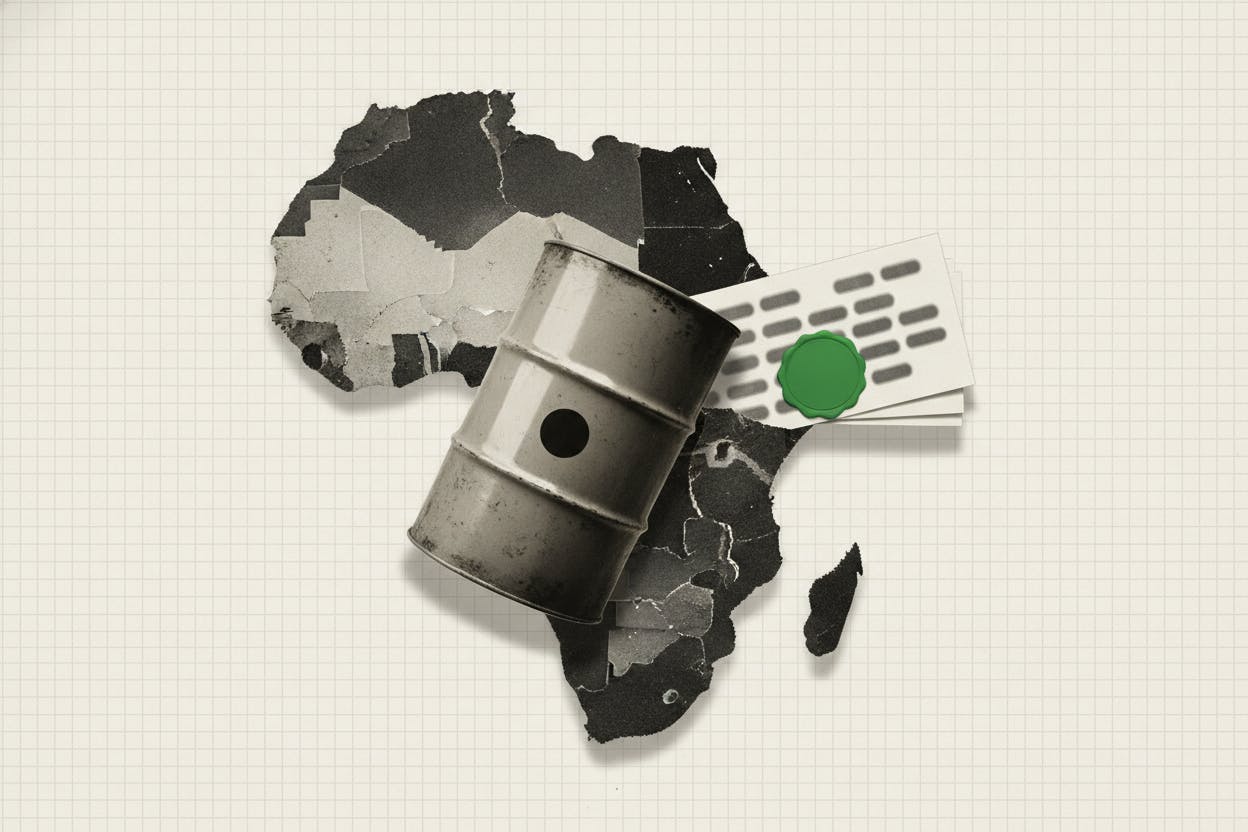
African markets are kicking off the week with two big drivers back in the frame: firmer oil prices and a burst of headline risk, from Zambia’s election count to Kenya’s plan to raise money in China’s bond market. For investors with exposure to the continent, the next few days could set the tone for sentiment across equities, currencies, and debt.
Oil prices firm up
Crude oil has been creeping higher, and that’s a double-edged sword for African economies. For net exporters like Nigeria and Angola, higher prices mean more revenue and a stronger fiscal position. But for importers—such as Kenya, Tanzania, and many others—firmer crude translates into higher fuel import bills, which can pressure currencies and push up inflation.
The move in oil is also rippling through global markets. As S&P 500 futures paused after a record close, partly due to oil’s influence, investors are watching whether energy costs will feed into broader inflation and central bank policy. For African markets, the link is even more direct: oil is often a major component of trade balances and government budgets.
Zambia’s election count
Zambia is in the middle of counting votes from its general election. The outcome will determine who leads the copper-rich nation for the next five years. Markets are watching closely because political stability is a key factor for investor confidence, especially in a country that has been working through a debt restructuring and is heavily reliant on copper exports.
Copper prices have been in focus recently, with copper prices pausing after a rally as supply tightens. Zambia is one of Africa’s largest copper producers, so the election result could influence mining policy, taxes, and the pace of investment in the sector. A smooth transition and a business-friendly government would likely be welcomed by investors, while any prolonged uncertainty could weigh on the kwacha and local assets.
Kenya’s panda bond plans
Meanwhile, Kenya is reportedly planning to issue a panda bond—a bond sold in China’s domestic market, denominated in yuan. This is part of a broader strategy to diversify funding sources and tap into Chinese capital. For Kenya, which has faced debt sustainability concerns, a successful panda bond could provide a new avenue for financing infrastructure and other projects.
Panda bonds are not new, but they remain relatively rare for African issuers. They offer access to a deep pool of liquidity, but they also come with currency risk: if the yuan strengthens against the shilling, the cost of servicing the debt rises. Investors will be watching the terms of any deal, including the interest rate and maturity, to gauge how attractive it is for both Kenya and its creditors.
What it means for investors
For everyday investors, the key takeaway is that African markets are being pulled in different directions. Firmer oil prices are a boon for exporters but a drag on importers. Election outcomes can shift policy and sentiment quickly. And new financing tools like panda bonds can open doors, but they also add complexity.
If you hold funds or stocks with exposure to Africa, it’s worth paying attention to these developments. Oil price moves can affect the earnings of energy companies and the inflation outlook in many countries. Political events can create volatility, but they can also present buying opportunities if the market overreacts. And bond issues, whether panda or otherwise, signal how governments are managing their finances—a key indicator of creditworthiness.
As always, diversification is your friend. African markets can be rewarding, but they are also prone to sharp swings. Keeping a broad portfolio and not betting too heavily on any single country or commodity is a sensible approach.
Looking ahead
This week, the focus will be on the final vote tallies in Zambia and any announcements from Nairobi about the panda bond. Oil prices will continue to be a wildcard, especially with global supply and demand dynamics in flux. For investors, staying informed and keeping a long-term perspective is the best strategy.
For more on how oil is affecting markets elsewhere, see our piece on palm oil futures holding steady as crude and China oils lend support. And for a look at how Chinese tech stocks are driving sentiment, check out Chinese tech stocks hitting record valuations.