Oil prices slid again on Tuesday as tankers continued to move through the Strait of Hormuz, easing fears of an immediate supply disruption in the Persian Gulf. West Texas Intermediate crude fell 2.9% to $71.06 a barrel, while Brent crude dropped 3% to $74.78, according to MT Newswires.
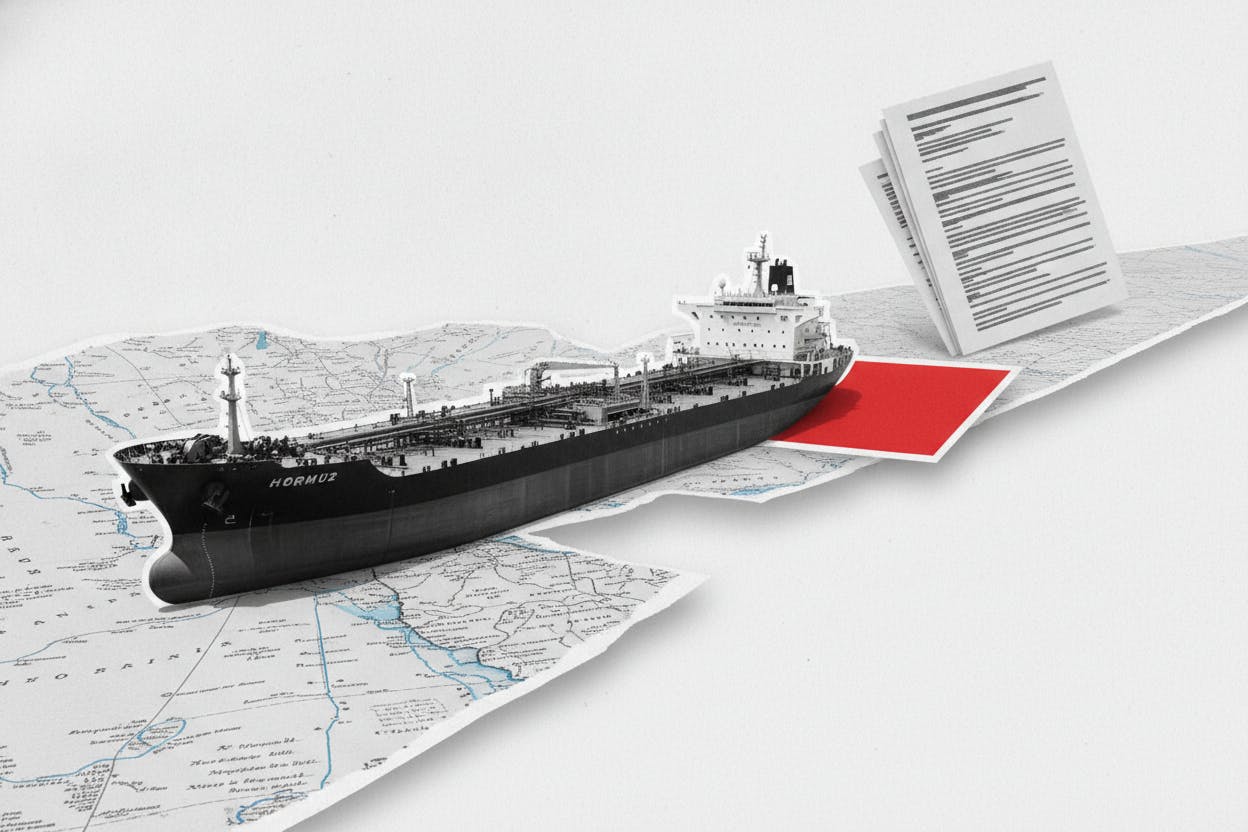
The steady flow of tankers through the narrow waterway—a critical chokepoint for global oil shipments—signaled to traders that the worst-case disruption scenario was not materializing, at least for now. Shipping groups also worked to move vessels that had been stuck in the Gulf, further supporting the view that supply lines were normalizing.
Why the Strait of Hormuz Matters
The Strait of Hormuz is a narrow passage between Iran and Oman that handles about a fifth of the world's oil consumption. Any disruption there can quickly send prices higher because of the sheer volume of crude that passes through daily. Recent tensions in the region had raised concerns about potential blockages or attacks, pushing oil prices up in previous sessions. This week's price drop reflects a reversal of those fears.
At the same time, the United States lifted sanctions on Iran, a major OPEC producer. That move could allow Iran to bring more barrels back to the global market, adding to supply at a time when traders are already watching for signs of oversupply. Saxo Bank noted that UAE exports have recovered to about 85% of pre-war levels, reinforcing the idea that sidelined supply is returning faster than expected.
US Inventory Data Adds to Pressure
US inventory data also contributed to the bearish sentiment. The American Petroleum Institute estimated a crude stockpile draw of just 0.77 million barrels last week, far smaller than the 8.33 million-barrel draw reported the week before. A smaller draw suggests that demand may be softening or that supply is more ample than previously thought. Official inventory figures from the Energy Information Administration are due later this week and could provide further direction.
When inventory draws shrink, it typically signals that the market is less tight, which can weigh on prices. For everyday investors, this is a key indicator to watch because it reflects the balance between supply and demand in the world's largest oil-consuming country.
What It Means for Investors
The sharp drop in oil prices shows how quickly a so-called "geopolitical risk premium" can unwind. That premium is the extra cost built into oil futures to account for the chance of a sudden supply disruption. When tensions ease, that premium evaporates, often hitting front-month contracts the hardest.
"WTI at $71.06 shows how quickly a 'risk premium' can unwind," the report noted. When flows through Hormuz look stable and Iranian supply is seen as returning, traders remove the extra price that reflects the risk of near-term shortages. That typically shows up in weaker near-term spreads and lower implied volatility in short-dated oil options, signaling less immediate tail risk rather than a big change in long-run demand.
For investors, this means that oil prices could remain volatile as geopolitical developments unfold. The recent price drop is a reminder that events in the Middle East can create sharp swings, but those swings can reverse just as quickly when the situation stabilizes. Investors with exposure to energy stocks or oil-linked assets should be prepared for continued uncertainty.
Related reading: Energy Stocks Surge After Iran Strikes Ship in Strait of Hormuz, Oil Jumps 2.9% and Brent Crude Drops to $72.66 as Strait of Hormuz Shipping Normalizes.
Looking ahead, traders will focus on the official EIA inventory data and any further developments in the Persian Gulf. If tanker traffic continues to flow smoothly and Iranian supply returns to market, oil prices could face additional downside pressure. However, any new disruption could quickly reverse the current trend.