Oil prices took a sharp dive on Friday, with Brent crude falling nearly 4% to settle at $96.78 a barrel, after reports emerged that China is pushing to restart stalled talks between the United States and Iran. The move signaled that traders are beginning to price in the possibility of a diplomatic off-ramp that could ease supply concerns. However, the decline came against a backdrop of persistent shipping disruptions near the Strait of Hormuz and the Red Sea, which kept crude on track for a roughly 10% gain for the week.
What's Behind the Price Move?
The catalyst for Friday's sell-off was news that China, a major buyer of Iranian oil and a key diplomatic player, is urging Washington and Tehran to resume negotiations. Any progress toward a deal could lead to the lifting of sanctions on Iranian crude exports, potentially adding hundreds of thousands of barrels per day to global markets. That prospect weighed on prices, as traders adjusted their expectations for tighter supply.
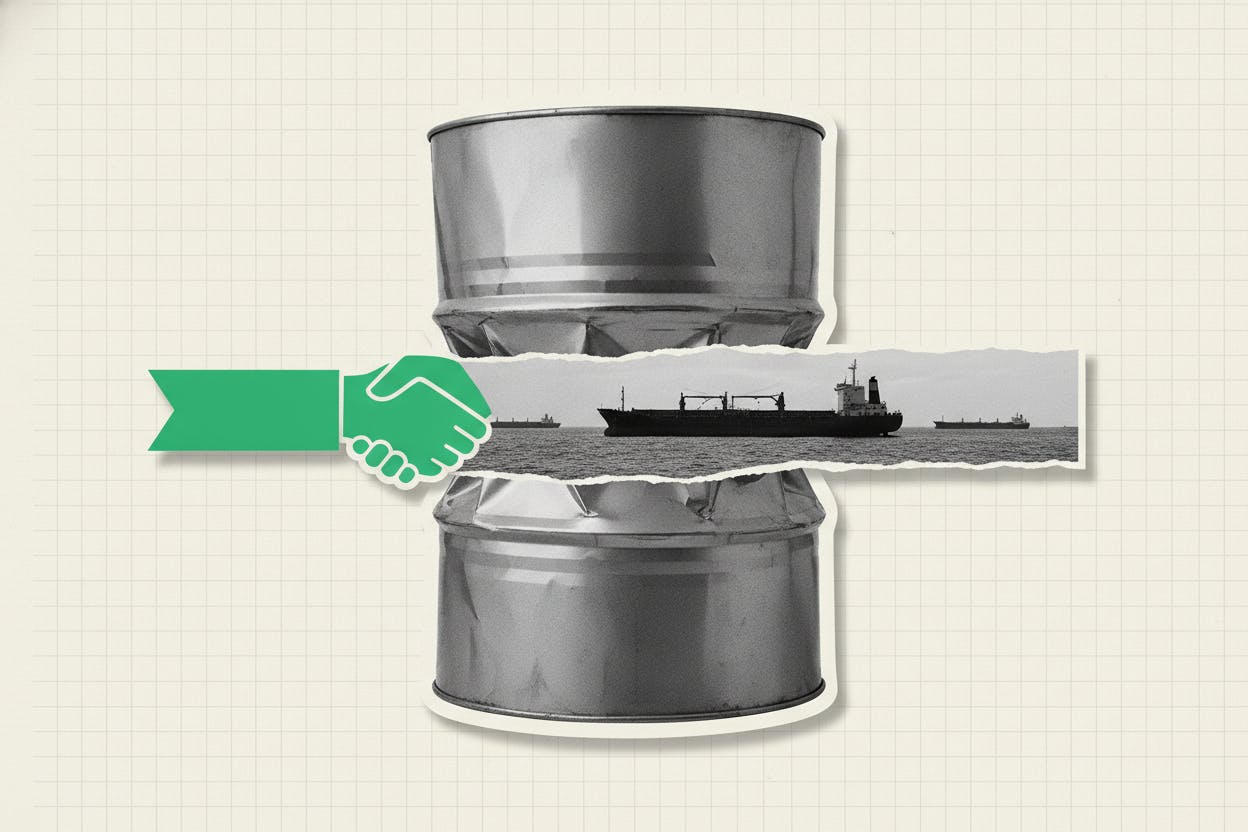
Yet the broader picture remains one of elevated risk. The Strait of Hormuz, a narrow waterway through which about 20% of the world's oil passes, has seen increased tensions in recent weeks. Similarly, the Red Sea, a critical route for tankers heading to Europe and beyond, has faced disruptions that have forced some shippers to reroute. These chokepoints have kept a floor under prices, even as diplomatic signals offered a temporary reprieve.
Context: A Volatile Week for Crude
The week's overall trajectory was sharply higher, driven by the same geopolitical risks that have kept markets on edge. Earlier in the week, Brent crude had surged past $100 a barrel, stoking inflation fears and reviving concerns about central bank rate hikes. The pullback on Friday trimmed some of those gains, but the weekly advance remained substantial.
For context, Brent crude has been oscillating in a wide range this year, with prices often reacting to headlines from the Middle East and shipping lanes. The current disruptions are reminiscent of earlier episodes, such as the 2019 attacks on Saudi oil facilities, which briefly sent prices spiking. However, the involvement of China as a mediator adds a new dimension, as Beijing seeks to balance its role as a major oil importer with its geopolitical interests.
What It Means for Investors
For everyday investors, the oil price swings have direct implications. Higher crude prices tend to lift energy stocks, as seen in recent sessions when SLB's strong earnings helped buoy the sector. But they also feed into broader inflation, which can prompt central banks to keep interest rates higher for longer. That dynamic was evident earlier in the week when Brent crude topped $102, reviving rate-hike fears.
The Friday decline, while sharp, does not necessarily signal a lasting trend. If US-Iran talks make genuine progress, prices could ease further, potentially benefiting sectors like airlines and consumer goods that are sensitive to fuel costs. Conversely, if disruptions escalate—especially near the Strait of Hormuz—prices could spike again, as seen in a recent 13% weekly gain driven by similar risks.
Investors should also watch for knock-on effects in currency markets. Countries that import a lot of oil, such as India, often see their currencies weaken when crude prices rise, as the Reserve Bank of India recently stepped in to support the rupee after Brent breached $100. A sustained drop in oil could relieve some of that pressure.
Looking Ahead
The key question now is whether the diplomatic channel will yield results. China's involvement adds a layer of complexity, as it has its own interests in securing affordable oil supplies. Any breakthrough could take weeks or months, leaving the market vulnerable to further volatility. In the meantime, the physical risks to shipping lanes remain, and traders will be watching for any new disruptions or statements from major producers.
For now, the oil market is caught between two forces: the hope of diplomacy and the reality of geopolitical tension. Friday's slide was a reminder that prices can move quickly on headlines, but the underlying supply risks have not disappeared. Investors should brace for more swings ahead.