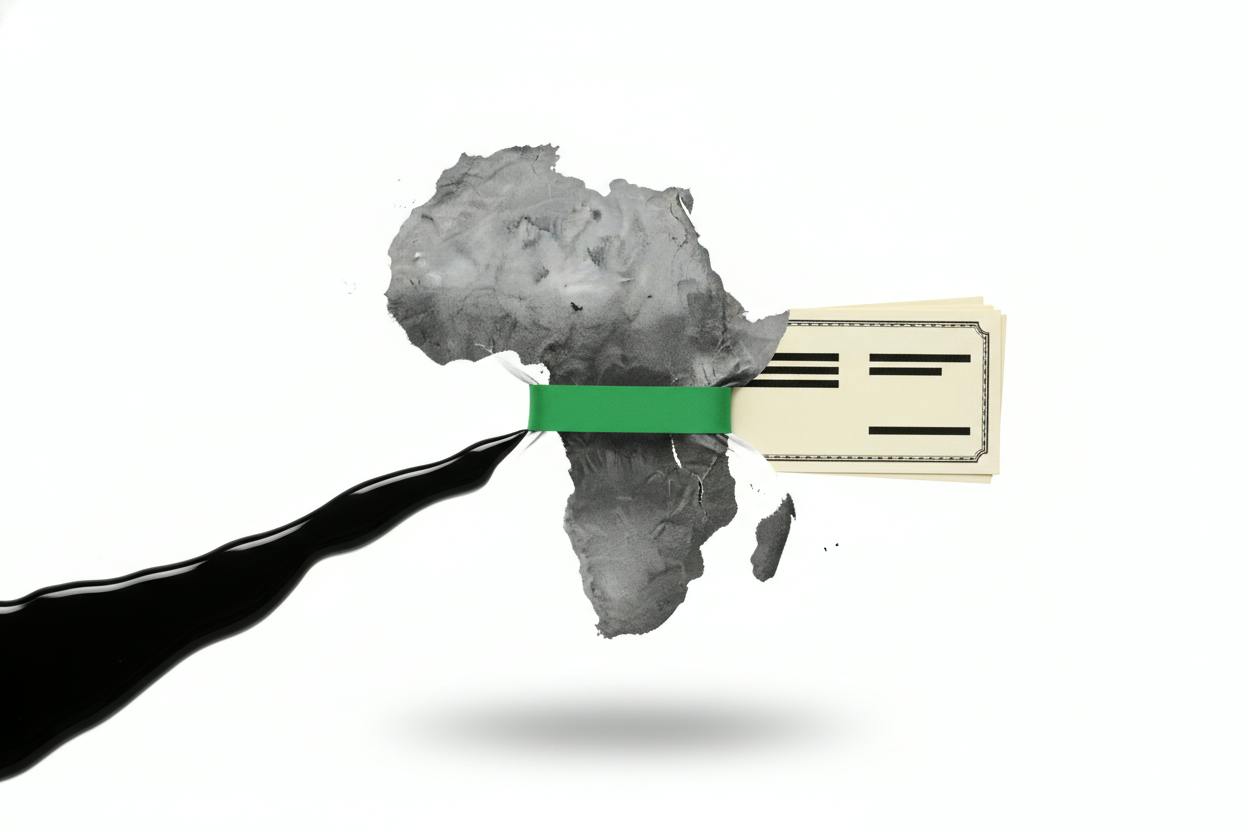
African markets headed into Thursday facing two outside pressures at once: oil rose on renewed Middle East supply worries, while global bond-market jitters helped lift the US dollar. The combination weighed on risk appetite from South Africa to Kenya, leaving investors to weigh the fallout for currencies, inflation, and local debt.
Why oil is climbing
Crude prices have been supported by concerns that tensions in the Middle East could disrupt supply. For many African economies that import most of their fuel, higher oil prices translate directly into costlier energy and transport, feeding inflation and pressuring household budgets. Countries like Kenya and South Africa, which rely heavily on imported crude, are especially sensitive to swings in the global oil market.
When oil prices rise, the import bill swells, which can widen trade deficits and put downward pressure on local currencies. That, in turn, makes imported goods more expensive and can force central banks to keep interest rates higher for longer to defend their currencies and contain inflation.
Bond-market strains and a stronger dollar
At the same time, global bond markets have been showing signs of strain. When investors get nervous about bonds, they often seek safety in US Treasuries, which pushes up US yields and strengthens the dollar. This week, that risk-off mood was compounded by reports that several big tech firms want to raise billions in new debt, adding more high-quality bonds for global portfolios to buy and potentially siphoning money away from riskier markets.
A stronger dollar is a double-edged sword for emerging and frontier markets. On one hand, it makes dollar-denominated debt more expensive to service for governments and companies that borrowed in dollars. On the other, it can trigger capital outflows as investors shift money to US assets, putting additional pressure on local currencies and bond markets.
For African markets, the combination of higher oil prices and a firmer dollar is a familiar but uncomfortable mix. It raises the cost of imports, complicates debt management, and can dampen foreign investment flows.
What it means for investors
For everyday investors, the key takeaway is that African markets are not isolated from global forces. Events in the Middle East and shifts in US bond markets can ripple across the continent, affecting everything from the price of petrol at the pump to the value of local currencies and the returns on local bonds.
Investors with exposure to African equities or bonds should watch how central banks respond. If inflation pressures build, policymakers may keep rates elevated, which can support currencies but also slow economic growth. Conversely, if oil prices retreat and bond markets calm, the pressure could ease quickly.
It's also worth noting that not all African markets are equally affected. Oil-exporting nations like Nigeria and Angola may benefit from higher crude prices, while importers like Kenya and South Africa face more headwinds. This divergence is a reminder that "Africa" is not a single market, but a collection of economies with different vulnerabilities and strengths.
For those looking at the broader picture, the current environment echoes past episodes when global risk-off sentiment hit emerging markets. Latin American markets have also slipped under similar pressures, showing that the dynamic is not unique to Africa. Meanwhile, oil above $100 and 24-year-high Treasury yields have rattled markets globally, underscoring how interconnected today's financial system has become.
On a more positive note, Moody's recently lifted its outlook for sub-Saharan Africa to positive, citing reforms in several countries. That suggests that while short-term pressures are real, longer-term fundamentals may be improving for some economies.
What to watch next
Investors will be watching several things in the coming days: the trajectory of oil prices, any further moves in US Treasury yields, and the dollar's strength. Central bank decisions in African countries will also be in focus, as policymakers balance inflation control with supporting growth.
For now, the message from the markets is clear: global forces are in the driver's seat, and African markets are along for the ride. The best investors can do is stay informed, diversify, and keep an eye on how these external pressures evolve.