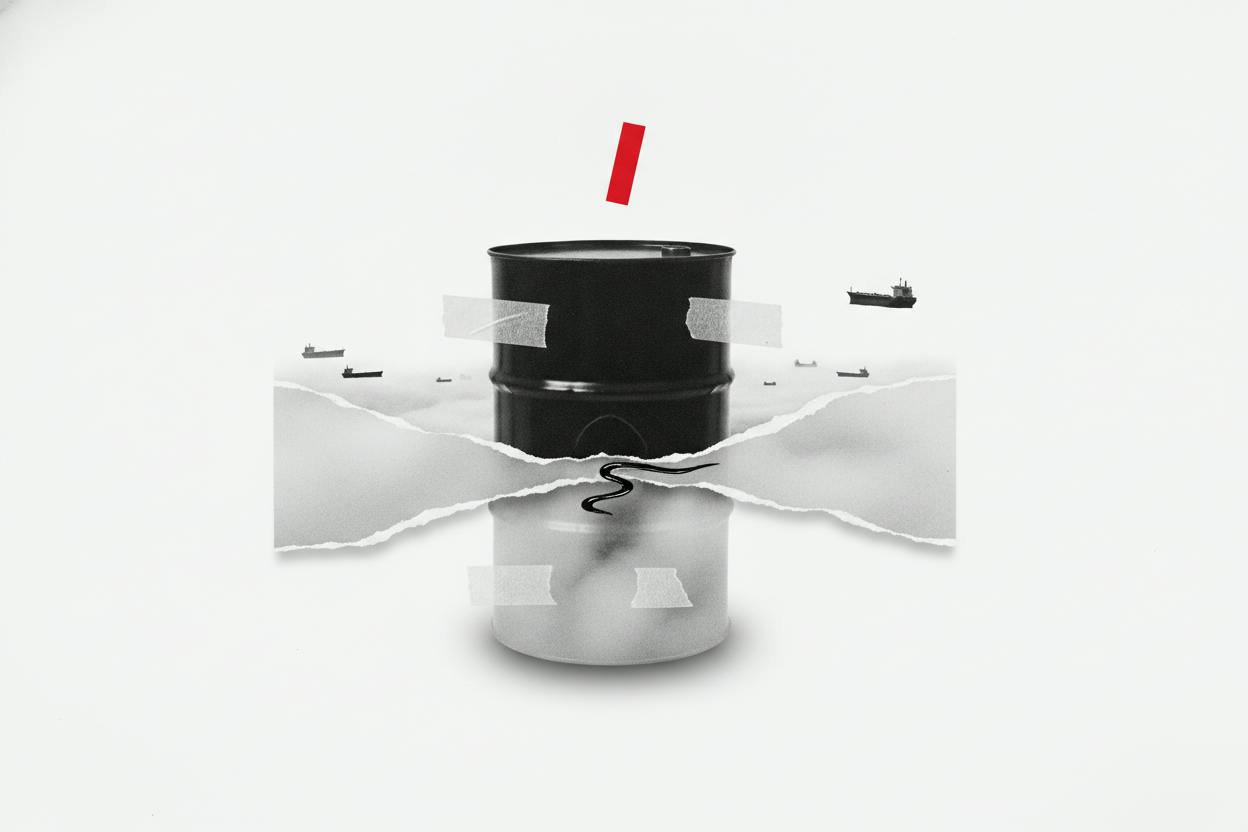
Oil prices slipped on Tuesday, with Brent crude falling about 2%, as traders wrestled with conflicting signals about the health of global supply. On one hand, data suggested Saudi Arabia's exports remain robust; on the other, shipping traffic through the Strait of Hormuz—the world's most important oil chokepoint—has been unusually thin.
The move is a reminder that geopolitical risk doesn't always translate into higher prices. Typically, when tensions flare in the Middle East, oil jumps because traders add a "risk premium" for the chance that supply gets disrupted. But this time, the initial spike quickly gave way to a more nuanced debate about what's actually happening on the water.
What the data shows
Two key data points are driving the discussion. Kpler, a firm that tracks tanker movements, put Saudi exports at just over 4 million barrels a day so far in September—a level that suggests the kingdom is still shipping at a healthy clip. Meanwhile, JPMorgan, a global investment bank, said satellite data implied roughly 2.9 million barrels a day moving through the Strait of Hormuz over the past six days.
That's a notable gap. The strait, which sits between Iran and Oman, handles about a fifth of the world's oil consumption. If tanker traffic there is truly down, it could signal that buyers are shying away or that logistics are being disrupted. But shipping trackers have also reported that some vessels are simply turning off their transponders, making it harder to get a clear picture.
"The market is trying to separate signal from noise," said one analyst. "You have one set of numbers saying Saudi is still exporting, and another suggesting the strait is quieter than usual. It's hard to know which to trust."
Why this matters for investors
For everyday investors, the takeaway is that oil prices are likely to stay volatile as long as the Middle East situation remains uncertain. When oil swings, it can ripple through the broader market—affecting energy stocks, airline shares, and even inflation expectations. Higher oil prices tend to push up costs for businesses and consumers, which can influence central bank decisions on interest rates.
That's why traders are watching the Federal Reserve's next moves so closely. If oil keeps climbing, it could complicate the Fed's fight against inflation. On the other hand, if prices fall, it might give policymakers more room to ease off on rate hikes.
The mixed signals also come at a time when the dollar is wavering as investors await key US jobs and housing data. A stronger dollar tends to weigh on oil prices, since oil is priced in dollars, making it more expensive for foreign buyers.
What to watch next
Investors will be looking for more concrete data on shipping volumes through Hormuz in the coming days. If the thin traffic turns out to be a blip, oil could give back its gains. But if it persists, the risk premium could return.
Also on the radar: any official statements from Saudi Arabia or other major producers about their export plans. The global market outlook remains clouded by these uncertainties, and oil is often the canary in the coal mine.
For now, the message is mixed. Oil is down, but the reasons are anything but clear. As one trader put it, "The market is guessing, and when the market is guessing, it's usually choppy."