Energy prices staged a sharp rebound this week, and the ripple effects are being felt across European bond markets. The move has reignited speculation that the European Central Bank (ECB) may not be done raising interest rates just yet.
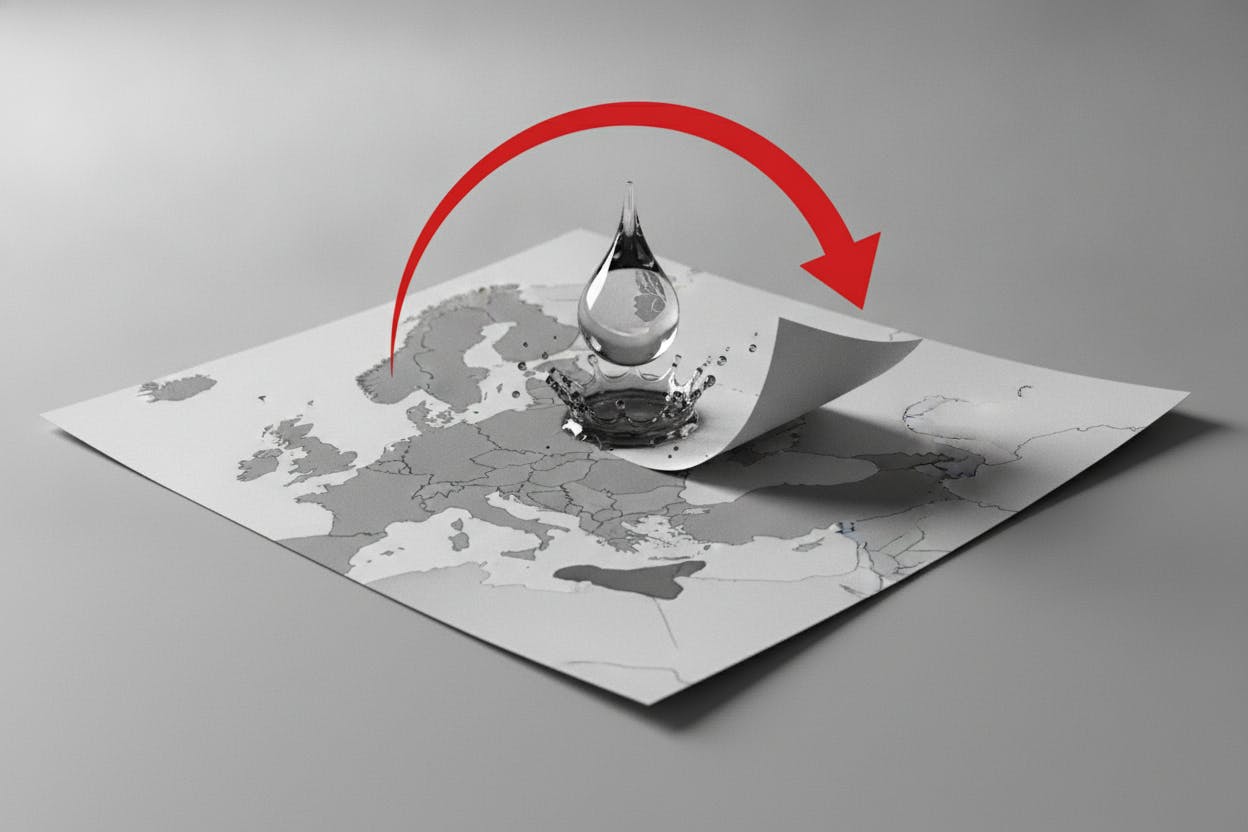
After sliding to a multi-month low, oil rose about 11% and briefly topped $85 a barrel. The catalyst? Rising tensions between the US and Iran in the Gulf, which stoked fears of potential disruptions to supply through the Strait of Hormuz, a critical chokepoint for global oil shipments.
For Europe, the timing is awkward. The region imports a large share of its energy, so higher oil prices can feed into consumer prices more quickly than in economies that are more energy-self-sufficient. That makes the oil bounce an inflation headache for the ECB, which has been trying to bring price growth back to its 2% target.
Bond Yields Climb as Rate Hike Bets Return
Eurozone government bond yields rose over the week as traders adjusted their expectations. Markets are now pricing in a rate hike at the ECB's September meeting, and assigning a 65% probability to another increase before the end of the year.
Bond yields move inversely to prices, so a rise in yields signals that investors are selling bonds. That typically happens when they anticipate higher interest rates, which make existing fixed-income securities less attractive. The yield on Germany's 10-year bund, a benchmark for the eurozone, climbed as the week progressed.
The shift marks a notable change in sentiment. Just a few weeks ago, many investors had assumed the ECB was close to the end of its tightening cycle, as inflation had been cooling and economic growth in the eurozone remained sluggish. But the oil price spike has complicated that picture.
Why Oil Matters for European Inflation
Oil is a key input for everything from transport to manufacturing, and higher crude prices eventually show up in the cost of goods and services. For Europe, which relies heavily on imported oil and gas, the pass-through to consumer prices can be relatively fast.
That matters because the ECB's primary mandate is price stability. If energy-driven inflation pressures persist, the central bank may feel compelled to keep raising rates—even if that risks further slowing the economy. Higher rates tend to cool demand by making borrowing more expensive for households and businesses, but they can also weigh on stock markets and corporate profits.
The situation is reminiscent of earlier this year, when a similar oil rally forced central banks to rethink their rate paths. For a broader look at how energy markets are affecting equities, see our coverage of Energy Stocks Climb Despite Oil and Gas Slip on Surprise Inventory Build.
What It Means for Everyday Investors
For ordinary investors, the key takeaway is that the path for interest rates remains uncertain. If the ECB does deliver another hike or two, it could push bond yields higher, making fixed-income investments more attractive relative to stocks. That could lead to a rotation out of growth-oriented equities and into value or defensive sectors.
Higher rates also tend to increase borrowing costs for companies, which can squeeze profit margins. Sectors that are sensitive to interest rates, such as real estate and utilities, may face headwinds. On the other hand, energy stocks could benefit directly from higher oil prices, as we saw this week with the rebound in crude.
Investors should also keep an eye on currency markets. A more hawkish ECB could support the euro, which would have implications for exporters and for anyone holding international assets. For more on how regional markets are reacting, check out our report on ASX 200 Drops as Miners Slump on Weaker Iron Ore and Copper; Energy Stocks Rise.
What to Watch Next
The oil market will remain a focal point. Any further escalation in Gulf tensions could push prices higher, adding to inflation pressures. Conversely, if diplomatic efforts succeed in de-escalating the situation, oil could retreat, easing some of the pressure on the ECB.
Investors will also be watching upcoming eurozone inflation data and ECB commentary for clues on the rate path. The central bank's September meeting is now a key event, and the 65% probability of a year-end hike suggests markets are taking the oil-driven inflation risk seriously.
For a broader perspective on how central banks are navigating the current environment, see our analysis of Japan Urges Households and GPIF to Invest More at Home as Rates Turn Positive.
In the meantime, the oil bounce has served as a reminder that inflation is not yet vanquished, and that central banks may need to stay vigilant. For investors, that means staying diversified and being prepared for continued volatility in both bond and equity markets.