Commodity markets took a fresh look at supply risks on Tuesday, with oil easing even as a hurricane forced BP to shut down production, while gold rallied more than 1% and copper ticked higher on worries about a strike at a major Chilean mine.
The moves highlight how quickly energy and metals prices can react to disruptions, and what that means for everyday investors watching their portfolios.
Oil: Hurricane disruptions meet broader demand worries
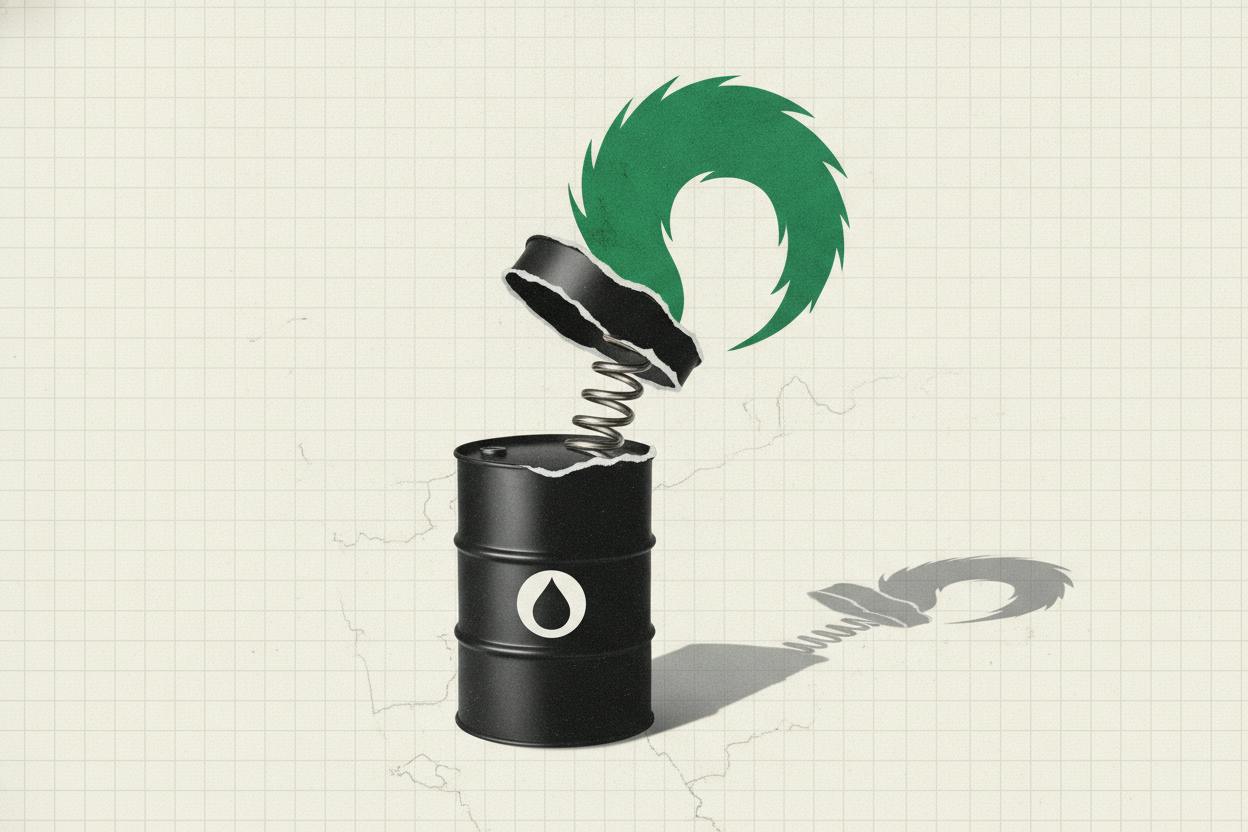
BP, one of the world's largest energy companies, said it had shut in production at two platforms in the Gulf of Mexico ahead of Hurricane Isaias. Such shutdowns are a routine safety measure when storms threaten the region, which accounts for a significant share of U.S. oil output.
Yet oil prices still fell. That suggests traders are more focused on the bigger picture: global demand concerns, ongoing supply from other regions, and the possibility that any storm-related outage will be short-lived. In past hurricane seasons, prices have often spiked on the initial news, only to give back gains once the storm passes and production resumes.
For investors, the takeaway is that weather-driven supply shocks rarely change the long-term direction of oil prices. They can, however, create short-term volatility, which is worth remembering if you hold energy stocks or funds.
Gold: safe-haven demand pushes prices higher
Gold rose more than 1%, extending its role as a go-to asset when uncertainty builds. Investors often buy gold when they worry about inflation, geopolitical tensions, or market turbulence. The latest move appears tied to a mix of factors, including the storm-related disruptions and broader economic jitters.
Gold's appeal as a store of value has been particularly strong in recent years, as central banks around the world have kept interest rates relatively low and governments have spent heavily to support their economies. When real interest rates (rates adjusted for inflation) are low, gold becomes more attractive because it doesn't pay interest or dividends.
For ordinary investors, gold can act as a diversifier in a portfolio, but it's not without risk. Prices can be volatile, and gold doesn't generate income. It's generally seen as a hedge rather than a growth investment.
Copper: strike threat adds to supply worries
Copper prices ticked up as investors weighed the potential impact of a looming strike at a major Chilean copper mine. Chile is the world's largest copper producer, and any extended stoppage can tighten global supply.
Copper is often called "Dr. Copper" because its price can signal the health of the global economy. It's used in everything from construction to electronics to electric vehicles. So when supply is threatened, prices can rise quickly, especially if demand is already strong.
The strike threat comes at a time when copper markets are already sensitive to supply disruptions. As copper rebounds on China import demand, any additional supply shock could push prices higher. Investors in copper miners or exchange-traded funds (ETFs) that track the metal should watch for updates on the strike negotiations.
What it means for investors
For the average investor, these commodity moves are a reminder that markets are constantly repricing risk. Energy and metals are cyclical, meaning their prices swing with supply and demand, economic growth, and geopolitical events.
If you own a diversified portfolio, you likely already have exposure to these sectors through index funds or ETFs. That means you don't need to react to every headline. But it's worth understanding how these forces can affect your holdings.
For example, a prolonged copper strike could lift the shares of copper miners, but it could also raise costs for manufacturers that use the metal. Similarly, a hurricane that shuts oil production might briefly boost oil prices, but if demand remains weak, the effect could fade quickly.
As African markets weigh oil dips and other regional factors, the global picture remains mixed. And while interest in copper assets continues to grow, investors should keep an eye on the fundamentals rather than short-term noise.
Ultimately, the best approach for most people is to stay the course with a well-diversified portfolio and avoid making impulsive changes based on daily commodity swings. If you're considering adding to energy or metals positions, it's wise to think about your time horizon and risk tolerance, and to remember that these sectors can be volatile.
As always, past performance is not a guarantee of future results, and it's important to do your own research or consult a financial advisor before making any investment decisions.