Oil prices slipped on Thursday as traders focused more on the possibility of peace talks than on fresh signs of rising supply. Brent crude, the international benchmark, fell 1.2% to $91.62 a barrel, according to Reuters.
The drop came even though two data points would normally push prices higher. OPEC+ output rose in October, led by Saudi Arabia, and US crude stockpiles jumped by 9 million barrels, according to figures from the American Petroleum Institute (API).
The disconnect is about what traders call the “risk premium” – the extra price they pay when a conflict might disrupt supply routes or production. When headlines suggest the odds of a sudden outage are falling, that premium can unwind quickly in near-dated futures, before any real-world barrels actually move.
Why peace talks matter more than barrels
Oil markets are not just about how much oil is being pumped or stored. They are also about what might happen tomorrow. If a conflict could cut off a major shipping lane or damage production facilities, traders will bid up the price to protect against that risk. That premium can be large and can change fast.
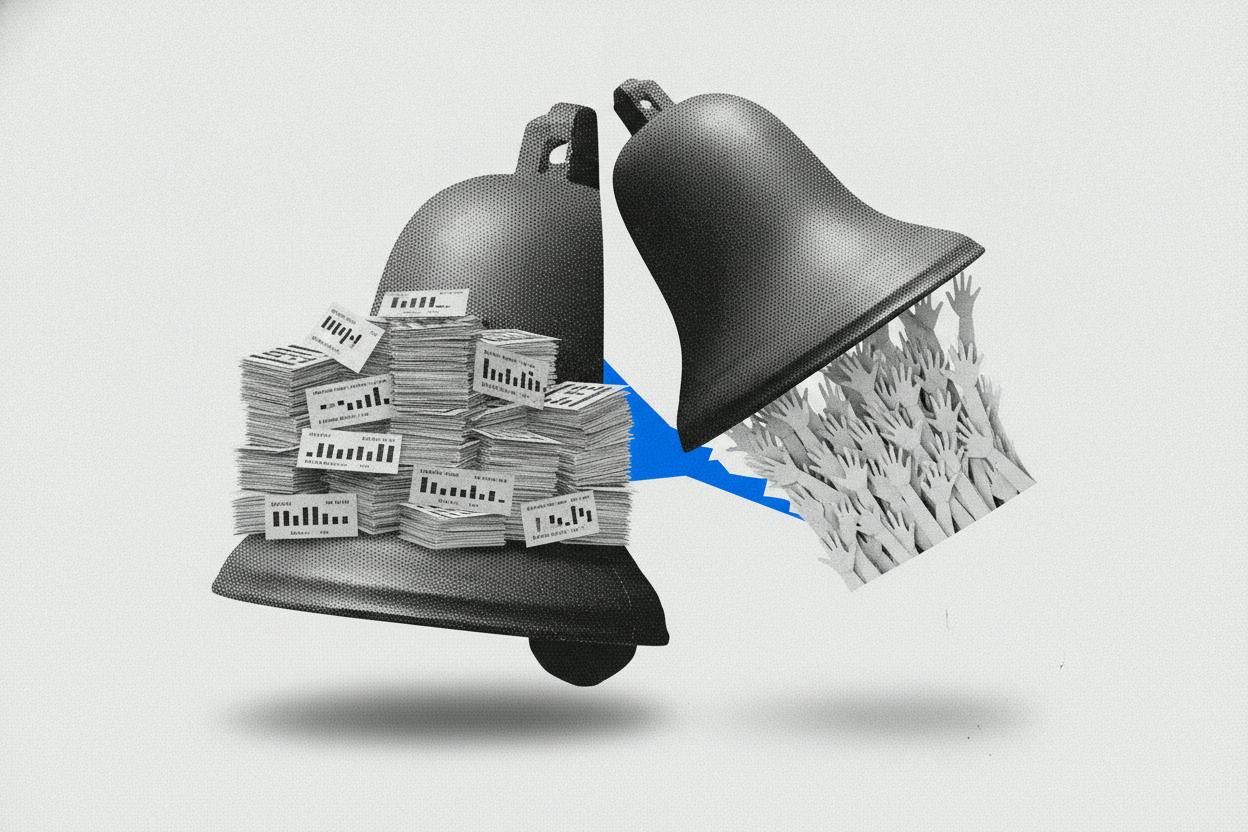
When peace talks appear to be making progress, the perceived risk of a disruption falls. Traders then unwind those bets, and prices can drop even if the actual supply-demand picture hasn't changed much. That's what happened on Thursday: the market chose to focus on the headlines rather than the inventory and production numbers.
This dynamic can flip just as quickly. If negotiations stall or fighting spreads, the risk premium can return just as fast as it left. That's why traders are also watching for the delayed weekly update from the US Energy Information Administration (EIA), which provides official inventory data and can offer a clearer picture of supply.
What this means for investors
For everyday investors, the key takeaway is that oil prices at $91.62 are pricing in geopolitics, not just supply and demand. The front end of the oil curve – spot prices and the next few contracts – often moves on perceived disruption risk. When that fear fades, prices can fall even if underlying conditions haven't changed much.
This can make day-to-day crude moves a noisy signal for anyone tracking energy stocks, inflation expectations, or costs for airlines and shipping companies. A single day's drop might not reflect a real change in the oil market's fundamentals. Instead, it might just be a reaction to a headline.
For investors in energy companies, a falling oil price can pressure earnings and share prices, especially for producers with higher costs. On the other hand, lower oil prices can be a relief for consumers and for companies that use a lot of fuel, like airlines and logistics firms. It can also ease inflation pressures, which is why central banks and bond markets watch oil closely.
Related reading: how oil moves can ripple into currencies and how geopolitical headlines have recently driven oil and gold.
What to watch next
Investors should keep an eye on the EIA's weekly inventory report, which was delayed this week. That data will give a more official read on US stockpiles. Also watch for any updates on peace talks – a breakthrough could push prices lower, while a breakdown could send them higher.
It's also worth remembering that OPEC+ decisions matter. The group's output rose in October, led by Saudi Arabia, which suggests they are willing to add barrels to the market. If that trend continues, it could put a ceiling on prices even if geopolitical risks remain.
For now, the oil market is a tug-of-war between headlines and fundamentals. As an investor, it helps to separate the two. The daily price moves may be driven by fear and hope, but the longer-term picture depends on actual supply and demand.