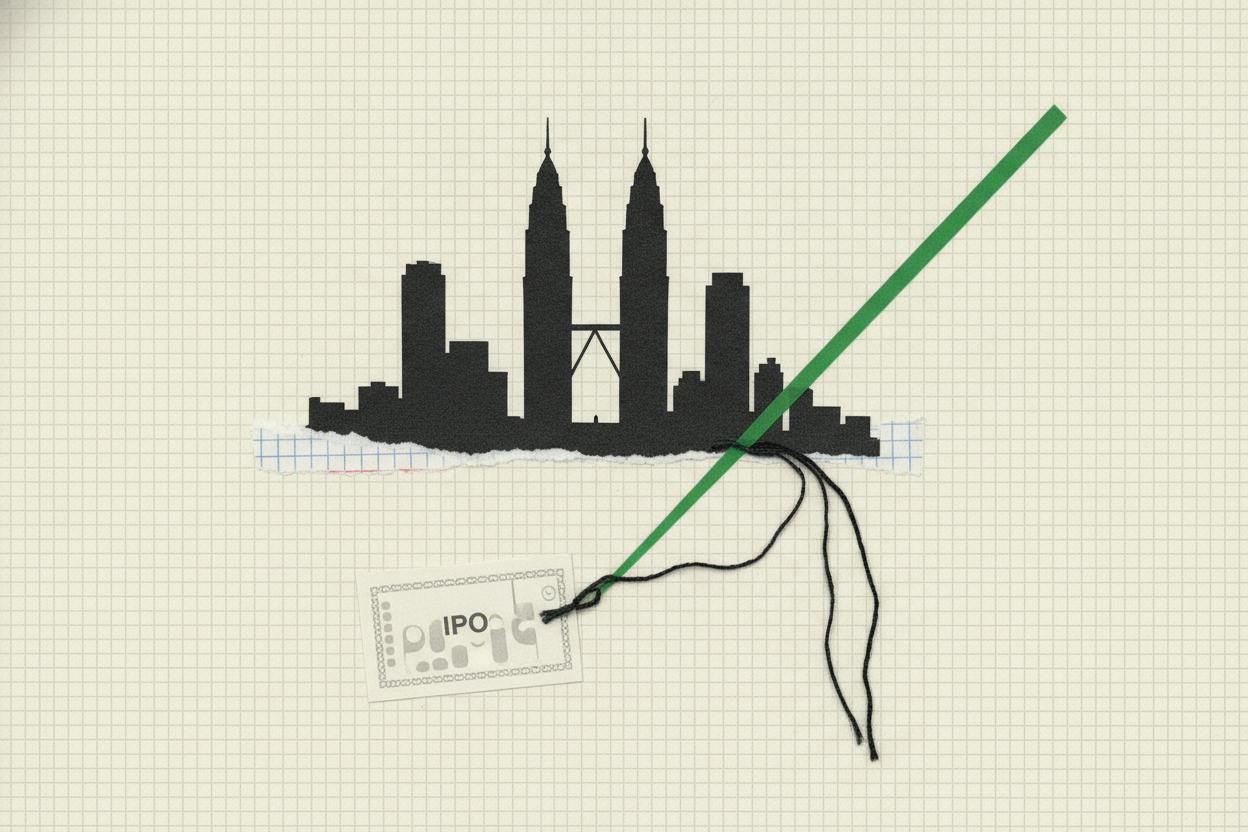
Two major stories are shaping markets today: OpenAI's potential IPO delay is rattling Asian tech stocks, while Chinese automakers are making unprecedented inroads into Europe's car market. Both developments carry significant implications for investors worldwide.
OpenAI IPO Delay Sends Ripples Through Asian Markets
ChatGPT's creator, OpenAI, has been planning to go public this year with a valuation target around $1 trillion. But according to The New York Times, the company's advisors are now pushing for either a lower valuation or a delay until 2027. The news has already triggered a sell-off in Asian tech stocks, highlighting how deeply the region's markets are tied to the AI trade.
SoftBank, one of OpenAI's biggest backers, saw its shares drop 13% on the news. That dragged Japan's Nikkei 225 index down 4%, while South Korea's tech-heavy Kospi fell nearly 6%. The moves underscore how much of those markets' recent gains have been fueled by AI enthusiasm.
OpenAI's last valuation, set in February, priced the company at $730 billion. But growth has slowed since then, as the firm has struggled to win over business customers—unlike rival Anthropic. With ChatGPT yet to turn a profit, questions about that trillion-dollar valuation are mounting. For more on the IPO specifics, see our earlier coverage: OpenAI IPO Faces Delay as Advisors Push for Lower Valuation or 2027 Timeline.
The AI Infrastructure Boom and Its Winners and Losers
OpenAI and other tech giants are collectively spending an estimated $800 billion on AI infrastructure this year. A big chunk of that goes to memory chips, and demand has sent chip prices soaring across the board. PC-maker Lenovo warned on Friday that high prices will be the "new normal" through 2030.
That's great news for memory companies like Micron, SanDisk, Kioxia, and SK Hynix, which have been among the world's best-performing stocks this year. But it's a different story for companies selling everyday electronics—or for the companies that make them. Nintendo's shares are down 38% this year as higher costs eat into margins, while Apple's plans to raise product prices sent its stock down 6% on Thursday.
For a broader look at how the OpenAI news is affecting global markets, check out: Tech Stocks Slide as OpenAI IPO Delay Raises AI Valuation Concerns.
Chinese Cars Hit Record 11% of European Sales
In a separate but equally significant development, Chinese carmakers captured a record 11% of new car sales in Europe last month. The surge was driven largely by hybrids, especially SUV-style models. Chinese brands now account for nearly a quarter of the bloc's new hybrid car sales.
This shouldn't come as a surprise. China's state support helps its automakers keep prices low, making it hard for European rivals to compete—especially on electric vehicles. European auto stocks are now down 40% from their April 2024 peak, and BMW just warned that it will barely break even this year.
For a deeper dive into the hybrid market specifically, see: Chinese Automakers Capture Nearly a Quarter of Europe's Hybrid Car Market.
What It Means for the Auto Industry's Future
Some of what's happening reflects a broader shift in where value lies in the auto industry. It's less about the brand on the hood and more about the hardware and software underneath. Even when cars are European-made, much of that technology comes from China anyway. Stellantis, which owns Fiat and Chrysler, licenses Chinese tech for its European brands.
Chinese carmakers are also securing European factories to manufacture locally. BYD is building a plant in Hungary, and Chery took over a Spanish facility in 2024. With Europe's underused plants needing outside investment to protect 14 million jobs, these partnerships make strategic sense. But with every deal, European automakers are handing more of the supply chain to Chinese players.
Meanwhile, the situation is very different in the US. Triple-digit tariffs on Chinese cars have made it extremely difficult for Chinese automakers to enter the market. The US also claims that Chinese "connected" vehicles—cars with internet access—pose a national security risk and is moving to ban them. Polestar was the first casualty, officially leaving the US after authorities blocked it from selling new cars.
What Investors Should Watch Next
For OpenAI, the key question is whether the company can accelerate its business customer growth and turn a profit before going public. If the IPO is delayed to 2027, it could signal broader challenges for AI startups relying on lofty valuations. The ripple effects on Asian tech stocks and the memory chip market are worth monitoring.
In the auto sector, the rise of Chinese brands in Europe is a long-term trend that's unlikely to reverse. Investors in European automakers should watch for further margin pressure and potential partnership announcements. The divergence between the US and European approaches to Chinese cars also creates very different investment landscapes on either side of the Atlantic.