Palm oil futures in Malaysia edged lower on Friday, tracking weakness in competing vegetable oils on China's Dalian exchange. But the benchmark contract remains on track for a second consecutive weekly gain, buoyed by firmer crude oil prices that have lifted the broader edible oils complex.
The October palm oil contract on Bursa Malaysia fell 0.52% to 4,582 ringgit per metric ton in early trade, according to Reuters data. Despite the daily dip, the contract is still up 1.53% for the week, extending last week's advance.
What's Driving the Move?
The decline Friday was largely a spillover from China's Dalian Commodity Exchange, where soyoil and palm oil futures both traded lower. These markets often move in tandem because buyers can substitute one vegetable oil for another depending on price. Chicago Board of Trade soyoil, however, was higher, adding a mixed signal to the global edible oils picture.
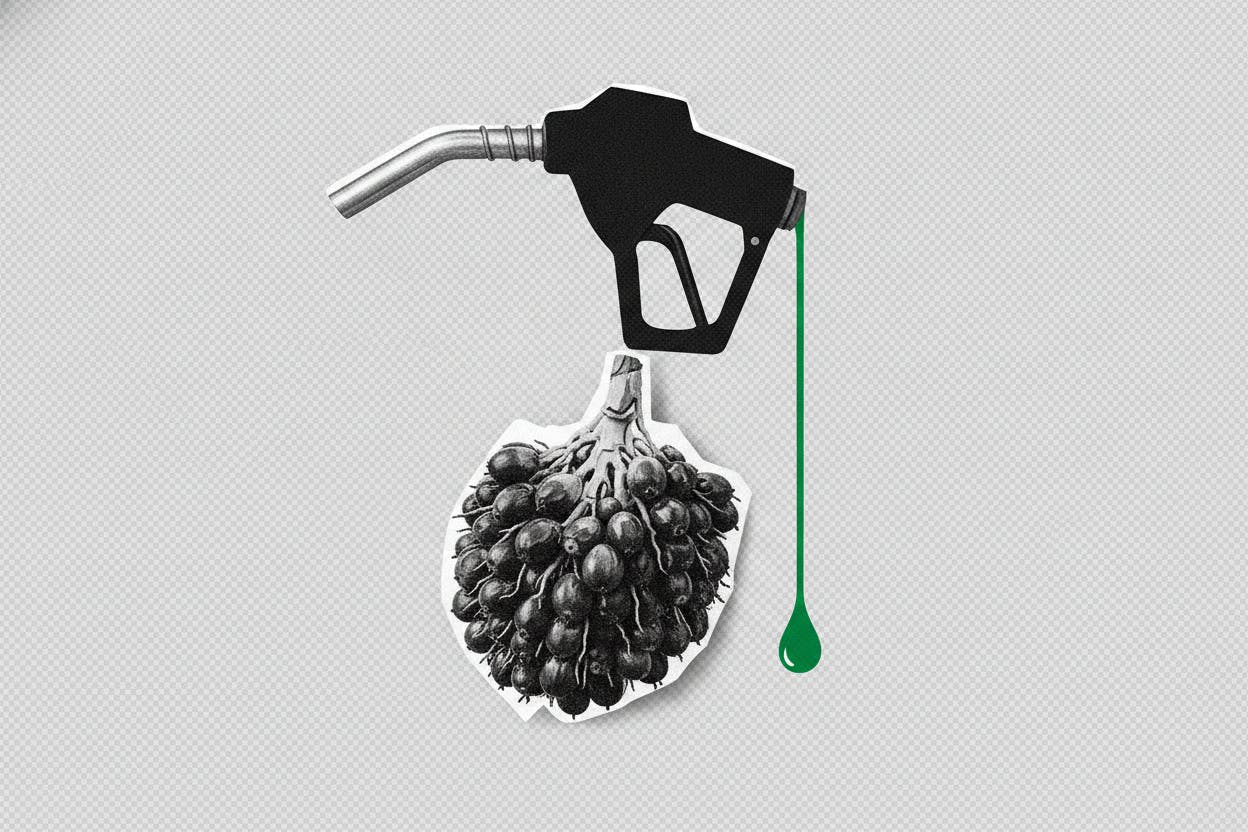
At the same time, crude oil prices ticked up as geopolitical tensions in the Middle East continued to simmer. That matters for palm oil because higher crude prices make palm oil more attractive as a feedstock for biodiesel, boosting demand. The link between crude and palm oil has been a key theme this year, with energy markets often setting the tone for vegetable oils.
For context, palm oil is the world's most widely used vegetable oil, found in everything from cooking oil to cosmetics and biofuels. Malaysia and Indonesia together account for roughly 85% of global production, making Bursa Malaysia's futures a key benchmark for the industry.
What It Means for Investors
For everyday investors, the palm oil market offers a window into how global commodity prices interact. When crude oil rises, it can lift palm oil prices, which in turn affects the cost of food and consumer goods. That's because palm oil is a key ingredient in many packaged foods, from margarine to chocolate spreads.
The weekly gain also reflects broader trends in agricultural commodities. Vegetable oil prices have been volatile this year, swinging between concerns over supply from top producers and shifting demand from the energy sector. Investors watching the space should keep an eye on crude oil movements and weather patterns in Southeast Asia, both of which can quickly change the outlook.
It's worth noting that palm oil prices have been under pressure in recent months from ample supply and weaker demand from major importers like India and China. But the current weekly gain suggests that firmer energy markets are providing a floor, at least for now.
Broader Market Context
The palm oil market isn't moving in isolation. Other commodity markets have also been reacting to geopolitical risks and shifting economic data. For example, gold slipped recently as an oil surge kept a Fed rate hike on the table, showing how energy prices can ripple across asset classes.
Meanwhile, tech futures slid 1% as US strikes in Iran pushed oil to $86, highlighting the tension between risk assets and commodities. And in Asia, Singapore's STI slipped 0.4% as AI trade jitters and Middle East tensions weighed, showing how the same forces are affecting equity markets.
For palm oil specifically, the next catalyst will be monthly production and export data from the Malaysian Palm Oil Board, due in the coming weeks. Traders will also watch for any shifts in China's demand, as the world's largest vegetable oil importer navigates its own economic slowdown.
The Bottom Line
Friday's slip in palm oil futures is a reminder that commodity markets rarely move in a straight line. But the weekly gain, supported by firmer crude, suggests the market has found some footing after recent declines. For investors, the key takeaway is that palm oil remains closely tied to energy markets, and any further escalation in the Middle East could keep prices supported.
As always, it's important to remember that commodity investing carries its own risks, including price volatility and geopolitical uncertainty. Understanding the links between different markets can help investors make more informed decisions, but no single factor tells the whole story.



