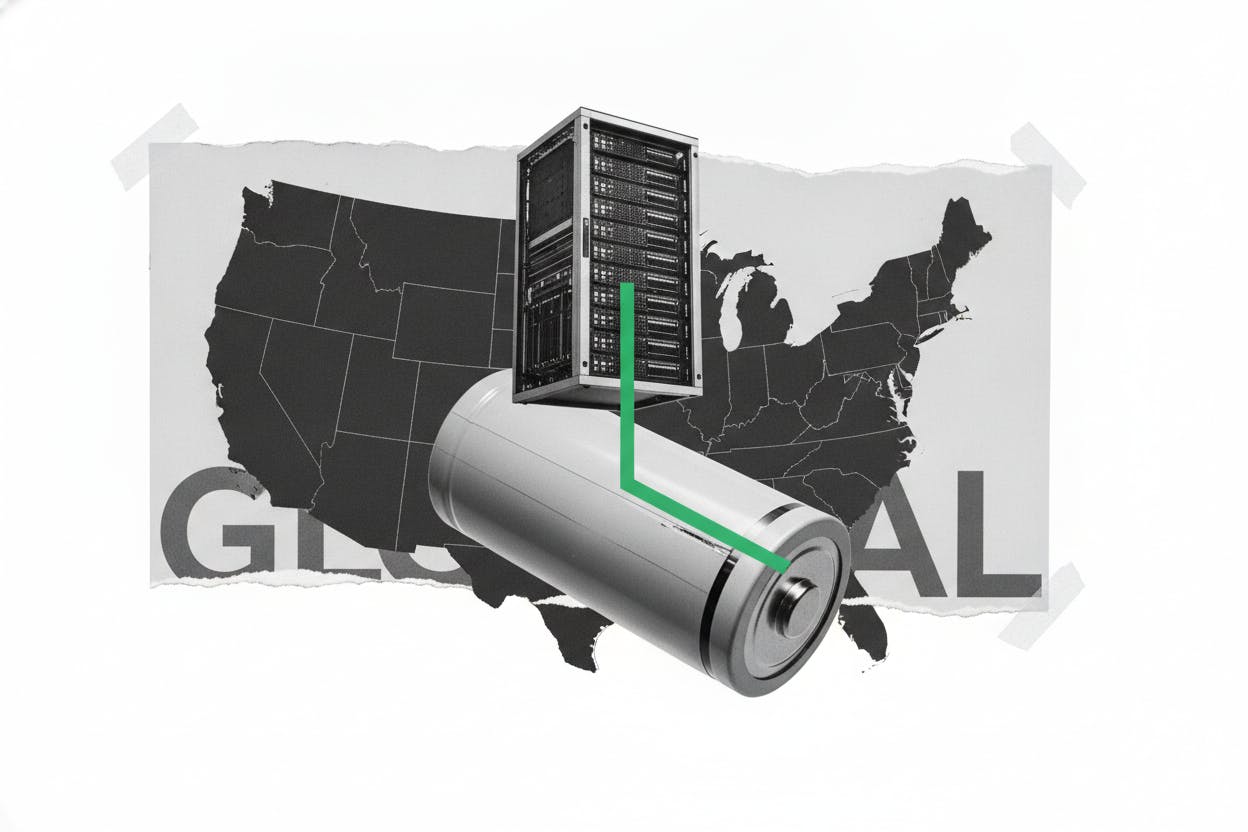
Panasonic, the Japanese electronics and industrial giant, is pushing to build a more US-based battery supply chain as it targets mass production of Kansas-made battery cells for energy storage systems by the financial year ending March 2029. The company says it will localize inputs to serve a customer base that is heavily concentrated in the United States.
Why the shift to data centers?
The timing of Panasonic's announcement reflects a broader pivot in the battery industry. Demand for new electric vehicles has cooled in the US, leaving battery makers with factory capacity and technical know-how that needs new outlets. Data centers, which require massive amounts of backup power, have become an obvious target as artificial intelligence drives a surge in electricity consumption.
Panasonic's energy storage systems are designed to provide backup power for data centers, which need reliable electricity to keep servers running. By localizing the supply chain, the company aims to reduce reliance on overseas components and shorten delivery times for US customers. This is similar to moves by other battery makers, such as China's EV battery giants, which have pledged faster supplier payments amid a price war squeeze, as reported in China's EV Battery Giants Pledge Faster Supplier Payments Amid Price War Squeeze.
What does localizing inputs mean?
Localizing inputs means Panasonic plans to source more of the raw materials and components for its battery cells from within the United States, rather than importing them from Asia or elsewhere. This could include materials like lithium, nickel, and cobalt, as well as other parts of the battery manufacturing process. The company's factory in Kansas is central to this plan, and the goal is to have mass production of cells for energy storage systems running by the end of the 2028-29 financial year.
CEO Yuki Kusumi has also drawn a line on battery chemistry, though details were not provided in the brief. This likely refers to the type of battery technology Panasonic will use, such as lithium-ion or solid-state, which can affect performance, cost, and safety.
Broader context: AI and energy demand
The push into data center energy storage comes as tech companies scramble to secure power for AI operations. SoftBank, for example, is eyeing a stake in TEPCO to secure power for AI data centers, as covered in SoftBank Eyes TEPCO Stake to Secure Power for AI Data Centers. Similarly, Infineon has seen a revenue boost forecast as AI data centers drive demand for power chips, detailed in Infineon Gets Revenue Boost Forecast as AI Data Centers Drive Power Chip Demand.
This trend underscores a growing need for reliable energy storage solutions, as data centers require uninterrupted power to avoid downtime. Panasonic's move positions it to tap into this demand, which is expected to rise as AI workloads expand.
What it means for investors
For everyday investors, Panasonic's announcement signals a strategic shift away from the crowded EV battery market toward a growing niche: energy storage for data centers. This could provide a more stable revenue stream if EV demand continues to soften. However, the timeline is long—mass production is still over four years away—so investors should not expect immediate financial impact.
The company's focus on localizing inputs also highlights the importance of supply chain resilience, a theme that has gained traction since the pandemic. Panasonic is betting that US customers will value domestically produced batteries, which may be less vulnerable to geopolitical disruptions. That said, the success of this strategy will depend on the company's ability to secure raw materials and scale production efficiently.
Investors should watch for updates on Panasonic's battery chemistry choices and any partnerships with data center operators. The broader market for energy storage is competitive, with players like Tesla and LG Energy Solution also vying for a share. Panasonic's established reputation in battery manufacturing gives it a foothold, but execution will be key.
In summary, Panasonic is adapting to changing market conditions by redirecting its battery expertise toward data centers. The move reflects a pragmatic response to cooling EV demand and rising AI power needs, but the payoff is years away. For now, it's a story of strategic repositioning rather than immediate earnings growth.