PayPal has found its next finance chief: Claire Bramley, the chief financial officer of accounting software firm Xero, will join the payments giant on February 1. Her arrival comes as PayPal pushes ahead with a plan to cut $1.5 billion in ongoing costs — savings that management expects to show up in the company's bottom line over the next two to three years.
The hire is part of a broader leadership reshuffle aimed at supporting PayPal's turnaround, according to Reuters. Bramley steps in at a pivotal moment. The company's market value has fallen sharply from its pandemic-era peak — from roughly $360 billion in July 2021 to about $47 billion today — as competition in digital payments has intensified.
Why PayPal needs a turnaround
PayPal was once the default way to pay online. But the payments landscape has changed dramatically. More shoppers now use tap-to-pay wallets built into their phones, and tech giants like Apple and Google have expanded their own payment services. That has squeezed PayPal's growth and pressured its valuation.
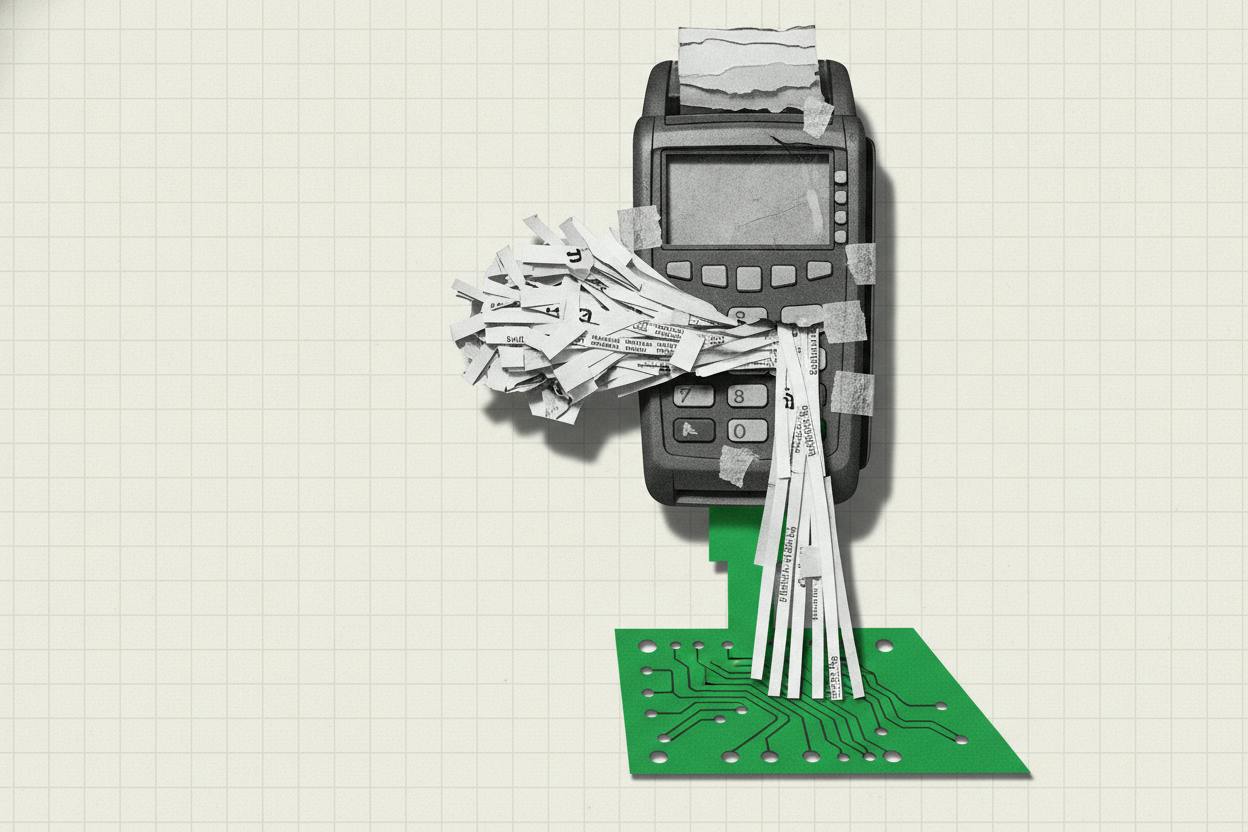
The company's response is a cost-cutting program designed to make the business leaner and more efficient. Management says at least $1.5 billion in run-rate savings should materialize, meaning the annual cost base will be permanently lower once the cuts are fully implemented. About 40% of those savings are expected to come from artificial intelligence and automation — a sign that PayPal is looking to technology to reduce manual work and streamline operations.
Bramley's background fits that agenda. Xero, where she has served as CFO, is a cloud-based accounting platform that has grown rapidly by automating financial tasks for small businesses. Her experience with software-driven efficiency could prove useful as PayPal leans more heavily on AI.
What this means for investors
For everyday investors, the key takeaway is that PayPal is trying to fix its cost structure while it still works on reigniting growth. Cost cuts can boost profits even when revenue growth is slow, which is often why companies pursue them during tough transitions.
But cost-cutting alone rarely solves a company's long-term problems. Investors will be watching whether PayPal can also defend its market share against well-funded rivals. The company's ability to grow its core payments business — and not just trim expenses — will likely determine whether the stock can recover.
The appointment of a new CFO is also a signal. Finance chiefs are often brought in during turnarounds to reassure investors that the company has a credible plan for its money. Bramley's start date of February 1 gives her a few weeks to get up to speed before PayPal's next earnings report.
It's worth noting that PayPal's situation is not unique. Many companies are turning to AI and automation to cut costs, a trend that has been visible across the tech sector. For example, P&G has targeted $10 billion in savings through similar means, and Sage is restructuring with AI as part of its strategy. The difference for PayPal is that it's doing this while also trying to fend off competitive pressure.
What to watch next
Investors will likely focus on a few things in the coming months. First, how quickly the $1.5 billion in savings materialize. Second, whether PayPal can return to meaningful revenue growth. And third, how the leadership changes — including Bramley's appointment — affect the company's strategy.
There's also the broader question of whether PayPal can find new sources of growth. The company has been investing in areas like branded checkout and Venmo, but it faces an uphill battle against Apple Pay and Google Pay, which are built into the phones most people already carry.
For now, the hiring of a new CFO is a step in the right direction, but it's just one piece of a larger puzzle. As always, investors should consider the risks and do their own research before making any decisions.