Procter & Gamble (P&G), the consumer-goods giant behind brands like Tide and Pampers, told investors on Thursday that it is targeting up to $10 billion in productivity savings across fiscal 2027-2030. The plan leans heavily on artificial intelligence and a significant reduction in its product supply workforce, as the company looks to protect profits from rising costs.
The announcement comes as P&G has been warning that higher raw material, energy, and freight costs will squeeze profit even as demand for its household staples remains steady. The new program is designed to blunt that impact, with the company aiming to cut up to $1.8 billion a year from its cost of goods sold—the direct expense line that rises fastest when inputs get pricier.
What the plan includes
Chief Financial Officer Andre Schulten outlined the cost-of-goods-sold savings target, which represents the largest piece of the overall $10 billion goal. This is the line item that covers the direct costs of producing and delivering products, so trimming it directly improves gross margin—the percentage of revenue left after paying for those costs.
Beyond the cost savings, CEO Shailesh Jejurikar framed AI as a way to speed up decision-making, using P&G's database of 10 million consumer profiles. The idea is that AI can help the company better anticipate demand, optimize pricing, and streamline operations, making the business more agile and efficient.
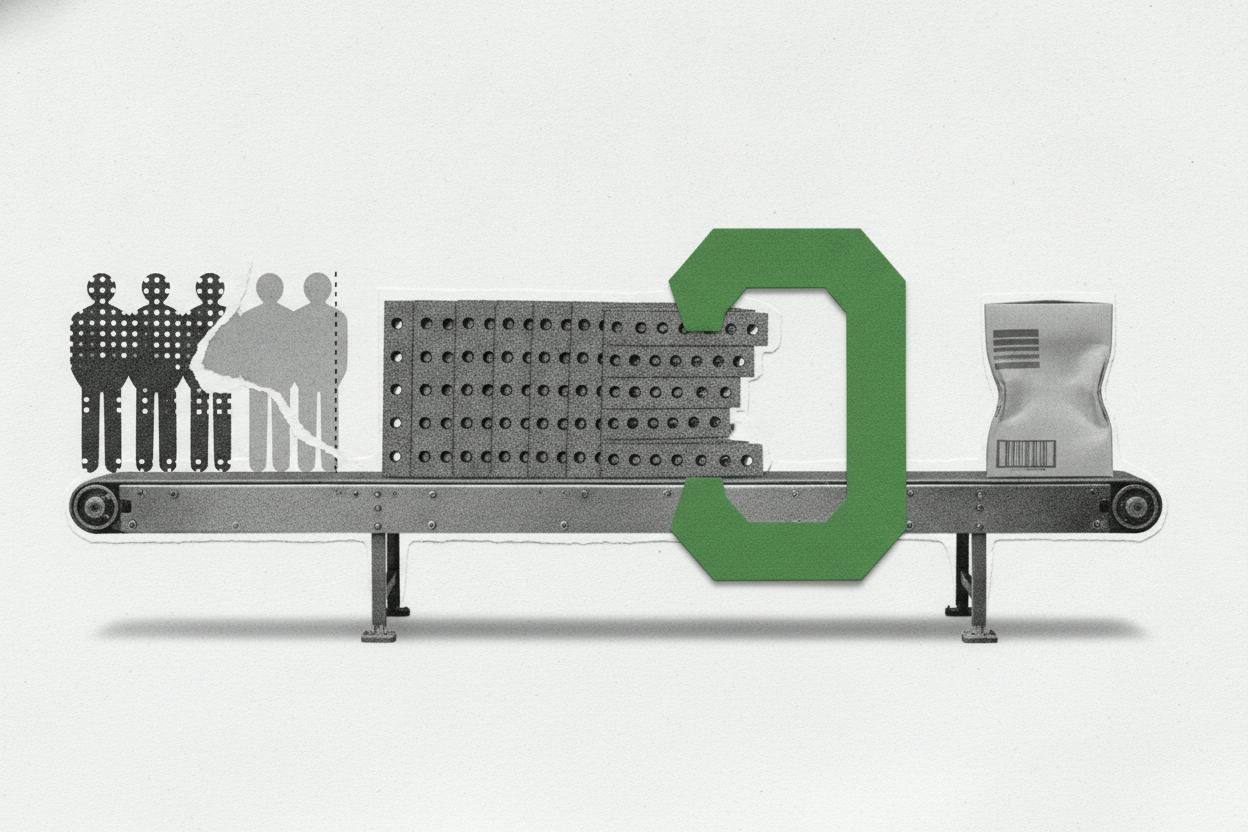
Perhaps the most striking element is the planned reduction in the product supply workforce. Luc Reynaert, who heads product supply, said the workforce—including contractors—is expected to be 20% to 30% smaller by 2030. That means fewer people handling manufacturing, logistics, and related functions, which lowers the fixed cost base and can make the company more profitable on the same level of sales.
Why this matters for investors
For investors, the $1.8 billion-a-year cost target is essentially a gross-margin shield. Consumer staples companies like P&G tend to feel input-cost inflation first through cost of goods sold. The key question is whether P&G can turn these promised savings into reported margins. If it can consistently lower its goods costs, it may rely less on further price hikes to keep profits steady when commodities, energy, or shipping get more expensive.
The headcount reduction matters for a different reason. Fewer people in product supply lowers the fixed cost base, so stable volumes can translate into stronger operating leverage—meaning each additional dollar of sales brings more profit. This is a common strategy among large manufacturers, but it carries execution risks, including potential disruptions to supply chains or customer service.
Because the program runs through fiscal 2027-2030, investors are likely to watch upcoming quarters for early proof that the savings are landing, not just being announced. The company will need to show tangible progress in its cost lines and margins to convince the market that the targets are achievable.
Broader context
P&G is not alone in turning to AI and cost cuts to protect profitability. Across the corporate world, companies are increasingly using automation and data analytics to streamline operations. For example, Sage has announced a similar AI-driven restructuring to boost growth, while Repsol is cutting costs to improve its chemicals business. Even retailers like Walmart have faced cost pressures and have had to adjust their outlooks.
For everyday investors, this trend underscores the importance of watching how companies manage their cost structures, especially in an environment where inflation and supply chain disruptions can quickly erode margins. A company that can effectively use AI and streamline its workforce may be better positioned to weather economic headwinds.
What to watch next
Investors should monitor P&G's quarterly earnings reports for signs that the savings are materializing. Look for improvements in gross margin and operating margin, as well as any updates on the workforce reduction timeline. The company's ability to maintain product quality and customer satisfaction while cutting jobs will also be critical.
While the plan is ambitious, it is not without risks. Implementing AI across a complex global supply chain and reducing a large workforce by up to 30% could lead to operational hiccups. However, if P&G executes well, the payoff could be significant, providing a buffer against cost inflation and supporting long-term shareholder returns.
For now, the announcement is a clear signal that P&G is serious about protecting its profitability in a challenging cost environment. Whether it can deliver on those promises will be a key story to follow over the next few years.