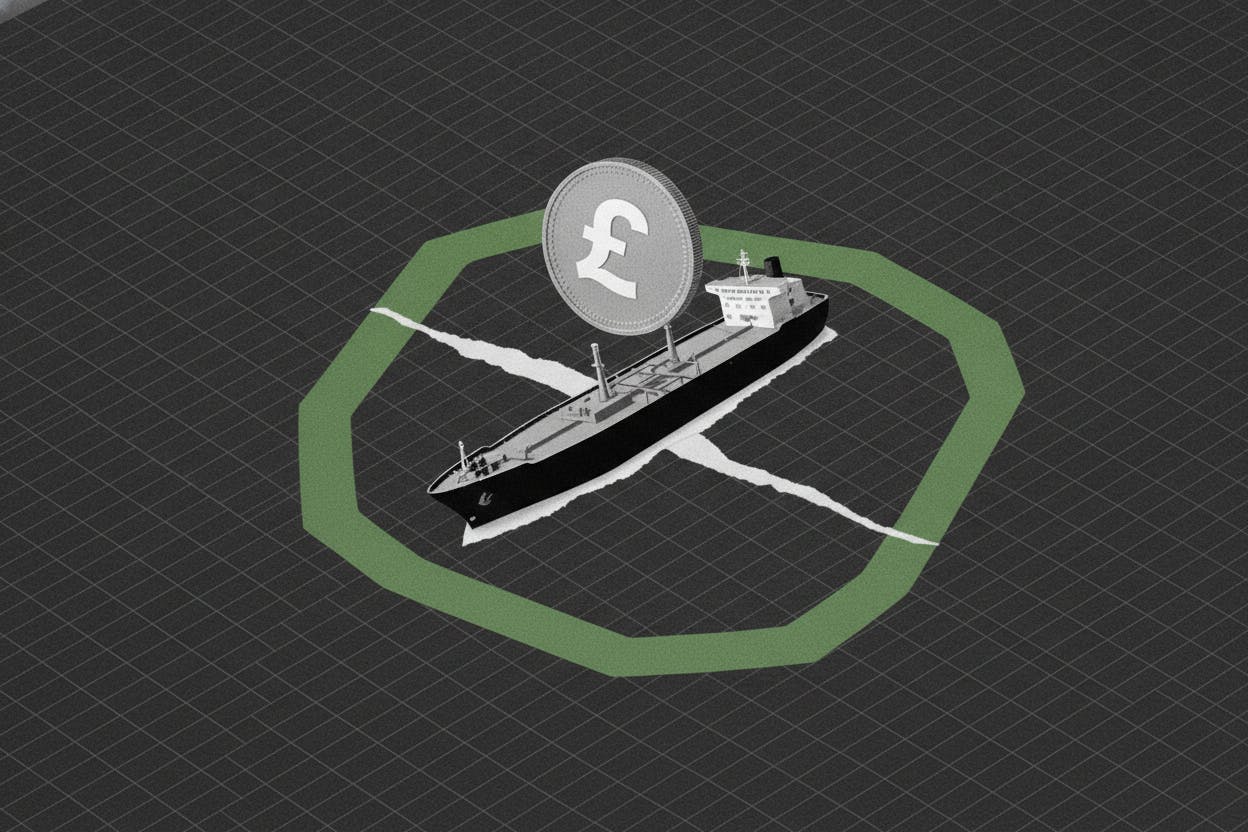
The British pound traded in a narrow range on [day], hovering near $1.3460 against the dollar and 85.73 pence per euro. The currency's stability came as investors kept a close eye on diplomatic efforts to resolve tensions around the Strait of Hormuz, a critical chokepoint for global oil shipments.
According to reports, there is growing optimism that an Iran–Oman agreement could help reopen the strait, reducing the risk of a prolonged disruption to oil supplies. ING, a Dutch bank, noted that such a deal would be the de-escalation signal markets have been waiting for. The strait is a narrow waterway between Iran and Oman through which a significant portion of the world's oil passes, making any threat to shipping there a major concern for energy prices and global inflation.
Why the Strait of Hormuz Matters
The Strait of Hormuz is one of the most strategically important oil routes in the world. A large share of crude oil and liquefied natural gas exports from the Middle East move through this passage, so any disruption—whether from conflict, blockades, or geopolitical tension—can quickly push oil prices higher. For everyday investors, higher oil prices often translate into more expensive fuel and goods, feeding inflation and potentially prompting central banks to keep interest rates higher for longer.
In recent weeks, the threat of a blockage has been a key driver of market sentiment. Oil prices have been volatile, with Hormuz talks meeting Fed rate concerns, and oil slipping on Hormuz talks as diplomatic progress was reported. The latest signs of a possible deal have helped calm some fears, but investors remain cautious until a formal agreement is confirmed.
Bank of England's Rate Path in Focus
Back in the UK, the Bank of England held interest rates steady last week, saying it needed more time to assess how the Middle East conflict might affect prices. The central bank is walking a tightrope: it wants to bring inflation down to its 2% target, but it also doesn't want to choke off economic growth. If oil prices spike due to a Hormuz disruption, inflation could stay higher for longer, making it harder for the Bank to cut rates—or even prompting it to consider hikes.
Market expectations for future rate moves have been shifting as traders weigh these risks. The pound's stability suggests that, for now, investors see a balanced outlook: a possible de-escalation in the Middle East could ease inflation pressures, while a prolonged crisis would complicate the Bank's job. The Czech crown's steady performance after its central bank held rates and hinted at a possible autumn hike shows how other currencies are also reacting to central bank signals in this environment.
What It Means for Investors
For everyday investors, the key takeaway is that geopolitical events can have a direct impact on your portfolio, even if you don't trade currencies. A resolution in the Strait of Hormuz could ease oil prices, potentially lowering inflation and giving central banks more room to cut rates. That would likely be positive for stocks and bonds. On the other hand, a failure to reach a deal could keep oil prices elevated, hurting consumer spending and corporate profits.
Currency markets are often a barometer of these risks. The pound's steadiness suggests that investors are not panicking, but they are also not celebrating yet. As Gulf stocks remained steady on the news, the broader market seems to be waiting for concrete progress.
In the meantime, keep an eye on oil prices and any headlines about the Hormuz negotiations. A breakthrough could be a tailwind for risk assets, while a breakdown could reignite volatility. As always, it's wise to stay diversified and avoid making hasty decisions based on short-term geopolitical noise.