Associated British Foods (AB Foods), the conglomerate behind fashion retailer Primark and a portfolio of food brands, has reiterated its guidance that profit for the 2026 financial year will remain below the previous year's level. The update comes as the company pushes ahead with plans to spin off Primark into a separate listed company by the end of 2027, while facing headwinds from higher gas prices that are clouding its sugar operations.
What's the News?
In a trading statement, AB Foods confirmed that recent sales have been steady across its businesses, but the overall profit outlook for 2026 has not improved. The company first flagged the expected profit decline earlier this year, and today's reaffirmation suggests that the pressures are persisting. The main drag is coming from its sugar division, where expectations of higher natural gas prices—a key input cost for sugar processing—are squeezing margins.
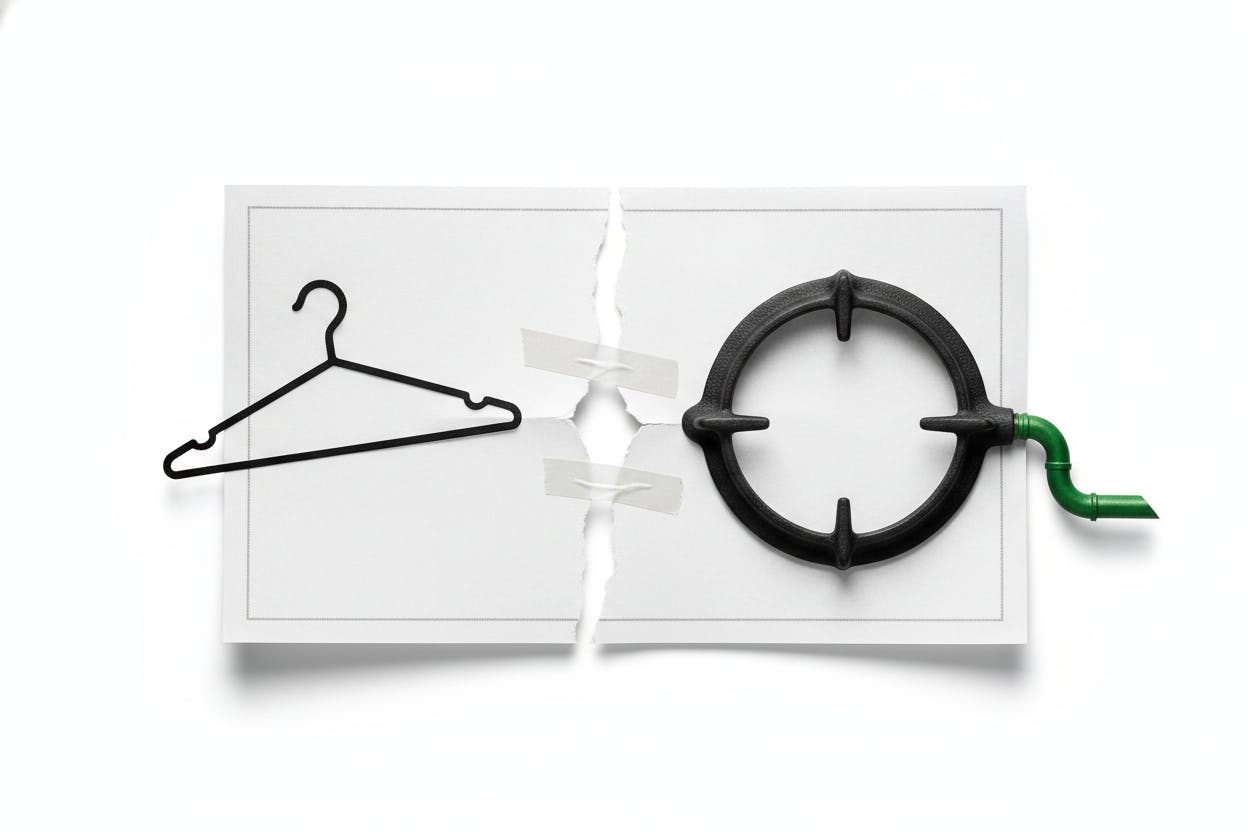
At the same time, AB Foods is making progress on a major structural change: the demerger of Primark. The fast-fashion chain, known for affordable clothing, is being prepared for a standalone listing on the London Stock Exchange. The company has set a target to complete the separation before the end of 2027, a move that would reshape the group into a pure-play food and ingredients business.
Why Does This Matter?
AB Foods is an unusual conglomerate, combining a low-margin, high-volume retail business (Primark) with a collection of food brands such as Twinings tea, Ovaltine, and Kingsmill bread, as well as a large sugar operation. The demerger is intended to unlock value by allowing each part to be valued on its own merits. Investors have long argued that Primark's potential is hidden within the broader group, and a separate listing could lead to a higher valuation for the fashion chain.
However, the near-term profit outlook remains subdued. The sugar business, which is one of the largest in Europe, is particularly sensitive to energy costs. Natural gas is used extensively in sugar beet processing, and with gas prices remaining elevated due to geopolitical tensions and supply constraints, margins are under pressure. This is a familiar story for commodity-linked businesses, where input costs can swing profits dramatically.
For everyday investors, the key takeaway is that AB Foods is in a transitional phase. The demerger could create two distinct investment opportunities, but the current profit guidance suggests that the next couple of years may be bumpy. The company's diversified structure provides some buffer—if one division struggles, others may compensate—but the sugar headwind is significant enough to weigh on the overall result.
What It Means for Investors
AB Foods' reaffirmation of its 2026 profit guidance is a reminder that corporate restructuring takes time and does not always lead to immediate gains. The demerger of Primark is a long-term catalyst, but investors should not expect a quick boost to earnings. The company's stock has been under pressure this year, reflecting the profit warning and uncertainty around the separation.
For those holding AB Foods shares, the focus should be on the progress of the demerger and any updates on sugar margins. If gas prices ease, the sugar division could recover, providing a tailwind. Conversely, if energy costs stay high, the profit drag could persist. The company's food brands, which include well-known names like Silver Spoon and Jordans, are more stable and generate steady cash flow, but they are not high-growth businesses.
It is also worth noting that AB Foods is not alone in facing energy cost pressures. Many European industrial and agricultural companies are grappling with similar issues, as seen in other sectors like chemicals and fertilizers. For a broader perspective on how energy costs are affecting markets, readers can check out our coverage of Bitcoin Dips Below $59K as Rising Treasury Yields Pressure Crypto, which highlights how rising yields and energy prices are rippling through different asset classes.
Meanwhile, the demerger of Primark is a complex process that involves regulatory approvals, debt allocation, and operational separation. AB Foods has not yet provided a detailed timeline, but the 2027 target gives it room to navigate these challenges. Investors should watch for further announcements on the structure of the demerger and any potential tax implications.
In the broader market context, conglomerates are increasingly under pressure to simplify their structures. The trend has been seen across industries, from Volkswagen's China Profit Plunge Sparks Historic Overhaul as Shares Hit 15-Year Low to other major groups spinning off divisions. AB Foods is following this playbook, but the success will depend on execution and market conditions.
What's Next?
AB Foods will report its full-year results later this year, which will provide more detail on the performance of each division. Investors will be looking for signs of improvement in the sugar business, as well as any updates on the Primark demerger timeline. The company's ability to manage costs and maintain sales momentum will be critical in determining whether the 2026 profit forecast can be met.
For now, the message is clear: AB Foods is in a holding pattern, with a major transformation on the horizon but near-term headwinds that are not going away quickly. Investors should stay informed and consider how the demerger might change the risk profile of their holdings.