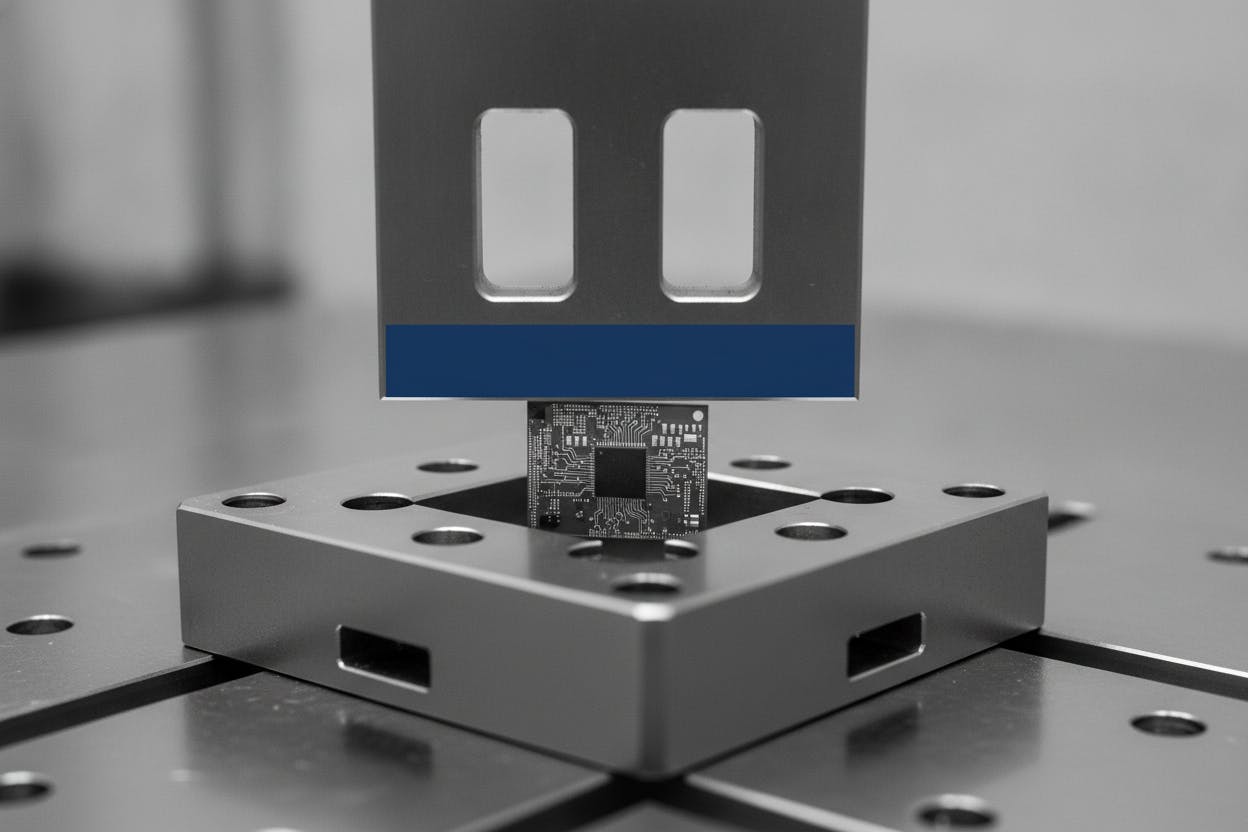
PsiQuantum, a startup developing quantum computers using light-based technology, has secured a $125 million agreement with the U.S. Defense Advanced Research Projects Agency (DARPA). The deal will put the company's hardware and software through DARPA's Quantum Benchmarking Initiative, a rigorous, independent evaluation to determine whether a practically useful quantum computer can be built by 2033.
Quantum computing promises to solve problems that are impossible for today's most powerful supercomputers, from drug discovery to cryptography. But the field has been plagued by hype and unverified claims. DARPA's initiative aims to cut through that noise by setting clear, pass-fail milestones and paying for independent testing rather than relying on company demonstrations or slide decks.
What the DARPA Deal Involves
PsiQuantum is one of several companies pursuing quantum computing, but it takes a unique approach. Instead of using trapped ions or superconducting circuits, the company uses photons—particles of light—to process information. This photonics-based method is less prone to errors from environmental interference, but scaling it to a full-fledged quantum computer remains a major engineering challenge.
The $125 million award builds on a smaller $31.8 million DARPA agreement PsiQuantum received in September 2025. Under the new deal, DARPA will benchmark the startup's hardware and software against a series of technical benchmarks. The goal is to assess whether the company's technology can achieve "quantum advantage"—the point at which a quantum computer can perform a useful task faster or more accurately than any classical computer.
For DARPA, the initiative is a reality check. The agency wants to know if a practical quantum computer is feasible within the next decade, and if so, which approaches are most promising. For PsiQuantum, passing DARPA's tests would be a powerful validation that could attract more funding and commercial partners.
Why This Matters for Investors
Quantum computing is still in its early stages, and most companies in the space are pre-revenue, burning cash, and trading on future potential. That makes it difficult for everyday investors to separate genuine progress from marketing. DARPA's independent evaluation provides a more objective yardstick.
If PsiQuantum meets DARPA's milestones, it could signal that the company is ahead of competitors like IonQ, Rigetti Computing, or Google's quantum division. That could boost confidence in the broader quantum sector and potentially lift valuations across the industry. Conversely, if the tests reveal fundamental flaws, it could dampen enthusiasm and lead to a reassessment of timelines.
Investors should also note that DARPA's involvement doesn't guarantee commercial success. Even if PsiQuantum proves its technology works in a lab, scaling it to a reliable, cost-effective product for businesses and governments will take years and billions of dollars. The Prysmian Lands $6.3 Billion Cable Deal with Molex as AI Data Center Boom Accelerates shows how infrastructure demand is surging in other tech sectors, but quantum computing remains a longer-term bet.
Broader Context: The Quantum Race
Governments and corporations are pouring money into quantum research, seeing it as a strategic technology for national security, finance, and materials science. The U.S. government alone has committed billions through the National Quantum Initiative Act. DARPA's Quantum Benchmarking Initiative is part of that push, designed to ensure taxpayer dollars are spent on approaches with real potential.
PsiQuantum has raised over $1 billion from investors including BlackRock, Microsoft, and the Australian government. The company plans to build a fault-tolerant quantum computer by the end of the decade. The DARPA deal gives it a credible path to demonstrate progress along the way.
For comparison, other startups are also making moves. The UK Robotics Startup Humanoid Raises $152M, Hits $1.35B Valuation in Physical AI Push highlights how deep-tech companies are attracting significant capital, but quantum computing requires even longer development cycles and higher upfront costs.
What to Watch Next
Investors should monitor DARPA's public updates on the benchmarking results, which could come in phases over the next few years. Key milestones include demonstrating error correction at scale, achieving a quantum volume that surpasses classical limits, and running a real-world application.
Also watch for follow-on funding rounds or partnerships. If PsiQuantum passes early tests, it may attract additional investment from defense contractors or tech giants. The Samsung in Talks to Invest €1 Billion in French AI Startup Mistral shows how big tech is willing to place large bets on emerging technologies, and quantum could be next.
For now, the DARPA deal gives PsiQuantum a credible, third-party validation process that could help it stand out in a crowded field. But investors should remain cautious: quantum computing is still a decade or more from widespread commercial use, and the road from lab to market is littered with technical hurdles.