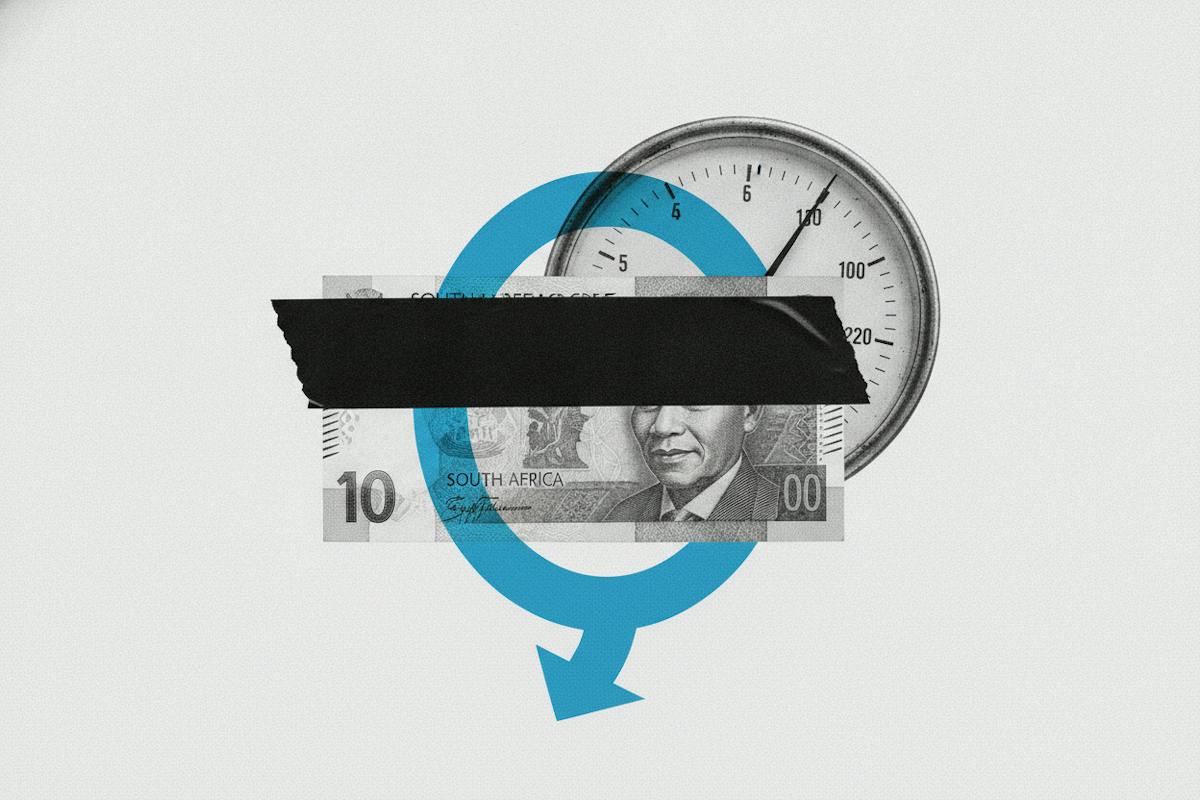
South Africa's rand held its ground on Tuesday even as domestic producer inflation came in hotter than expected, with currency traders keeping their attention fixed on US inflation numbers and what they might mean for the Federal Reserve's next policy decision.
Producer price inflation (PPI) — a measure of what local producers charge at the factory gate — rose to 8.1% year-on-year in October, up sharply from 6.2% in September and above the 7.6% forecast cited by Reuters. The acceleration was led by higher fuel costs, according to Nedbank, one of South Africa's largest banks, while food prices also ticked up after two months of declines.
Why the rand shrugged off the data
For the rand, the domestic inflation print was less important than the bigger picture unfolding in the United States. US inflation has been running hotter than many investors expected, and that has raised questions about how aggressively the Federal Reserve will cut interest rates in the coming months. Higher US rates tend to attract global capital toward dollar-denominated assets, which can put pressure on emerging-market currencies like the rand.
Because the rand is one of the most actively traded emerging-market currencies, it often reacts more to global forces than to local data. That helps explain why a surprisingly strong PPI reading did not knock the currency off its recent range. Traders are instead waiting for the next signals from the Fed, which will shape the outlook for the dollar and, by extension, for currencies across the developing world.
The situation echoes what investors have seen in other emerging markets. In Brazil, for example, stocks jumped as inflation cooled there, showing how sensitive markets are to price pressures. Similarly, Ghana's cedi has been sliding as traders bet on further weakness in African currencies, a reminder that currency moves often reflect global risk sentiment more than local fundamentals.
What producer inflation means for the economy
Producer inflation matters because it is often a leading indicator for consumer inflation. When producers pay more for fuel, raw materials, and other inputs, they frequently pass those costs on to consumers down the line. That can push up the prices households pay for goods and services, which in turn influences the central bank's interest rate decisions.
In South Africa, the latest PPI reading suggests that price pressures are building again after a period of moderation. The jump from 6.2% to 8.1% in just one month is significant, and it was driven largely by fuel costs, which have been volatile globally. Food prices also contributed, reversing a brief trend of declines.
For the South African Reserve Bank, which targets consumer inflation within a range of 3% to 6%, a sustained rise in producer prices could complicate its policy path. If producer costs keep climbing, consumer inflation may follow, potentially delaying any plans to cut interest rates. That would have implications for borrowers and for the broader economy, which has been struggling with slow growth and high unemployment.
What it means for investors
For everyday investors, the key takeaway is that inflation is not just a number on a screen — it affects the value of your money, your savings, and your investments. Higher producer inflation can squeeze corporate profit margins if companies cannot pass on costs, and it can also influence interest rates, which affect bond prices, stock valuations, and the cost of borrowing.
The rand's steadiness in the face of hot local inflation is a reminder that currency markets are often driven by global factors. Investors with exposure to South African assets should keep an eye on US inflation data and Fed commentary, as those will likely have a bigger impact on the rand than domestic PPI readings.
That said, the domestic inflation picture is still important. If producer inflation continues to run hot, it could force the Reserve Bank to keep rates higher for longer, which would weigh on economic growth and could hurt rate-sensitive sectors like property and retail. Conversely, if inflation cools, it could open the door to rate cuts that might boost consumer spending and support the stock market.
Investors should also watch how other central banks are responding to inflation pressures. For instance, the Bank of Korea recently raised rates as inflation stayed sticky, and Rwanda's central bank hiked to 9.5% as its inflation hit 19.5%. These moves show that inflation remains a global challenge, and emerging-market currencies are often the first to feel the strain.
For now, the rand is holding steady, but the calm could be temporary. Traders will be watching the next US inflation release and any hints from the Fed about its rate path. Until then, the rand's fate is likely to be tied more to Washington than to Pretoria.