RBC Capital Markets has raised its second-quarter profit forecast for Portuguese oil and gas company Galp Energia, citing near-full refinery utilization and improving refining margins. The Canadian bank now expects Galp to report adjusted net income of €518 million when it releases earnings on July 27, up from its previous estimate of €405 million.
What's Driving the Upgrade
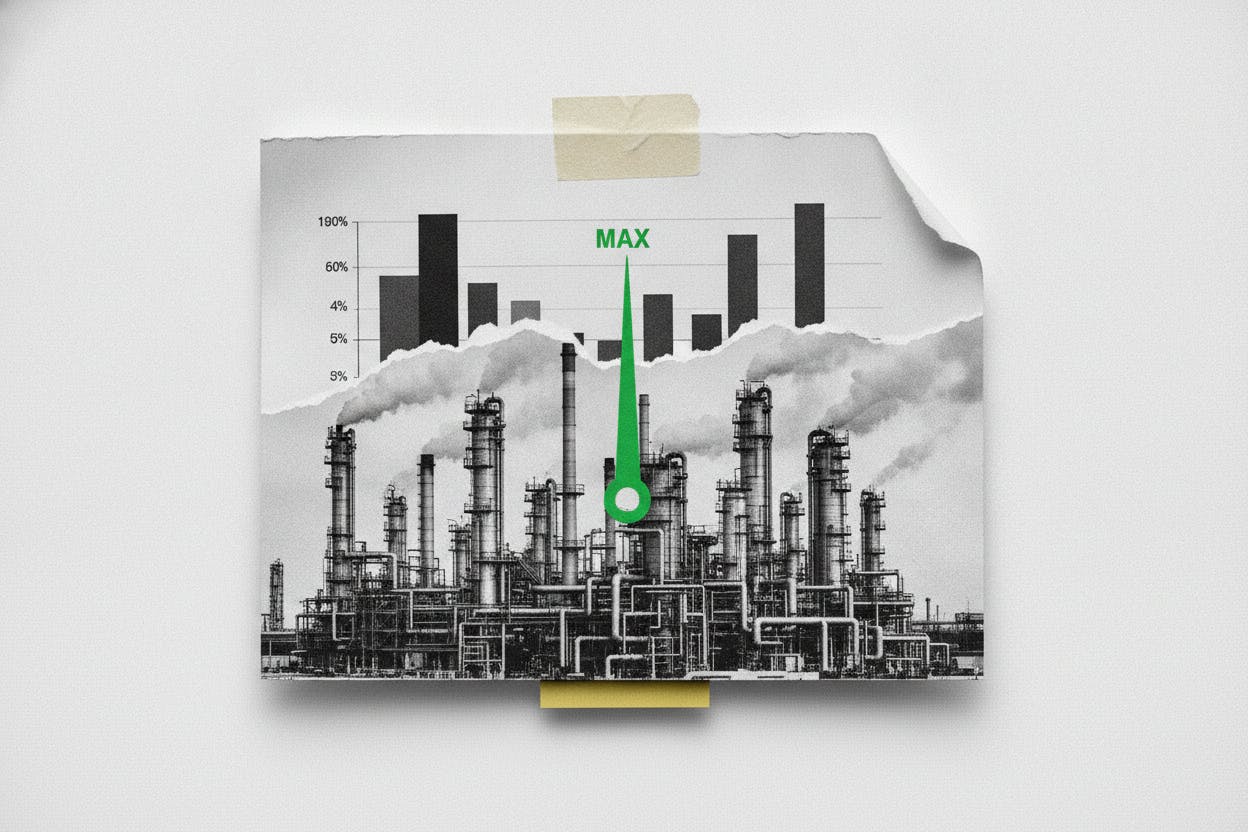
RBC's revised forecast is based on several operational factors. The bank believes Galp's refinery ran at close to 100% capacity during the second quarter. High utilization rates are important for refiners because they allow fixed costs—such as maintenance and staffing—to be spread across a larger volume of fuel output, boosting profitability per barrel.
In addition, RBC sees refining margins improving to nearly $20 per barrel heading into July, a rebound from weaker levels earlier in the quarter. However, this still lags behind Spain's Repsol, another European energy company, which RBC estimates has margins closer to $35 per barrel. The gap between Galp and Repsol's refining margins is a key point of focus for investors.
The bank also flagged stronger earnings from Galp's midstream operations—the transportation and storage of oil and gas—and a smaller drag from Brazilian export taxes, which had weighed on results in prior quarters.
Alongside the net income upgrade, RBC raised its forecast for earnings before interest, taxes, depreciation, and amortization (EBITDA) to €1.28 billion from €1.21 billion. That revised figure is roughly in line with the consensus estimate from Visible Alpha, a financial data provider.
What It Means for Investors
Despite lifting its profit forecast, RBC kept its price target on Galp unchanged at €22 per share. When an analyst raises earnings estimates but leaves the target steady, it often signals that the improvement is seen as a near-term boost rather than a lasting shift in the company's long-term value. In effect, the same €22 target is now supported by higher expected profit, which implies a lower valuation multiple—meaning investors are paying less for each euro of earnings.
This dynamic shifts the debate among investors from whether Galp can beat quarterly estimates to whether it can sustainably close the refining-margin gap with peers like Repsol. If Galp can consistently narrow that gap, it could justify a higher valuation over time. If not, the stock may struggle to move beyond its current range.
For everyday investors, the key takeaway is that a single strong quarter does not necessarily change the long-term picture. Analyst upgrades can provide a short-term lift, but sustained performance and competitive positioning matter more for long-term returns. As always, it's important to consider how a company fits into a diversified portfolio rather than chasing one-off earnings beats.
Galp's upcoming earnings report will be closely watched for further details on refinery utilization, margin trends, and any updates on its broader strategy. Investors may also compare Galp's performance with other energy companies that have recently revised forecasts, such as Hapag-Lloyd and California Resources, to gauge sector-wide trends.
RBC's upgrade is the latest in a series of analyst forecast changes across the energy sector. Similar moves have been seen with Aramark and Money Forward, though those companies operate in different industries. For Galp, the focus remains on execution and margin improvement.