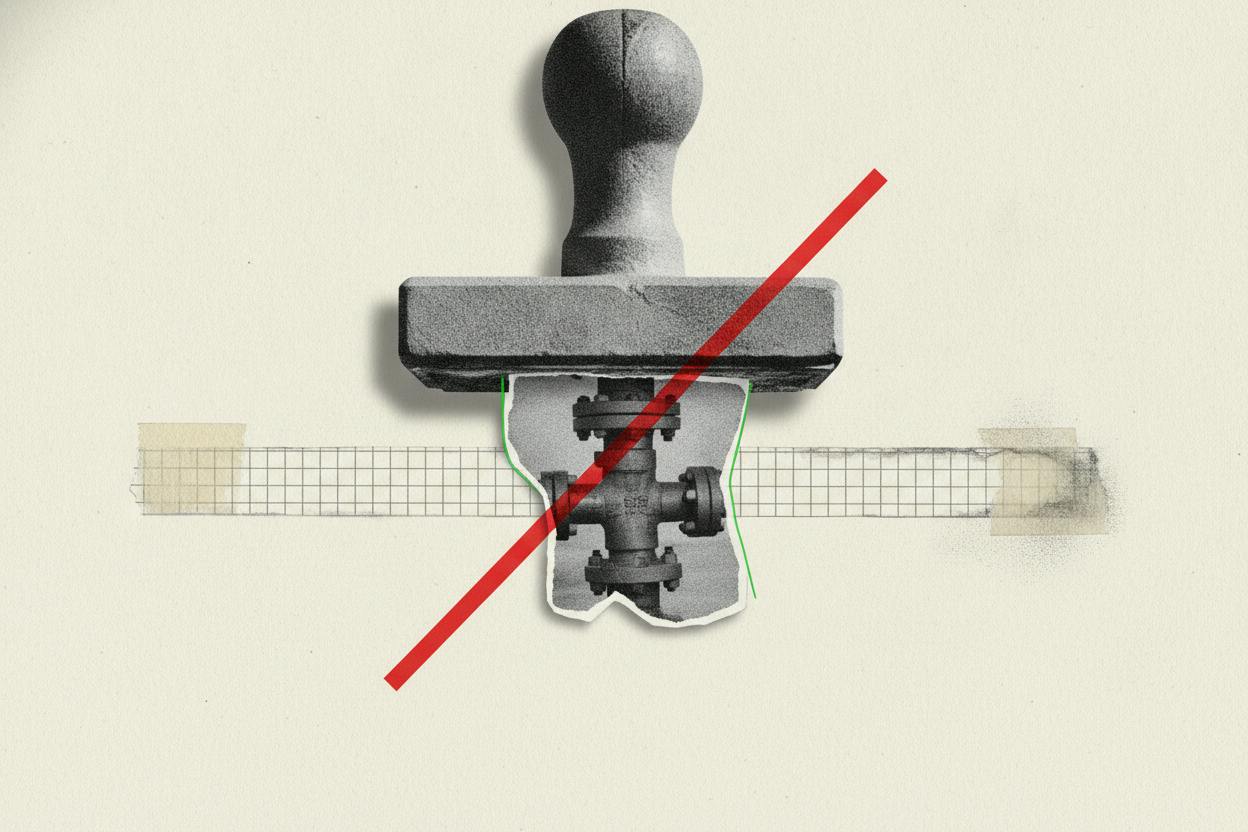
President Donald Trump has abandoned a controversial proposal to impose a 20% toll on cargo ships passing through the Strait of Hormuz, a key chokepoint for global oil shipments. Instead, the administration is pivoting to a strategy centered on new trade agreements with Gulf states and a tighter blockade on shipping linked to Iranian ports. Oil prices ticked higher on the announcement, reflecting the market's focus on supply risks.
What Changed?
The proposed 20% cargo fee, which had rattled shipping markets and raised concerns about higher consumer prices, was dropped in favor of bilateral trade deals with Gulf nations. At the same time, Trump flagged a more aggressive enforcement of sanctions against Iran, specifically targeting vessels that have called at Iranian ports. The shift suggests a move away from a broad tax on all Strait traffic toward a more targeted approach aimed at curbing Iranian oil exports.
The Strait of Hormuz is a narrow waterway between Oman and Iran through which about 20% of the world's oil passes. Any disruption there can quickly affect global crude prices. The original toll plan had drawn criticism from shipping companies and oil traders, who warned it could raise costs for everything from gasoline to plastics.
Oil Prices React
Oil prices edged higher following the announcement, with benchmark crude futures gaining ground. The move reflects the market's assessment that a tighter blockade on Iran-linked shipping could reduce global supply, even as the removal of the toll removes one source of uncertainty. Investors are now watching for further details on how the blockade will be enforced and whether it will lead to actual disruptions.
This development comes amid a backdrop of already elevated oil prices, driven by geopolitical tensions and supply constraints. For context, oil prices have been volatile in recent months, with events like the reinstatement of the Hormuz blockade previously causing sharp spikes. The current uptick, while modest, signals that traders remain sensitive to any news that could tighten supply.
What It Means for Investors
For everyday investors, the key takeaway is that oil prices remain sensitive to geopolitical developments in the Middle East. The shift from a broad toll to a targeted blockade could mean more volatility ahead, especially if enforcement leads to actual shipping delays or seizures. Energy stocks, which often move in tandem with oil prices, could see continued interest from investors looking to hedge against supply risks.
However, the removal of the toll also removes a potential cost that would have been passed down to consumers. That could be a positive for sectors like airlines and shipping, which are sensitive to fuel costs. Investors should also keep an eye on Gulf trade deals, which could open up new opportunities for companies operating in the region.
As always, it's important to remember that oil markets are influenced by a complex mix of supply, demand, and geopolitics. While this news is notable, it's just one factor among many. Diversification remains a prudent strategy for most investors.
Broader Context
The announcement comes amid a broader trend of rising geopolitical tensions in the Middle East, which have kept oil markets on edge. Earlier this year, oil prices surged after Trump reinstated a blockade on the Strait of Hormuz, highlighting the region's importance to global energy markets. The current shift to a tighter Iran-linked blockade suggests the administration is doubling down on its pressure campaign against Tehran.
Meanwhile, Gulf states are likely to welcome the focus on trade deals, which could strengthen economic ties and reduce reliance on oil revenues. For investors, this could mean new opportunities in sectors like infrastructure, finance, and logistics in the region.
In related news, oil prices previously jumped 9.7% when Trump reinstated the Hormuz blockade, underscoring the market's sensitivity to such moves. Additionally, Brent's backwardation has returned as Strait of Hormuz risks tighten oil supply, a sign that traders are pricing in near-term supply constraints. For a broader view of how oil prices affect the economy, see New Zealand's central bank warning that oil prices could force more rate hikes.