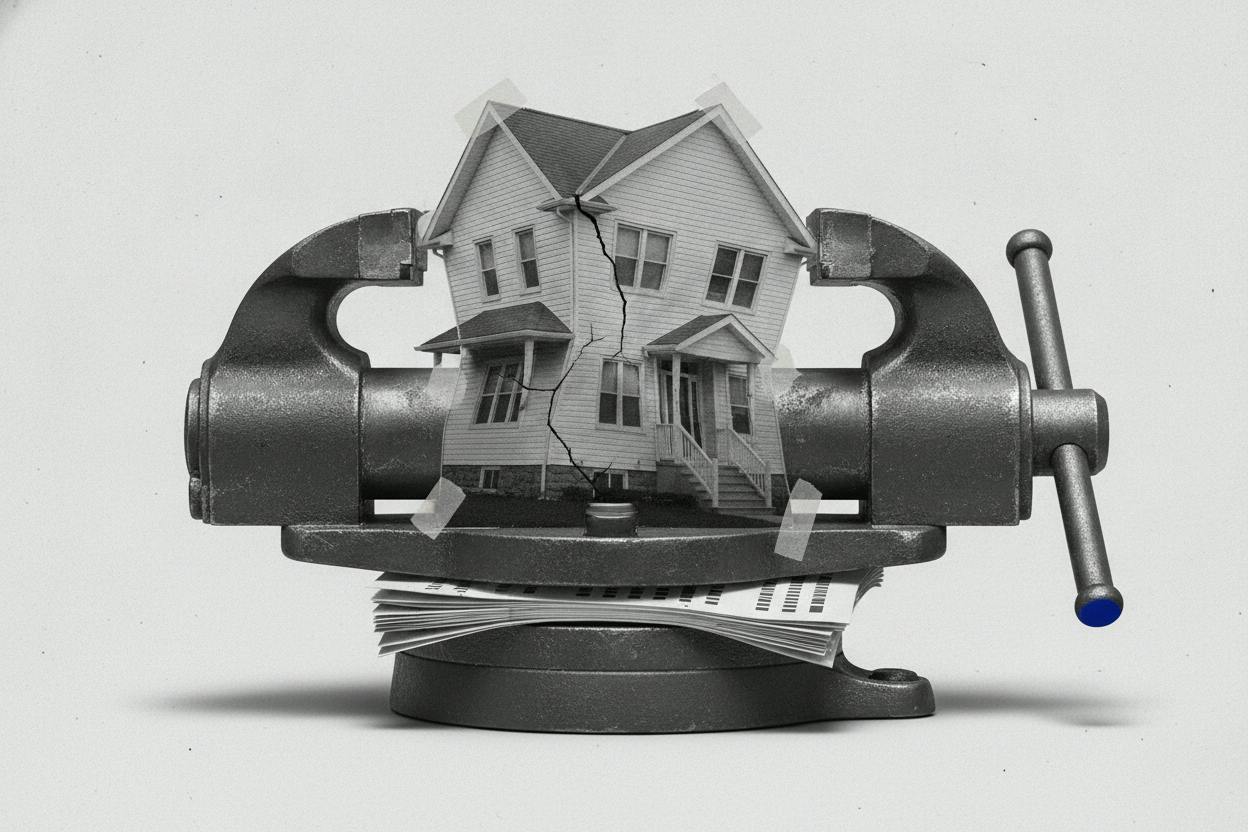
Canada's housing market is likely to remain under pressure for years, according to a new forecast from RBC Economics. The bank expects the Bank of Canada to deliver another 75 basis points of rate increases by the end of the second quarter of 2027, extending the strain on buyers and sellers alike.
The prediction follows the central bank's October rate hike of 25 basis points, which RBC says will hit variable-rate mortgage holders first. Those borrowers will see their monthly payments rise almost immediately, and some prospective buyers will be priced out of the market altogether.
What's driving the forecast?
RBC's outlook is built on two forces pulling in opposite directions. On the demand side, strong immigration and a resilient job market continue to support housing demand. New Canadians need places to live, and steady employment gives many households the confidence to enter the market.
But on the supply side, the picture is less encouraging. RBC argues that the fundamental issue is a shortage of available homes. Even with robust demand, affordability will not improve meaningfully unless more housing is built. The bank's note emphasizes that supply remains the key to affordability, not just interest rates.
The timing of the October rate hike also matters. RBC flags that October housing data may not fully capture the impact of the move. Lenders and borrowers need time to adjust, so November's figures are likely to provide a clearer picture of how demand is responding.
What does this mean for investors?
For everyday investors, the implications are twofold. First, anyone with a variable-rate mortgage or a home equity line of credit should prepare for higher payments. The Bank of Canada's tightening cycle is not over, and RBC's forecast suggests more increases are on the way.
Second, the prolonged strain on housing could weigh on the broader economy. When housing activity slows, it affects everything from construction jobs to retail spending on furniture and appliances. Investors in Canadian banks, homebuilders, or retail companies may see some headwinds.
That said, RBC expects any recovery to be gradual. The housing market is unlikely to collapse, but it also won't bounce back quickly. For those considering buying a home, the message is to factor in the possibility of further rate increases when budgeting.
Broader context
The Bank of Canada's rate path is part of a global trend. Central banks around the world have been grappling with inflation, and many have raised rates to cool price pressures. In this environment, housing markets in several countries are feeling the pinch. For instance, home improvement retailers in the U.S. are also facing a slow housing recovery, as higher rates dampen renovation and buying activity.
Canada's situation is unique because of its heavy reliance on immigration to drive population growth. While that supports long-term demand, it also means the supply shortage is more acute. Policymakers have talked about increasing housing supply, but progress has been slow.
Investors should also keep an eye on how the Bank of Canada's moves affect the Canadian dollar and bond yields. Higher rates typically attract foreign capital, which can strengthen the currency. That has implications for exporters and for Canadians traveling abroad.
What to watch next
The key date is the Bank of Canada's next policy announcement. Markets will be watching for signals about the pace and magnitude of future hikes. RBC's forecast of 75 basis points by mid-2027 suggests a gradual but persistent tightening path.
Also watch the monthly housing data, especially November's figures. If demand drops sharply, it could indicate that the rate hikes are having a stronger-than-expected effect. Conversely, if demand holds up, the Bank of Canada may feel more comfortable continuing to raise rates.
For investors, the takeaway is to stay informed and avoid making hasty decisions. Housing is a long-term asset, and short-term rate movements are just one factor. As always, diversification and a clear understanding of your own financial situation are your best defenses.