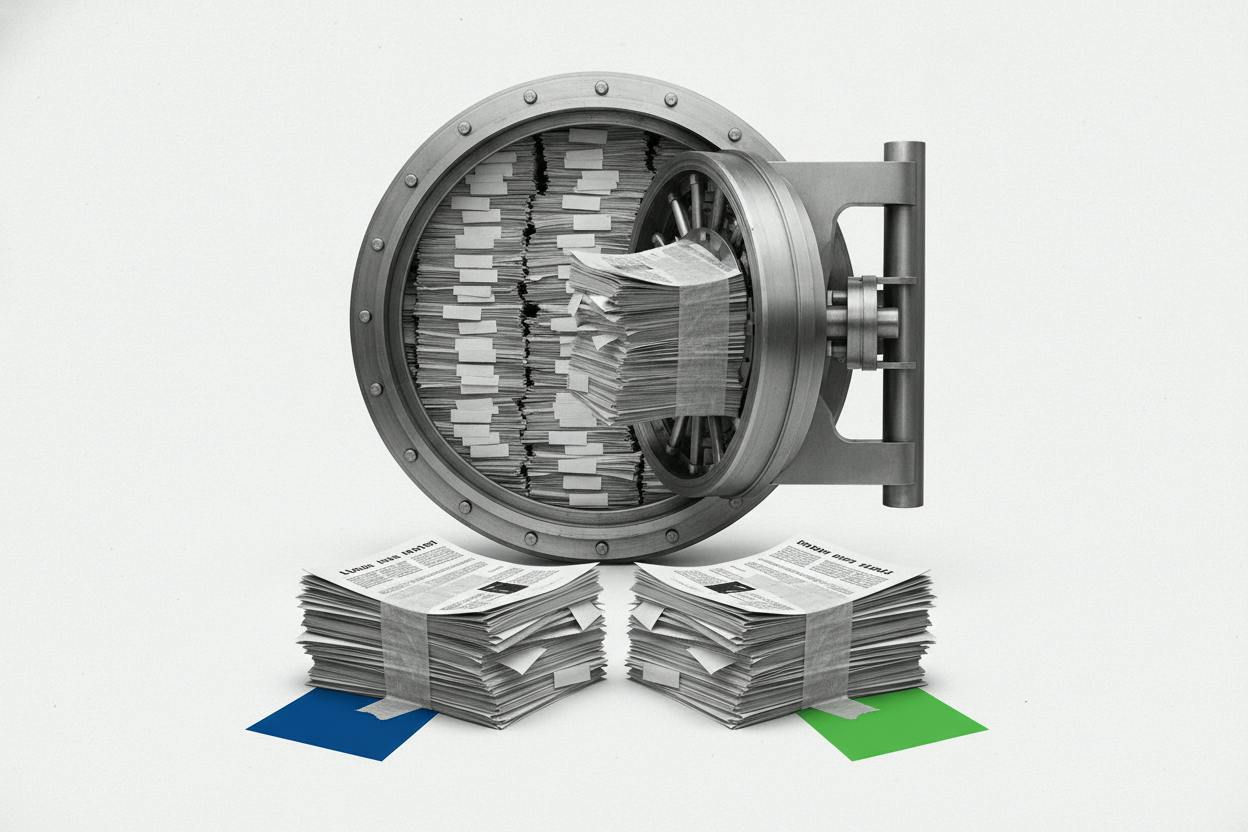
Three of the largest U.S. regional banks delivered better-than-expected profits for the third quarter, but a key revenue measure came up short. PNC Financial Services, US Bancorp, and First Horizon all beat analyst estimates for earnings per share, yet each reported net interest income (NII) slightly below forecasts.
Net interest income is the difference between what a bank earns on loans and what it pays out on deposits. It is often described as the most "repeatable" source of revenue for a bank, making it a closely watched gauge of core lending health. When NII misses, even modestly, investors tend to pay attention because it signals pressure on the fundamental business of borrowing and lending.
The mixed results come at a time when regional banks are navigating a tricky interest-rate environment. After a long period of rising rates, the Federal Reserve has signaled it may pause or even cut rates, which can compress the margins banks earn on loans. At the same time, competition for deposits remains fierce, forcing banks to pay higher rates to keep customers' money, which eats into their NII.
What the numbers show
While the brief does not provide specific figures, the pattern is clear: all three banks managed to exceed profit expectations, but their net interest income came in "a touch light." This suggests that cost controls, fee income, or one-time items may have helped boost the bottom line, even as the core lending engine sputtered slightly.
For PNC and US Bancorp, the decision to raise their full-year 2026 outlooks is a notable signal. It implies that management sees the current NII softness as temporary and expects stronger performance ahead. First Horizon, a smaller regional lender, did not raise its outlook, which could indicate a more cautious stance.
This divergence is not unusual. Larger regional banks often have more diversified revenue streams—such as wealth management, investment banking, or credit card operations—that can cushion the blow from weaker NII. Smaller banks like First Horizon tend to rely more heavily on traditional lending, making them more sensitive to interest rate swings.
Why net interest income matters
For everyday investors, understanding NII is key to evaluating any bank stock. When a bank reports earnings, the headline profit number can be flattered by one-off gains or tax benefits. But NII reveals the underlying health of the bank's core business: how much it earns from taking in deposits and making loans.
If NII is falling, it could mean the bank is paying more to attract deposits, or that loan demand is weak, or that the yield on its loan portfolio is not keeping pace with funding costs. Over time, persistent NII misses can erode profitability and lead to lower dividends or share buybacks.
On the other hand, a single quarter of slightly soft NII is rarely a red flag. Banks often adjust their pricing strategies, and management guidance can provide context. The fact that PNC and US Bancorp raised their 2026 outlooks suggests they expect the current pressure to ease.
What it means for investors
For investors holding regional bank stocks, the takeaway is nuanced. Beating profit forecasts is positive, but the NII shortfall is a reminder that the sector faces headwinds. The latest inflation data shows prices still running above the Fed's target, which could keep interest rates higher for longer than some hope. That might actually help banks' NII in the short term, as loan yields stay elevated, but it also keeps deposit costs high.
Investors should also watch the broader economic backdrop. The Fed's Beige Book recently described a "patchwork economy" with persistent inflation pressures, suggesting the path for rates is far from certain. If the Fed does resume hiking—as some analysts at UBS predict for December and March—banks could see a temporary boost to NII, but at the cost of higher funding costs and potentially weaker loan demand.
For those considering bank stocks, it's worth looking beyond the headline earnings beat. Check the trend in NII over several quarters, and pay attention to management's guidance. A single miss is not alarming, but a pattern of misses could signal deeper issues.
Regional banks have also been in the spotlight for other reasons. Earlier this year, stress tests in other markets showed banks can withstand severe downturns, but U.S. regional banks face unique challenges, including exposure to commercial real estate and deposit outflows.
Overall, this earnings season for regional banks is a mixed bag. Profit beats are welcome, but the persistent NII misses remind us that the lending environment remains challenging. As always, diversification and a long-term perspective are key for everyday investors.