Swiss pharmaceutical giant Roche topped third-quarter sales expectations on Thursday, but a softer-than-expected performance from its allergy and asthma drug Xolair underscored the pressure that cheaper copycat drugs can put on even the most established medicines.
Revenue rose 7% at constant exchange rates to 16.13 billion Swiss francs (about $18.6 billion), beating the company-compiled consensus of 15.75 billion francs. The beat was driven by strong demand for several key medicines, including multiple sclerosis treatment Ocrevus, whose sales climbed 9% to 1.84 billion francs.
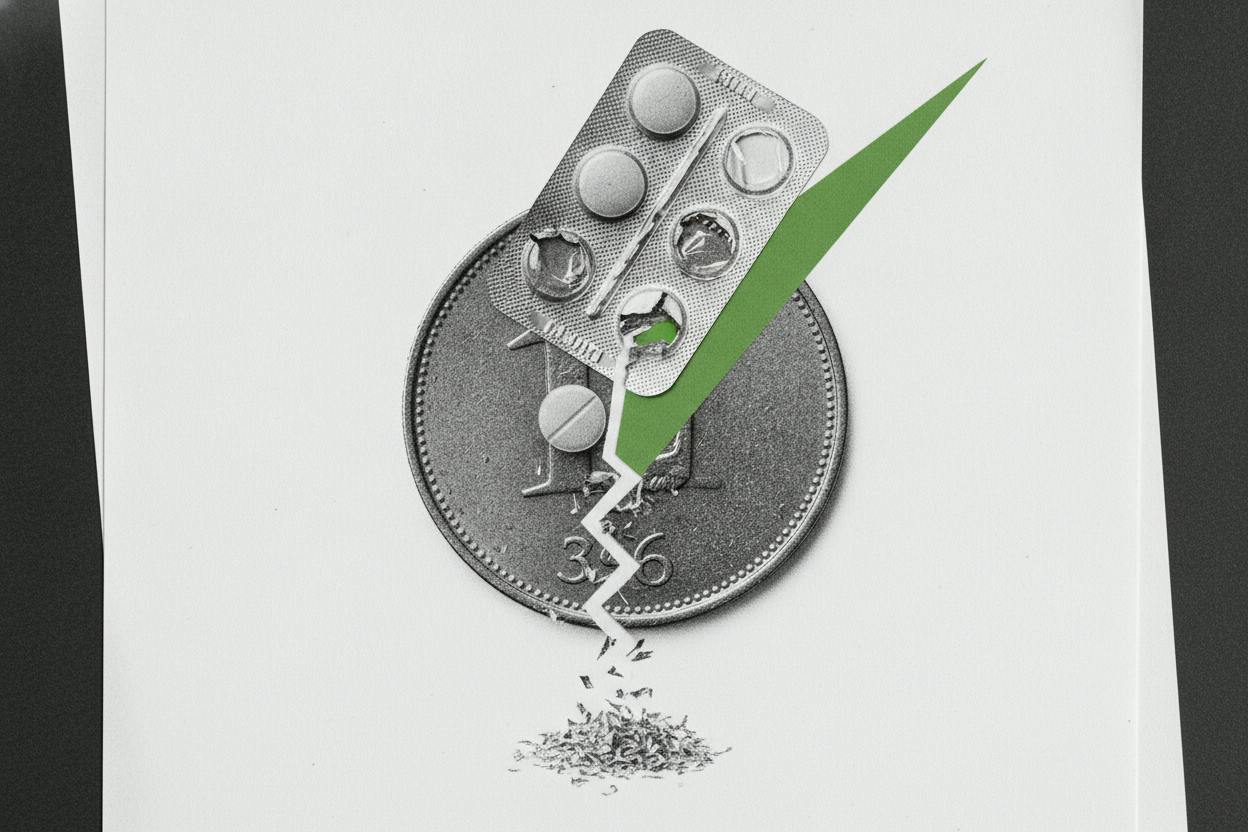
But the market's attention quickly turned to Xolair, which missed analyst estimates after the first cheaper biosimilar version of the drug launched. Xolair, used to treat allergic asthma and chronic hives, has long been a reliable earner for Roche. The arrival of a rival is a familiar challenge in the pharmaceutical industry, where patents eventually expire and lower-cost alternatives enter the market.
What is Xolair and why does it matter?
Xolair (omalizumab) is an injectable biologic drug that blocks a protein involved in allergic reactions. It has been on the market for over two decades and is a significant revenue contributor for Roche. When a biosimilar—a near-identical copy of a biologic medicine—launches, it typically sells at a discount, and patients and insurers often switch to the cheaper option.
The weaker-than-expected Xolair sales are a clear signal that the biosimilar is already taking market share. This is a pattern seen across the industry: once a patent expires, sales of the original drug can decline rapidly as payers push for lower-cost alternatives. For Roche, the question is how quickly and how deeply Xolair's revenue will fall.
The company did not provide specific Xolair figures in the brief, but the miss suggests the erosion is happening faster than analysts had anticipated. This is a reminder that even a diversified portfolio of blockbuster drugs is not immune to the competitive forces that shape the pharmaceutical market.
Roche's broader picture
Despite the Xolair wobble, Roche's overall performance was solid. The 7% revenue growth at constant exchange rates—a measure that strips out currency fluctuations—shows that the company's newer and established medicines are still finding buyers. Ocrevus, a treatment for multiple sclerosis, continues to be a growth driver, with sales rising to 1.84 billion francs in the quarter.
Roche also has a strong pipeline of new drugs and diagnostics, which helps cushion the impact of patent expiries. However, the Xolair situation is a cautionary tale: even a well-established drug can lose momentum quickly when a cheaper alternative appears. Investors will be watching to see how Roche manages the transition and whether other drugs in its portfolio face similar threats.
What it means for investors
For everyday investors, the Roche news offers a few takeaways. First, beating sales forecasts is positive, but the market often focuses on the details—like a specific drug missing estimates—because that can signal future trends. Second, the Xolair miss highlights the importance of understanding a company's exposure to patent expiries and biosimilar competition.
Pharmaceutical companies with a diverse portfolio and a strong pipeline are generally better positioned to weather these storms. Roche's ability to grow overall revenue despite Xolair's weakness suggests it has that resilience. But investors should keep an eye on how much of a company's revenue comes from drugs facing competition, as that can affect long-term growth.
The broader market context also matters. Roche's results come amid a mixed earnings season, with some companies beating expectations while others warn of headwinds. For instance, Besi's AI-driven orders beat forecasts but sales stayed flat, showing that even strong demand doesn't always translate into immediate revenue growth. Similarly, Nokia's Q3 profit beat forecasts on surging AI and cloud sales, a reminder that technology trends can drive results in unexpected ways.
For Roche, the next thing to watch is how Xolair sales evolve in the coming quarters and whether the company can offset the decline with growth from other drugs. Investors will also be listening for any updates on Roche's pipeline and its plans to launch new medicines that could replace lost revenue.
In the meantime, the Xolair signal is a useful reminder that in the pharmaceutical industry, no drug is immune to competition. Companies that adapt quickly—by developing new treatments or managing the transition to generics—tend to reward long-term investors. Those that don't may see their growth stall.
As always, it's important to look beyond the headline numbers and understand the underlying drivers. Roche's beat is good news, but the Xolair miss is a warning that even the best-run companies face challenges. For investors, that means staying informed and diversified, rather than betting on any single drug or company.