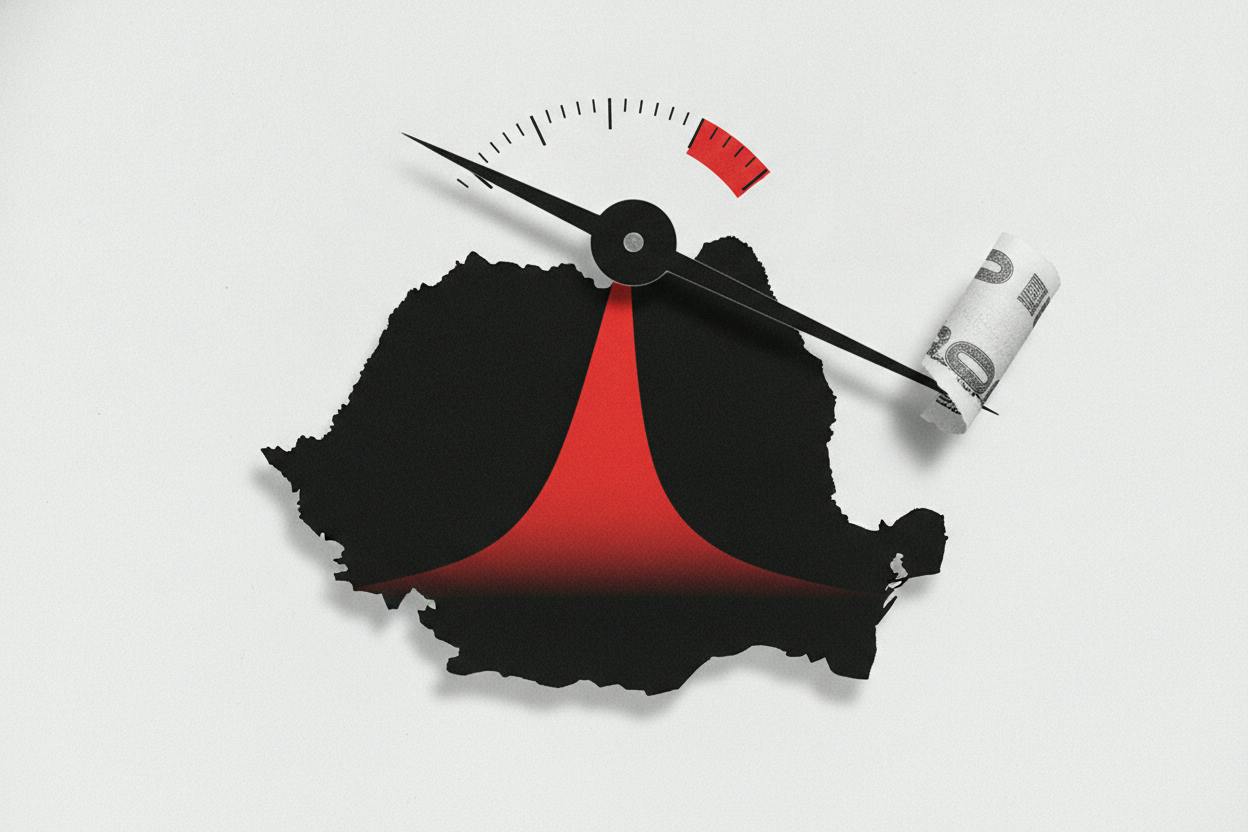
Romania's inflation rate ticked up again in October, reinforcing expectations that the central bank will keep interest rates on hold for a long time. Consumer prices rose 6.94% from a year earlier, up from 6.61% in September, according to data cited by Reuters. The acceleration was tied to a softer currency and higher energy costs, a combination that is making it harder for policymakers to bring inflation back to target.
The country's central bank targets inflation of between 1.5% and 3.5%, so October's reading is more than double the top of that range. That gap helps explain why markets widely expect the bank to leave its benchmark rate at 6.50% at its next meeting. Governor Mugur Isarescu has also tried to manage expectations, saying that any discussion of easing can only begin once inflation falls below the policy rate.
Why inflation is staying high
Romania's inflation problem is not new, but it is proving stubborn. The leu has weakened against major currencies, which makes imported goods more expensive. Energy prices have also climbed, adding to the pressure on households and businesses. These are the kinds of supply-side shocks that central banks have limited power to counteract quickly.
Because inflation is still running well above the policy rate, Romania is in what economists call a "negative real rate" environment. That means the interest rate on paper—6.50%—is actually lower than the rate of price increases, so money loses purchasing power even when it is sitting in a savings account. This is a key reason why officials are reluctant to cut rates: lowering the benchmark would risk letting inflation become entrenched, forcing even more painful measures later.
ING, a major European bank, goes further than the market consensus. It expects the central bank to keep the rate at 6.50% until the second quarter of 2027. That view could be tested when the bank updates its inflation forecasts later this month, but for now the message is clear: rate cuts are a distant prospect.
What it means for investors and households
For everyday investors, the immediate takeaway is that borrowing costs are likely to stay high for a while. Banks often treat the policy rate as a floor and then add a margin for risk, so new loans and variable-rate borrowing will remain expensive. That affects mortgages, car loans, and business credit, making it harder for households to finance big purchases and for companies to invest.
On the savings side, the picture is mixed. Deposit rates may look attractive at first glance, but with inflation near 7%, the real return is negative. In other words, even a 6% deposit rate means your money is losing value in terms of what it can buy. That is a tough environment for savers, and it may push some investors toward assets that have historically offered better protection against inflation, such as inflation-linked bonds or commodities.
The situation in Romania is not unique. Several emerging-market central banks are grappling with similar trade-offs, as currency weakness and energy costs keep inflation above target. For example, Turkey's central bank is also under pressure to manage inflation expectations, and Indonesia's rupiah has hit record lows amid global inflation concerns. These episodes highlight how interconnected inflation and currency moves can be.
What to watch next
The key date for Romania is the central bank's next policy meeting, where it will also update its inflation forecasts. If those forecasts show inflation staying above the target range for longer, the market's expectation of a prolonged hold will be reinforced. Conversely, any sign that inflation is cooling faster than expected could open the door to earlier cuts, though ING's forecast suggests that is unlikely.
For investors with exposure to Romanian assets, the main risk is that high rates persist, which can weigh on economic growth and corporate earnings. On the other hand, a stable currency and a central bank that is committed to fighting inflation could eventually attract foreign capital, especially if global interest rates start to fall. But that is a story for later.
For now, the message from Bucharest is simple: inflation is still too high, and rate cuts are off the table. That means high borrowing costs and negative real returns for savers are likely to continue for the foreseeable future.