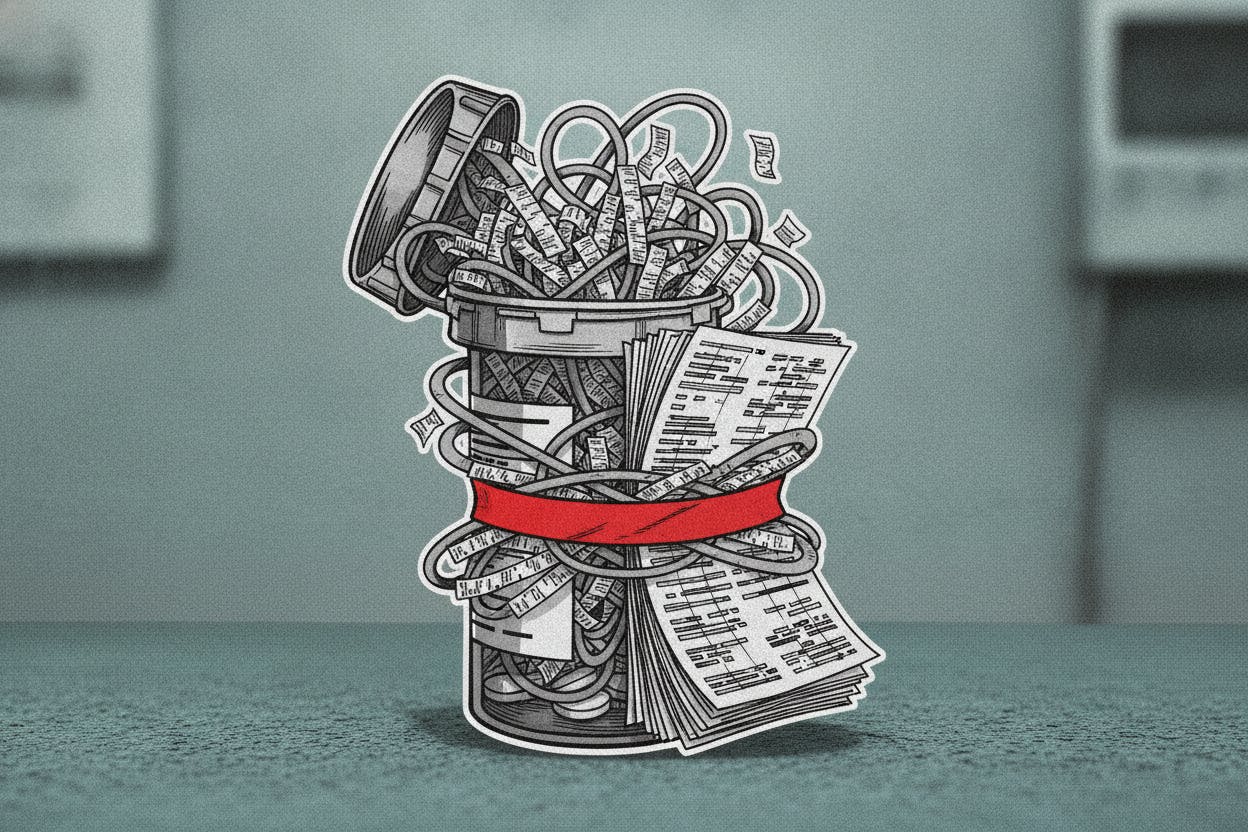
Japanese rubber futures ended the session little changed on Tuesday, as supply disruptions from heavy rainfall in key producing regions offset cautious demand from Chinese tire makers ahead of the National Day holiday.
The market is caught in a familiar tug-of-war: raw material costs are being pushed up by weather-related production snags, but buyers are holding back, waiting to see how demand evolves after the holiday break.
Rain in Thailand and China tightens supply
Analyst firm Ningzheng Futures said heavier rainfall in China's Hainan and Yunnan provinces has made it harder to source raw materials in the short term. Both regions are significant producers of natural rubber, and wet weather can disrupt tapping and collection, reducing the flow of fresh latex.
Meanwhile, wetter-than-usual conditions in Thailand, the world's largest natural rubber producer, have kept prices firm for latex and for "cup lump," the coagulated rubber that farmers collect from tapped trees. When rain hampers tapping, supply tightens, and that tends to support prices at the farm gate and in the futures market.
These supply-side pressures are the main reason Japanese rubber futures have managed to hold steady, even as demand signals remain lukewarm.
Demand stays cautious ahead of National Day
On the demand side, Chinese tire makers—the biggest buyers of natural rubber globally—have been cautious. Analyst firm Zhongcai Futures noted that pre-holiday stockpiling has largely wrapped up, and weaker-than-expected buying has emerged as the National Day trading break approaches.
The National Day holiday, which starts October 1, is a major week-long break in China. Factories often slow or halt operations, and traders typically reduce positions ahead of the closure to avoid risk. This year, the caution is compounded by broader economic uncertainty, as seen in recent data showing factory activity slipping in some Asian economies.
With stockpiles already built and the holiday looming, buyers are in no rush to secure additional volumes, which keeps a lid on price gains.
What it means for investors
For everyday investors, rubber futures are a niche but useful window into global supply chains. Natural rubber prices affect the cost of tires, rubber gloves, and a range of industrial goods. When prices rise, manufacturers may pass on costs to consumers, potentially feeding into inflation.
The current standoff between supply and demand suggests prices could stay rangebound in the near term. If rains persist in Thailand or China, supply could tighten further, pushing prices up. Conversely, if demand from China remains weak after the holiday, prices could drift lower.
Investors with exposure to rubber-related companies—such as tire makers or rubber plantation firms—should watch weather patterns in Southeast Asia and China, as well as post-holiday buying trends. A sustained recovery in Chinese manufacturing would likely boost demand, while prolonged rain could keep supply constrained.
Broader market context also matters. Recent moves in other commodities, such as oil prices steadying near $98, and soybean futures edging up, show that commodity markets are being driven by a mix of supply disruptions and demand expectations. Rubber is no exception.
For now, the tug-of-war continues. Until there is a clear signal on either supply or demand, rubber futures are likely to remain in a holding pattern.