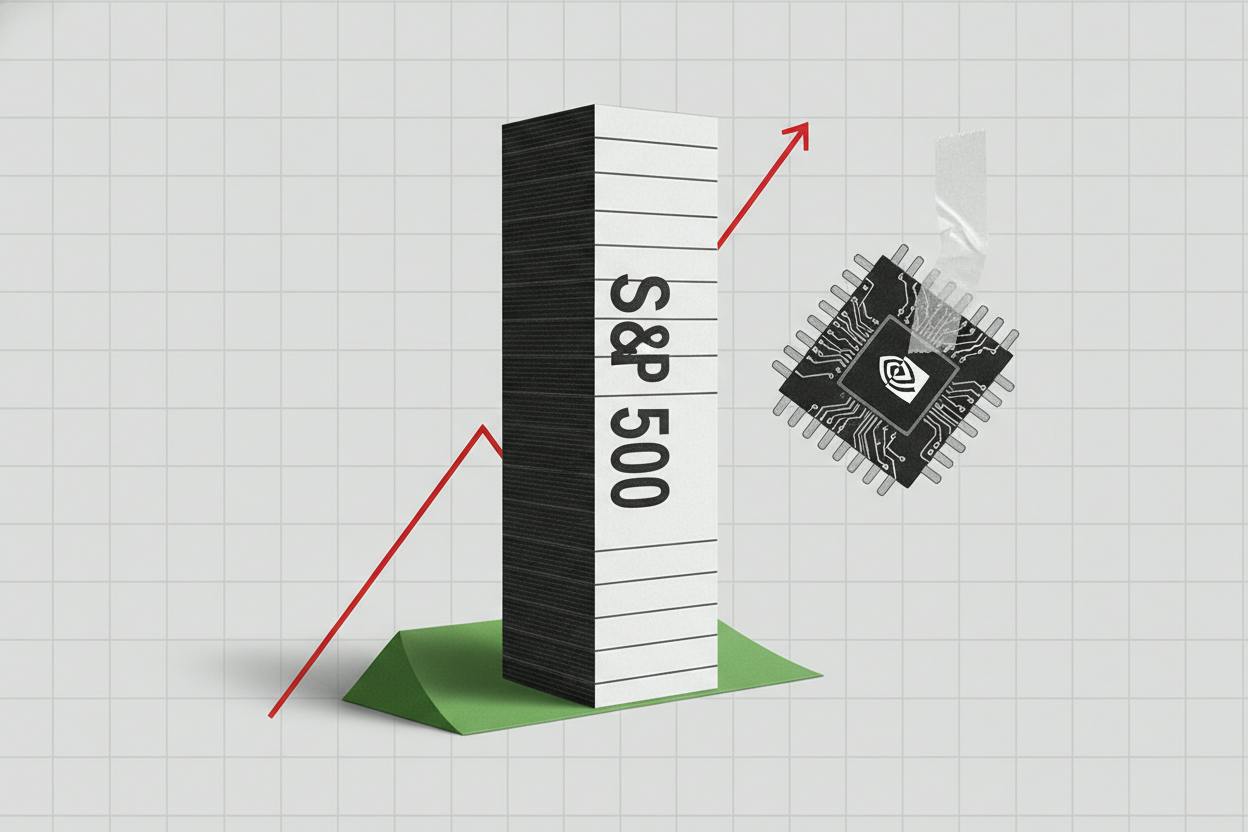
The latest S&P 500 earnings season is nearly complete, and the numbers look solid on the surface. With about 91% of companies having reported, profits are up 27.4% year over year and sales are up 13.4%. But beneath that healthy headline, two developments are making investors uneasy: a surprise leadership change at Nvidia and growing expectations that the Federal Reserve will raise interest rates again in December.
Broad-based growth, but a cooling tech sector
According to Oppenheimer Asset Management, 454 of the S&P 500's 500 companies have reported results so far. The standout feature of this season is breadth: all 11 sectors of the index are showing both earnings and sales growth. Energy leads the pack, while technology continues to grow at a fast clip, though its pace has moderated slightly from earlier in the year.
That breadth matters because it suggests the market's gains aren't dependent on a handful of mega-cap stocks. When every sector is pulling its weight, the index is more resilient to shocks from any single company or industry. It also gives investors more options for where to put their money, especially if the economic environment turns less favorable.
Nvidia's leadership shake-up
One of the biggest stories of the week is Nvidia's abrupt leadership change. CEO Jensen Huang has resigned, and CFO Colette Kress has stepped in as interim CEO. The news has sent ripples through the AI trade, as Nvidia has been the poster child for the artificial intelligence boom. The company's chips are central to AI development, and its stock has soared on the back of surging demand.
Leadership changes at a company like Nvidia are rare and can create uncertainty. Investors are now waiting to see how the company performs without its long-time leader at the helm. Nvidia's next earnings report will be closely watched, not just for its financial results but also for any signals about the company's strategic direction under new leadership. The situation is a reminder that even in a strong earnings cycle, company-specific risks can emerge unexpectedly.
The Fed and rising yields
At the same time, the macroeconomic backdrop is getting tougher. Recent inflation data came in hotter than expected, which helped push the 10-year Treasury yield above 5%—a level not seen in years. Higher yields raise the "discount rate" that investors use to value future profits, which tends to weigh most heavily on long-duration growth stocks like big tech.
According to the CME FedWatch tool, traders now assign a 94% probability of a quarter-point rate hike at the Fed's December meeting. That would be a significant move, as the central bank had been signaling a pause in its tightening cycle. A hike would further increase borrowing costs for companies and consumers, potentially slowing economic growth.
What it means for investors
For everyday investors, the key takeaway is that the stock market is facing a tug-of-war between strong corporate earnings and a more challenging macro environment. On one hand, companies are delivering impressive profit growth, which is the fundamental driver of stock prices over the long term. On the other hand, rising yields and the prospect of another rate hike could compress valuations, especially for high-growth sectors.
History shows that when Treasury yields rise and the Fed tightens, stocks often experience volatility. The pressure typically lands first on rate-sensitive areas like information technology and communication services, which have led the market in recent years. However, the breadth of this earnings season could provide a cushion. If profits are growing across all sectors, the index is less vulnerable to a sharp downturn from a single sector's weakness.
Investors should also keep an eye on how the market reacts to Nvidia's leadership transition. The company's fortunes are closely tied to the AI trade, and any signs of disruption could have ripple effects across the tech sector. As Nvidia's earnings call becomes the first test of life after Jensen Huang, the market will be listening for reassurances about the company's future plans.
Looking ahead
With earnings season winding down, attention will shift to the Fed's next move and the ongoing AI narrative. The AI trade faces a test this week with Nvidia's report and the potential IPO of Anthropic, another AI player. Meanwhile, bond yields have eased as investors reassess the AI rally, suggesting that the market is still trying to find its footing.
For now, the message is one of caution mixed with optimism. Corporate America is in good shape, but the road ahead may be bumpy. As always, diversification and a long-term perspective remain the best tools for navigating uncertain markets.