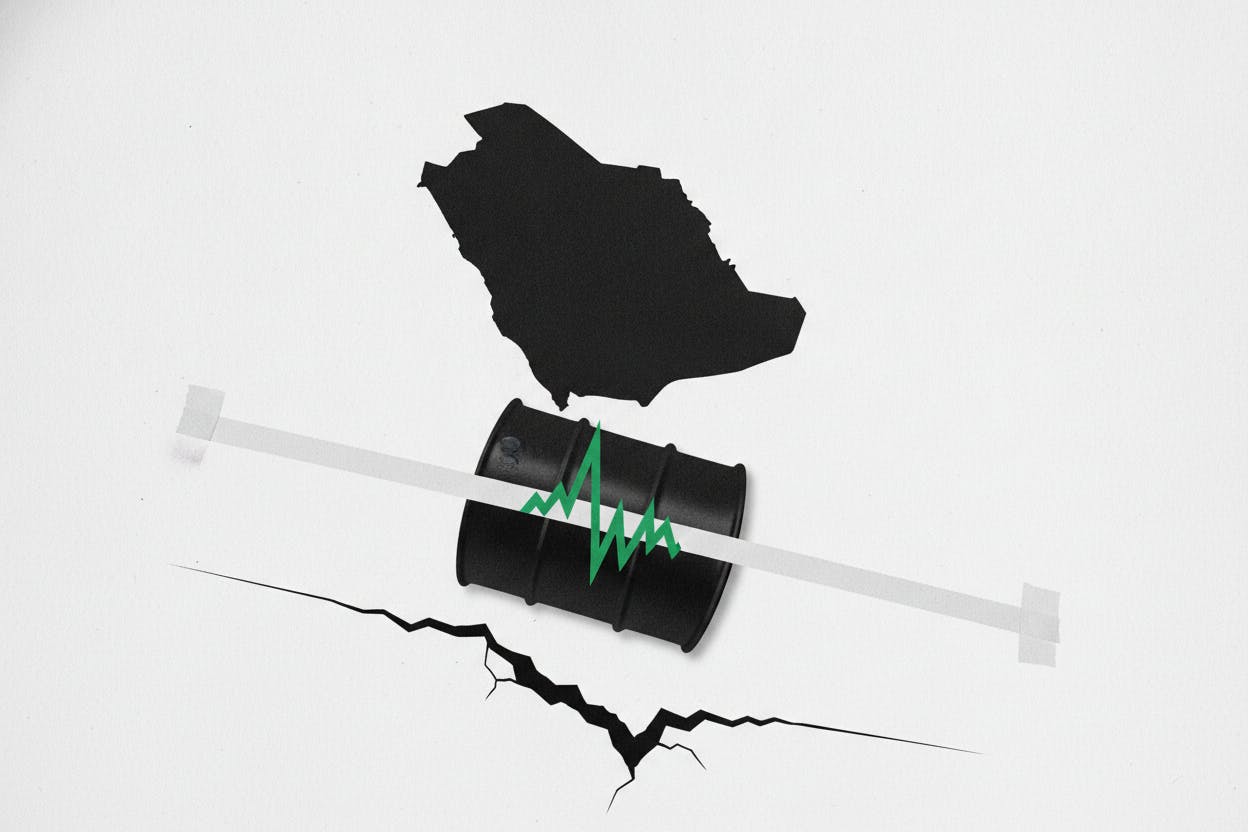
Saudi Arabian stocks edged lower on Thursday as investors juggled mixed signals about a potential US-Iran nuclear deal and awaited key economic data that could shape the outlook for trade and energy demand. The Tadawul All Share Index (TASI) slipped 0.25%, a modest move that belied the broader uncertainty hanging over the market.
What's driving the caution?
Traders were already on edge ahead of Saudi Arabia's next export and import figures and the final reading of US first-quarter economic growth. These data points can influence expectations for global trade, growth, and energy demand—all critical for an oil-dependent economy like Saudi Arabia's.
Then came the geopolitical wildcard. US President Donald Trump said Iran had agreed to extensive nuclear inspections, but Iranian officials publicly pushed back, leaving markets unsure whether talks are close to a resolution. That uncertainty matters because any easing of sanctions or other supply constraints could add more oil to the global market, potentially pushing prices lower.
Wells Fargo Investment Institute, the research arm of the US bank, said a deal could mean lower energy prices over the next 12 to 18 months as trade and supply restrictions loosen. However, it expects prices to stay above pre-war levels for a time because of implementation delays and ongoing geopolitical risks.
Stock-specific moves offer some relief
Not all the news was macro-driven. Ades Holding climbed after agreeing to buy Saudi Arabian Saipem for $285 million, a deal that could strengthen its position in the oilfield services sector. Takween Advanced Industries also edged up after proposing a capital reduction to address accumulated losses, a move that often signals a cleaner balance sheet ahead.
These company-specific stories provided a partial offset to the broader market drag, but the overall tone remained cautious.
What it means for investors
For everyday investors, the 0.25% dip in TASI is less important than what a potential US-Iran deal could mean for oil prices over the next year or so. Lower crude typically means less money flowing into government revenues, which can slow public and quasi-public spending that supports many domestically focused companies in the index.
At the same time, conflicting headlines can keep oil prices jumpy, and that uncertainty can raise the extra return investors demand for holding stocks—what's known as the equity risk premium. Put together, that tends to weigh more on domestic cyclical sectors like construction, retail, and banking than on some energy-linked firms, which can also benefit when their input costs fall as oil cools.
Investors should also keep an eye on how the broader market is reacting to similar geopolitical tensions. For example, energy stocks surged after Iran struck a ship in the Strait of Hormuz, showing how quickly sentiment can shift. Conversely, oil crept higher as energy stocks followed a larger-than-expected gas storage build, highlighting the many factors at play.
The bigger picture
The US-Iran deal saga is just one piece of a complex puzzle. Global markets are also watching central bank policy, inflation data, and corporate earnings. For Saudi investors, the key takeaway is that oil prices remain the single biggest driver of the local economy and stock market. Any sustained move lower in crude could ripple through the budget, government spending, and ultimately corporate profits.
Wells Fargo's 12-to-18-month outlook suggests that while a deal might not crash oil prices overnight, the direction of travel could be lower. That makes it a story worth watching for anyone with exposure to Saudi equities or energy markets more broadly.
For now, the market is in a wait-and-see mode, with traders scanning headlines for any hint of progress—or setback—in the talks. Until there's clarity, expect more of the same: modest moves, heightened sensitivity to oil price swings, and a focus on domestic data that can offer clues about the health of the non-oil economy.