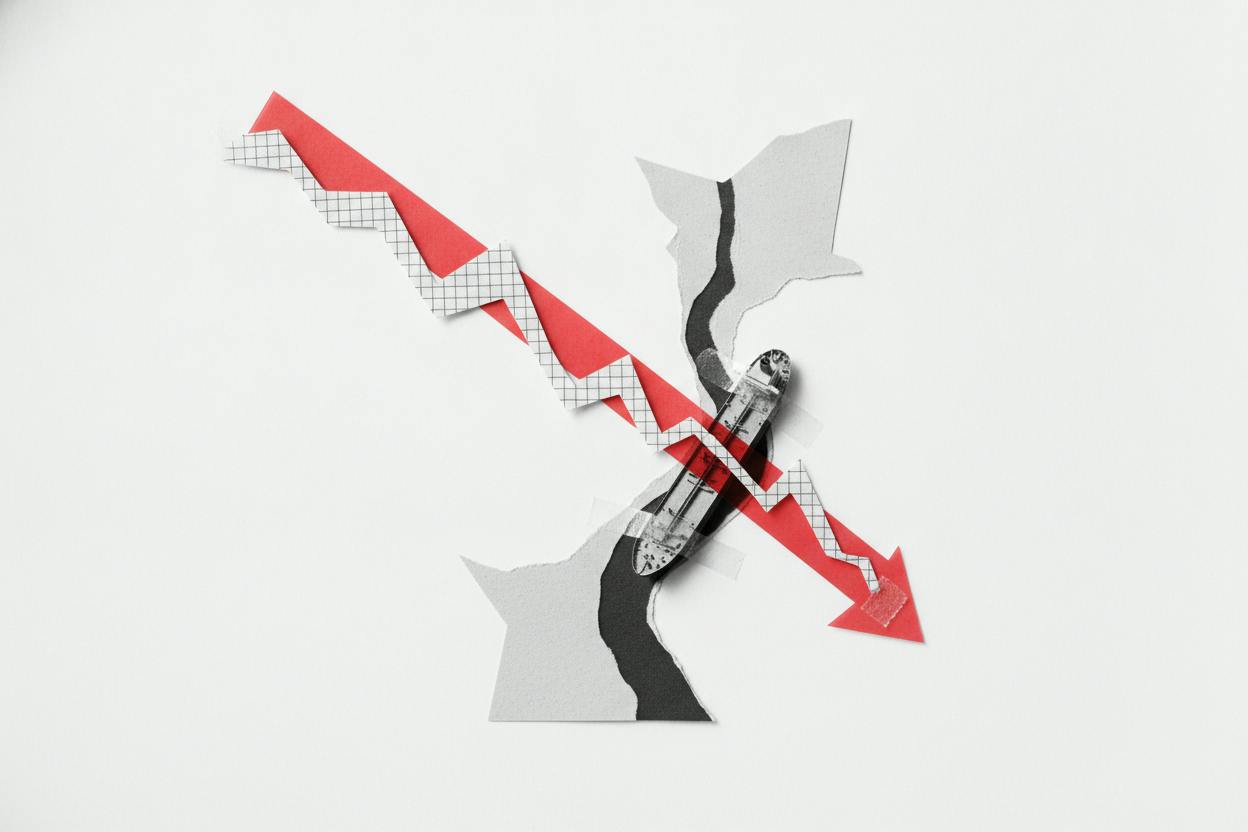
Saudi Arabia's stock market ended the week lower, with the Tadawul All Share Index slipping 1.57%, as a fresh wave of attacks in the Strait of Hormuz rattled investor nerves. Maritime security sources report at least 12 incidents since September 28, raising concerns about the safety of one of the world's most critical oil shipping lanes.
The Strait of Hormuz, a narrow waterway between the Persian Gulf and the Gulf of Oman, is a vital artery for global energy supplies. Roughly one-fifth of the world's oil passes through it, making any disruption a major concern for markets. When trouble flares there, investors don't just worry about oil prices—they also worry about whether ships can move on time and what it will cost to insure cargo.
What the attacks mean for markets
More attacks around Hormuz typically translate into higher shipping and insurance costs. That kind of uncertainty makes investors demand a higher return for holding Gulf-exposed stocks. In practice, a higher required return acts like a heavier discount on future profits, which can pull down broad indexes even before any company reports weaker earnings.
This dynamic is playing out across the region. Similar concerns have weighed on other Gulf markets, as seen in UAE stocks falling for a third day amid oil price jumps and a hawkish Federal Reserve. The ripple effects are also visible in broader emerging markets, where stocks and currencies slid as oil topped $104 and bond yields rose.
For Saudi Arabia, the Tadawul's weekly drop reflects a higher "Hormuz risk premium." Investors are pricing in the possibility of delays, higher costs, and potential supply disruptions. Even if no major incident occurs, the mere threat can keep a lid on valuations.
IEA steps in to calm oil markets
In a move to counter potential supply shocks, the International Energy Agency (IEA), the energy watchdog for major economies, said it aims to release oil stocks quickly as part of a plan to bring 100 million barrels of crude and diesel to market. Emergency reserves like these can limit how far oil prices jump in the short run, even as geopolitical risk rises.
That matters for Saudi Arabia and other oil exporters. A sharp oil price spike might normally cushion regional equities by boosting government revenues. But if the IEA's stock release caps the price rise, the "oil windfall" becomes less straightforward. Stocks may feel more of the geopolitical downside than the commodity upside.
This dynamic is not unique to Saudi Arabia. Oil surges and rising Treasury yields have rattled stock futures elsewhere, and South Korea's KOSPI logged a second weekly loss as chip stocks and oil prices weighed. The combination of geopolitical tension and higher energy costs is a global concern.
Business confidence softens slightly
Back home, Saudi Arabia's business confidence index edged down to 56.6 in September from 56.7. While the change is small, it signals a mild softening in sentiment rather than a sudden downturn. A reading above 50 still indicates that more businesses are optimistic than pessimistic, but the dip suggests that uncertainty is starting to seep into the real economy.
For everyday investors, the key takeaway is that geopolitical events can affect stock prices even when company fundamentals remain solid. The Tadawul's decline is a reminder that risk premiums can shift quickly, and that diversification across regions and asset classes can help manage such volatility.
What to watch next
Investors will be watching several factors in the coming weeks:
- Whether the IEA follows through on its promise to release oil stocks quickly, and how much that caps oil prices.
- Any further attacks in the Strait of Hormuz and their impact on shipping and insurance costs.
- How other Gulf markets, such as the UAE, respond to similar pressures.
- Whether business confidence in Saudi Arabia continues to drift lower or stabilizes.
For now, the mix of geopolitical risk and a potential oil price cap leaves Saudi stocks in a delicate spot. The market is pricing in more uncertainty, and until the situation in the Strait of Hormuz clarifies, volatility is likely to remain elevated.