Shell, one of Europe's largest energy companies, reported adjusted earnings of $9.84 billion for the second quarter, beating analyst estimates of $8.92 billion. The result more than doubled the $4.26 billion posted in the same period last year, driven by strong performance from its oil and gas trading desk.
The company credited higher oil and gas prices, stronger liquefied natural gas (LNG) and oil trading, and improved chemicals margins for the beat. These gains helped offset lower sales volumes after disruptions at its Qatar business, which were linked to the ongoing Middle East conflict.
How Shell's trading desk drives results
Shell's trading operation is a key profit center for the company, allowing it to profit from price swings in oil, gas, and LNG markets. In volatile periods, such as the current environment of geopolitical tensions and supply disruptions, trading desks can generate outsized returns by buying low and selling high across different regions and timeframes.
The company's ability to maintain strong trading profits even as physical production faced headwinds highlights the value of its integrated model. Shell is not just a producer; it also transports, refines, and trades energy products globally. This diversification helps stabilize earnings when one part of the business struggles.
Shell also kept its share buyback program at $3 billion per quarter, a pace it has maintained for several quarters. Buybacks reduce the number of shares outstanding, boosting earnings per share and returning cash to shareholders. The decision to maintain the pace signals management's confidence in the company's cash generation ability, even amid uncertainty in the global economy and energy markets.
What this means for investors
For everyday investors, Shell's results offer a few key takeaways. First, the company's trading desk continues to be a reliable profit engine, which can help cushion the impact of operational disruptions or weaker demand. Second, the maintained buyback pace suggests Shell sees its stock as undervalued and is committed to returning excess cash to shareholders.
However, investors should note that trading profits can be volatile and may not persist at the same level. The company's performance is also tied to global oil and gas prices, which are influenced by factors like OPEC+ decisions, economic growth, and geopolitical events. The disruptions in Qatar, for example, show how regional conflicts can affect production and sales volumes.
Shell's results come amid a broader trend of energy companies reporting strong profits, driven by elevated commodity prices and cost-cutting measures. The sector has been a standout in recent years, but investors should be aware of the cyclical nature of energy stocks. When oil prices fall, earnings can decline sharply.
For those interested in the energy sector, Shell's diversified business model and strong cash returns make it a notable player. The company's focus on LNG, which is seen as a transition fuel in the shift to cleaner energy, also positions it for long-term demand growth. However, the transition to renewable energy poses risks to traditional oil and gas companies, and investors should consider how Shell's strategy adapts to a lower-carbon future.
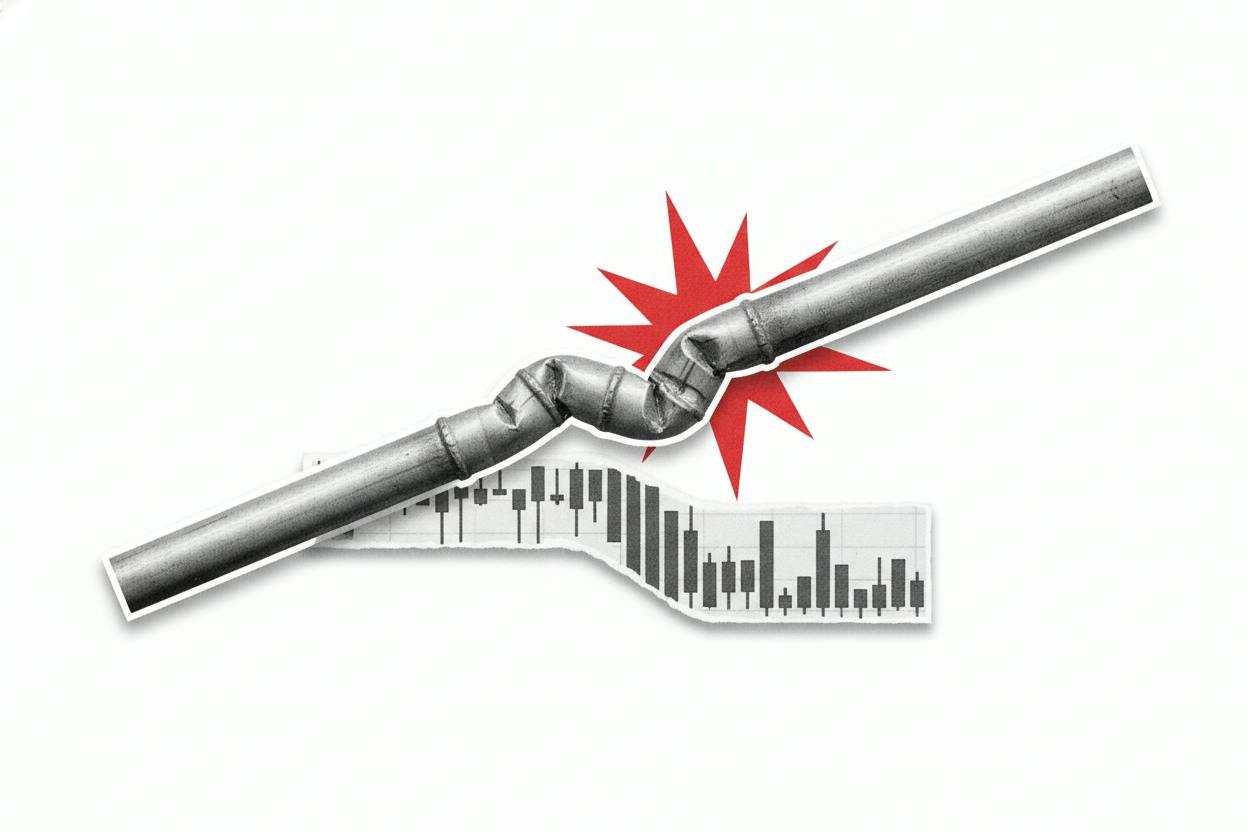
In related news, Shell and Phillips 66 are reportedly exploring the sale of the Explorer Pipeline in a deal worth up to $3.5 billion, which could further reshape the company's portfolio. Meanwhile, the broader market has seen mixed earnings from tech stocks, with ChatGPT nearing 1 billion users but tech stocks slipping on mixed results.
Shell's results also highlight the importance of trading desks in the energy sector. Other companies, like Robinhood, have also benefited from trading activity, though in different markets. For energy investors, Shell's ability to generate strong profits from trading is a key differentiator.
Looking ahead, investors will watch for updates on Shell's LNG projects, the resolution of Qatar disruptions, and any changes to its capital allocation strategy. The company's next quarterly report will provide further insight into whether trading profits can be sustained and how management plans to navigate the evolving energy landscape.