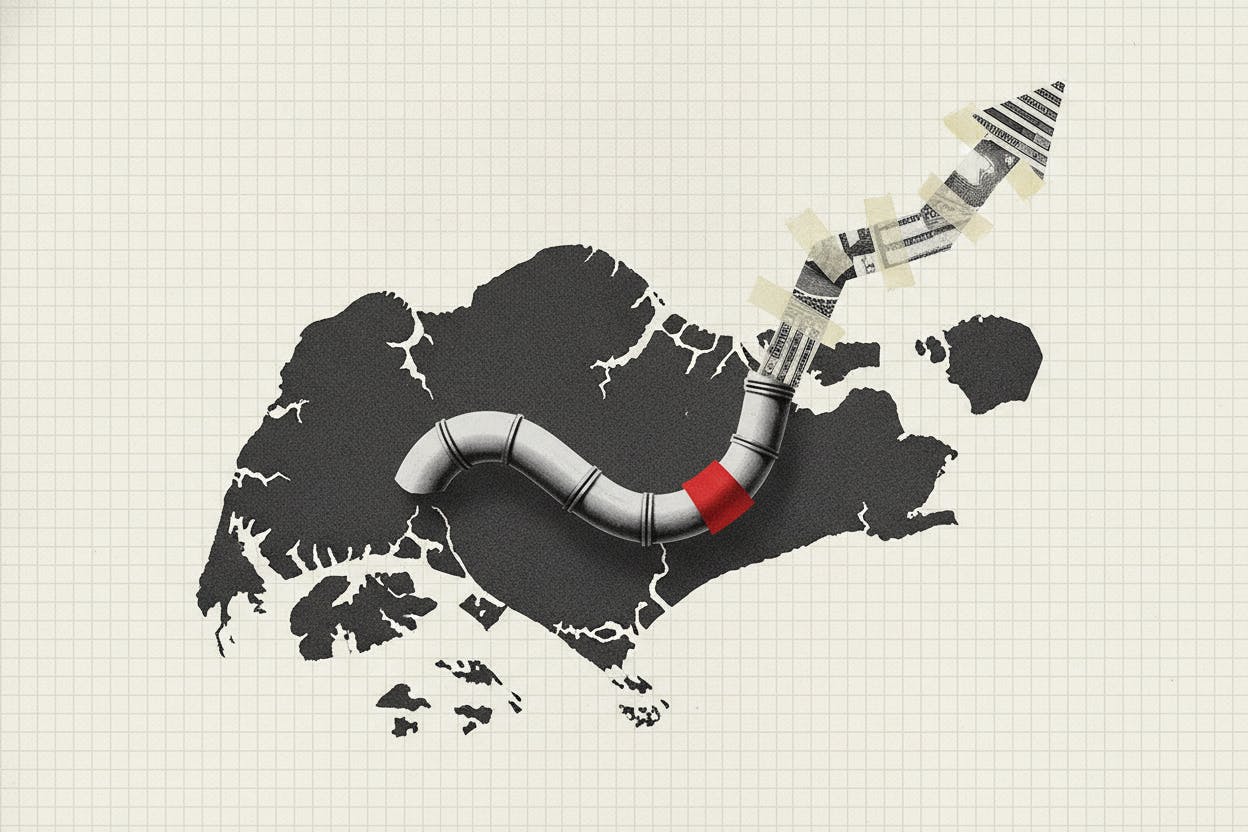
Singapore stocks ended Tuesday in the red, with the Straits Times Index (STI) dropping 1.2%. The decline came as rising oil prices and higher US Treasury yields weighed on sentiment across the region, echoing moves in other Asian markets.
The STI, which tracks the 30 largest companies listed on the Singapore Exchange, is often seen as a barometer for the local economy and investor confidence. A 1.2% fall is a notable move for the index, which has been relatively resilient in recent months.
What's behind the slide?
The main culprits were two familiar forces: oil and bond yields. Crude oil prices have been climbing, partly due to geopolitical tensions in the Middle East, which have raised concerns about supply disruptions. At the same time, US Treasury yields—especially the long-dated ones—have been creeping higher. When yields rise, they make bonds more attractive relative to stocks, which can pull money out of equities.
This combination has been a recurring theme in global markets. As tech stocks slip when oil climbs and the 30-year Treasury yield hits a 2007 high, the pressure is felt across sectors and regions. Higher oil prices can squeeze corporate margins and boost inflation expectations, while higher yields increase borrowing costs and reduce the present value of future earnings.
For Singapore, an open economy heavily reliant on trade, these global headwinds can quickly translate into local market moves. The STI's decline on Tuesday was in line with weakness in other Asian bourses, as investors reassessed the outlook for interest rates and growth.
Koh Brothers Eco Engineering takes a hit
One of the biggest losers was Koh Brothers Eco Engineering, whose shares tumbled nearly 10% after the company issued a legal update. The construction and engineering firm did not provide details in the brief, but such updates often relate to ongoing litigation or regulatory proceedings, which can create uncertainty for investors.
For a smaller-cap stock like Koh Brothers Eco Engineering, a double-digit percentage drop is significant. It highlights how company-specific news can drive sharp moves, especially when the stock is not heavily traded. Investors in such names should be prepared for volatility and should always consider the broader context of any legal or regulatory announcement.
What it means for investors
For everyday investors, the key takeaway is that global factors—like oil prices and US yields—can have a direct impact on local portfolios. When these forces move together, they can create a challenging environment for stocks, as we saw on Tuesday.
Higher oil prices can be a double-edged sword. While they benefit energy producers, they can hurt airlines, manufacturers, and consumers. In Singapore, companies like Singapore Airlines are particularly sensitive to fuel costs. Interestingly, Singapore Airlines has been using AI tools to improve customer satisfaction and cut wait times, but even operational efficiencies may not fully offset higher fuel expenses.
Rising US Treasury yields also matter for Singapore investors. They can influence the Singapore dollar, local interest rates, and the attractiveness of dividend-paying stocks. When yields rise, income-focused investors may shift some money from equities to bonds, putting pressure on high-dividend names that are popular on the STI.
This isn't the first time this year that oil and yields have moved in tandem. Oil's jump has lifted yields, pressuring gold and copper, and gold has slipped as Treasury yields climb and oil jumps on Middle East tensions. These cross-asset moves show how interconnected global markets have become.
Looking ahead
Investors will be watching several things in the coming days. First, the trajectory of oil prices—if they continue to rise, it could fuel inflation and force central banks to keep interest rates higher for longer. Second, US Treasury yields, especially the 10-year and 30-year, which are benchmarks for global borrowing costs. Third, any further legal or regulatory news from companies like Koh Brothers Eco Engineering that could affect individual stocks.
For those with a long-term horizon, days like Tuesday are a reminder to stay diversified and not overreact to short-term moves. While the STI's 1.2% drop is notable, it is not unprecedented, and markets often recover as quickly as they fall.
As always, it's wise to keep an eye on your own portfolio's exposure to oil-sensitive sectors and interest-rate-sensitive assets. Understanding how global forces affect your investments can help you make more informed decisions, even when the headlines are gloomy.