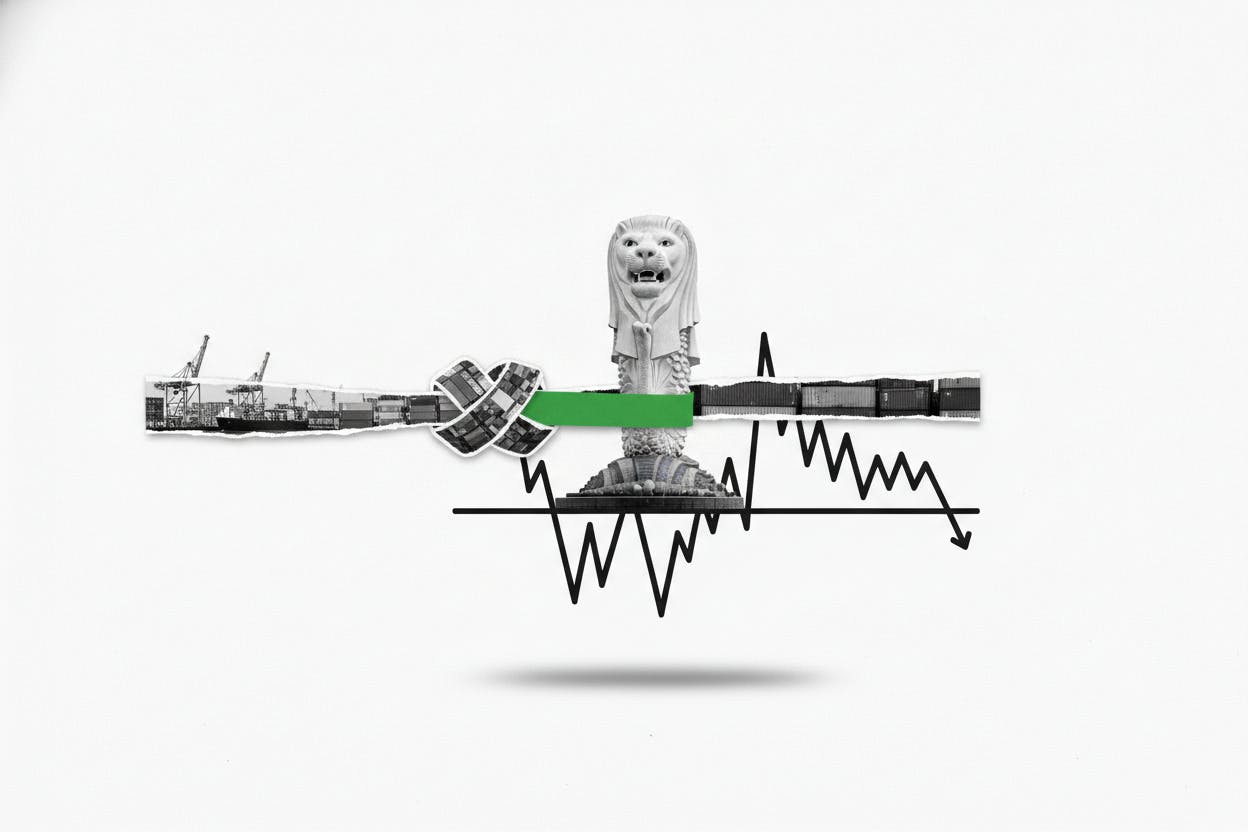
Singapore stocks edged lower on Tuesday as escalating tensions in the Red Sea and renewed US-Iran military strikes dampened investor appetite, even as a few company-specific updates provided bright spots. The Straits Times Index (STI) traded in a narrow range between 5,546 and 5,590 before closing 0.2% lower, reflecting a cautious mood rather than outright panic.
Red Sea Disruptions and Geopolitical Risks
The Red Sea, a critical waterway for global trade, has become a flashpoint in recent weeks. Attacks on commercial vessels by Houthi rebels, coupled with US-Iran strikes, have raised fears of prolonged supply chain disruptions. For Singapore, a major shipping and trading hub, any delays or cost increases in maritime routes can ripple through the economy, affecting everything from electronics to consumer goods.
Investors are particularly wary of the impact on energy costs. Oil prices have surged past $99 a barrel, boosting energy stocks but also raising input costs for businesses. The broader market is watching closely, as higher fuel costs can squeeze margins for airlines, shipping firms, and manufacturers. For everyday investors, this means keeping an eye on sectors like transport and logistics, which are most exposed to these disruptions.
Inflation Data Offers Some Relief
Amid the geopolitical noise, a key domestic data point provided a measure of calm. Singapore's June core inflation, which strips out accommodation and private transport costs, rose 1.6% year over year, according to the Monetary Authority of Singapore (MAS) and the Ministry of Trade and Industry. This was in line with expectations and suggests that price pressures are moderating, giving the MAS room to maintain its current monetary policy stance.
Core inflation is a closely watched metric because it reflects underlying price trends in the economy. A reading of 1.6% is relatively benign, especially compared to the higher levels seen in 2023. For investors, this reduces the risk of aggressive policy tightening, which could weigh on growth and corporate earnings. However, the Red Sea situation could still push up import costs, potentially feeding into inflation later in the year.
Company Moves: Acrophyte Hospitality Trust Rises
On the corporate front, Acrophyte Hospitality Trust was a standout performer, rising nearly 7% after announcing the sale of a hotel in Memphis. The deal underscores ongoing activity in the hospitality sector, which has been recovering as travel demand picks up. For investors, such moves highlight the importance of looking at individual company fundamentals, even when broader markets are subdued.
Other sectors were mixed. Energy stocks got a boost from higher oil prices, while technology and consumer discretionary names faced headwinds. The divergence reflects the complex interplay between geopolitical risks and domestic economic conditions.
What It Means for Investors
For everyday investors, the current environment calls for a balanced approach. The STI's modest decline suggests that markets are pricing in risks but not panicking. Key factors to watch include developments in the Red Sea, oil price movements, and any further inflation data from Singapore and major economies like the US and Europe.
Investors should also consider the broader context. US households now hold more wealth in stocks than real estate for the first time since WWII, a shift that underscores the growing importance of equity markets in household portfolios. Meanwhile, central banks like the European Central Bank are navigating similar challenges, as the ECB holds rates at 2.25% amid energy risks.
The oil price surge is also having global repercussions. Oil's rise past $99 has hit US stocks, as Red Sea tanker attacks stoke supply fears. For Singapore, a net importer of energy, higher oil prices can increase costs for businesses and consumers, potentially dampening economic growth.
Looking Ahead
In the near term, market attention will remain on geopolitical developments and their impact on supply chains. The STI's resilience suggests that investors are not overly bearish, but any escalation in the Red Sea could trigger further volatility. For those with long-term horizons, the current dip may present opportunities, but caution is warranted given the uncertainties.
As always, diversification remains a key strategy. With inflation moderating and the MAS likely to hold steady, Singapore stocks could find support from domestic fundamentals. However, the external environment remains fragile, and investors should stay informed about both global and local developments.



