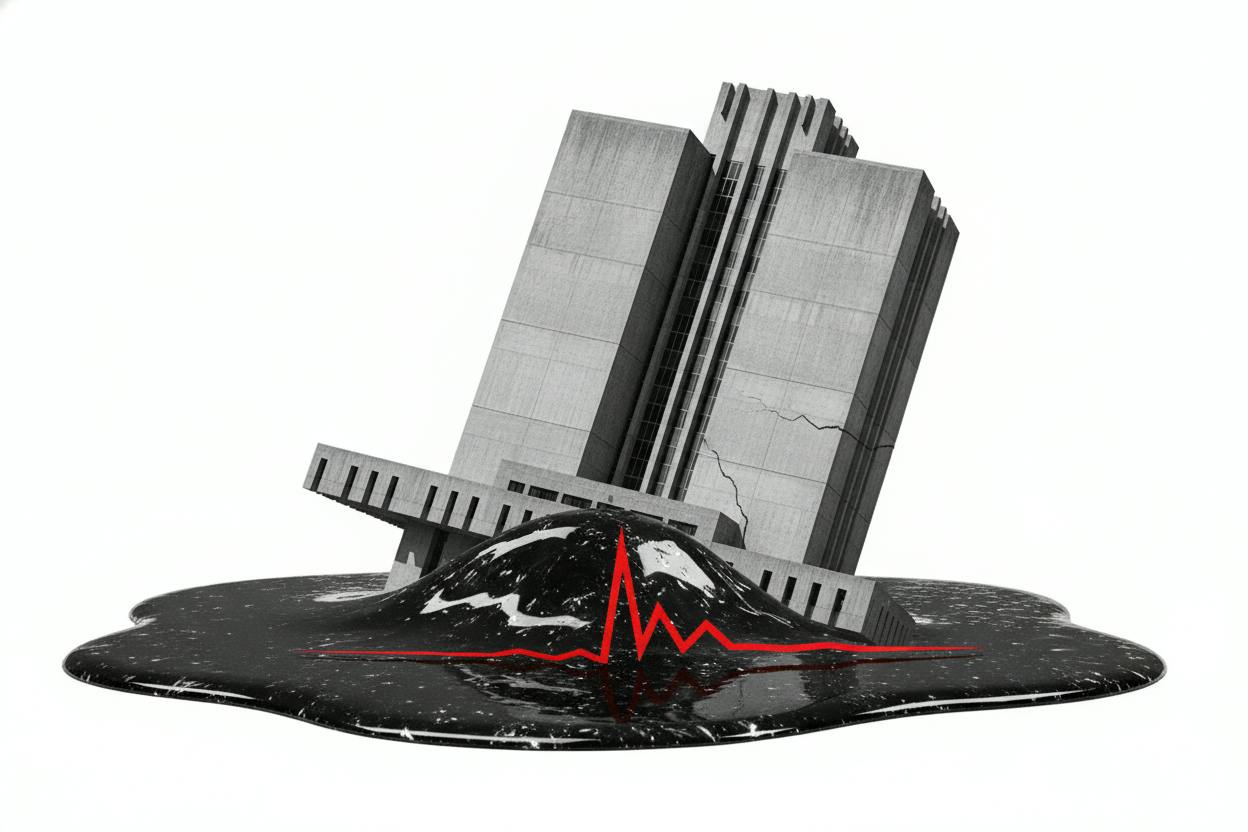
The European Central Bank (ECB) kept its key deposit rate at 2.25% this week, pausing its tightening cycle as eurozone inflation showed signs of cooling. But the central bank made clear that the threat from higher energy prices has not gone away, warning that oil-driven inflation could force its hand by September.
What the ECB Did
As widely expected, the ECB left its deposit rate unchanged at 2.25%, with its main refinancing rate and marginal lending rate also holding steady. The decision comes after a series of rate hikes over the past year aimed at taming the highest inflation in decades.
The pause was made easier by recent inflation data. Eurostat reported that headline inflation in the eurozone eased to 2.8% in June, down from 3.2% in May. Core inflation, which strips out volatile energy and food prices, also slipped to 2.4% from 2.6% in the prior month. These figures suggest that the ECB's previous rate increases are gradually working to cool demand and bring prices under control.
The Energy Wildcard
Despite the encouraging inflation numbers, the ECB's statement carried a cautious tone. Policymakers warned that the full impact of the latest energy shock on inflation remains uncertain. Oil prices have been climbing in recent months, driven by geopolitical tensions and supply concerns. If those higher costs feed through to consumer prices, they could undo some of the progress the ECB has made.
The central bank specifically flagged the risk of "second-round effects" — where higher energy costs lead to broader price increases across the economy, as businesses pass on their higher expenses to customers. This is the same dynamic that caught many central banks off guard in 2022, when what started as an energy price spike turned into a broad-based inflation crisis.
The ECB's warning echoes concerns seen in other parts of the world. For example, the Ghana central bank recently halted its rate-cutting cycle due to similar inflation worries linked to geopolitical tensions. And in Europe, the energy surge has already boosted corporate earnings expectations — European blue-chip earnings forecasts recently hit a three-year high, partly thanks to higher energy prices benefiting oil and gas companies.
What It Means for Investors
For everyday investors, the ECB's hold decision is a sign that interest rates may have peaked — at least for now. That's generally positive for bond prices and could support stock valuations, especially for growth-oriented companies that are sensitive to borrowing costs.
But the warning about energy risks means the picture could change quickly. If oil prices keep rising, the ECB may be forced to resume rate hikes in September, which would put renewed pressure on both bonds and equities. Investors should watch oil price movements closely, as they could be a leading indicator for the ECB's next move.
The energy sector itself has been a bright spot in European markets. Higher oil prices have boosted profits for energy companies, and the broader market has benefited from the rally in commodity stocks. Similar trends have been seen in other markets, where energy and mining stocks have driven indices to record highs.
However, the ECB's concern about second-round effects suggests that the central bank is watching for signs that higher energy costs are spreading to other parts of the economy. If that happens, it could mean higher rates for longer, which would be a headwind for most asset classes.
What to Watch Next
Investors should keep an eye on several key indicators between now and the ECB's September meeting:
- Oil prices: The biggest driver of the ECB's next decision. If crude continues to climb, the case for a September rate hike strengthens.
- Inflation data: July and August inflation readings will be critical. Any uptick in headline or core inflation could trigger a hawkish response.
- ECB communications: Speeches and interviews from ECB officials in the coming weeks will offer clues about the internal debate on rates.
- Eurozone economic data: Growth figures and employment data will help the ECB assess whether the economy can withstand further tightening.
The ECB's decision to hold rates steady gives investors a temporary reprieve from the uncertainty of rising borrowing costs. But the energy risk remains a cloud on the horizon. For now, the message from Frankfurt is clear: inflation is cooling, but the fight is not over.