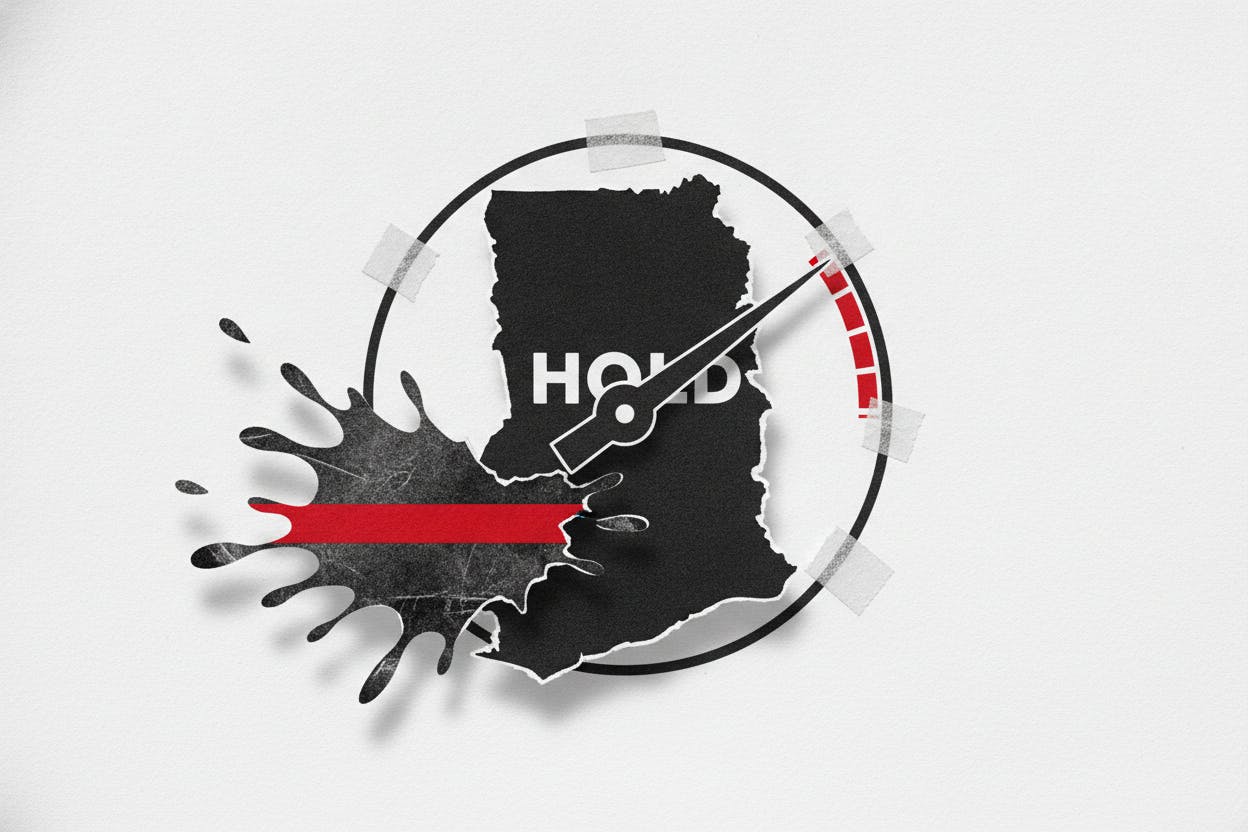
The Bank of Ghana has hit the brakes on its recent streak of interest rate cuts, keeping its benchmark policy rate at 14.0% after June inflation jumped to 5.3%. The decision, announced on [date], comes as energy price volatility linked to the ongoing Iran war threatens to push consumer prices higher.
What Happened?
Ghana's central bank had been on an aggressive easing path, slashing its policy rate from a crisis-era peak of 28% last year down to 14%. But June's inflation reading of 5.3%—up sharply from 3.7% in May—prompted policymakers to pause. The bank's official target band is 6% to 10%, meaning inflation is now within that range but trending in the wrong direction.
The central bank cited energy market uncertainty and disrupted trade routes from the Iran war as key risks. Higher oil and gas prices could quickly feed into transport costs and food prices in Ghana, a net importer of refined petroleum products.
Why It Matters for Investors
For everyday investors, a pause in rate cuts means borrowing costs—from mortgages to business loans—will stay elevated for now. That can squeeze household budgets and corporate margins. On the flip side, higher rates can support the Ghanaian cedi and make local bonds more attractive to foreign investors seeking yield.
The decision mirrors a broader global trend: central banks from Sri Lanka to Japan are wrestling with sticky inflation and geopolitical shocks. Sri Lanka's central bank also held its rate steady recently, while the Bank of Japan signaled faster rate hikes as inflation worries mount.
Energy Volatility: The Wild Card
The Iran war has sent shockwaves through global energy markets. Crude oil prices have spiked, and shipping routes through the Middle East face disruption. For Ghana, which relies on imported fuel for power generation and transportation, this creates a direct pipeline to higher consumer prices.
Central bank officials noted that while June's inflation is still within the 6%-10% target, the trajectory is concerning. If energy costs continue to rise, inflation could breach the upper bound, forcing the bank to consider rate hikes instead of cuts.
This energy-driven inflation is not unique to Ghana. DSV, a global logistics firm, recently raised its profit guidance partly due to Middle East risks, highlighting how supply chain disruptions are affecting companies worldwide.
What's Next?
Investors will watch Ghana's July inflation data closely. If the reading stays below 10%, the central bank may resume cutting rates later this year. But if energy shocks push inflation higher, the pause could become a full stop—or even a reversal.
For now, the Bank of Ghana is signaling caution. The rate hold also aligns with other central banks' recent moves: the Bank of England is poised to hold rates despite a dip in UK inflation, and the Bank of Japan is preparing for faster hikes as AI-related costs and a weak yen stoke price pressures.
The Bottom Line
Ghana's rate pause is a reminder that the global fight against inflation is far from over. Geopolitical shocks like the Iran war can quickly undo months of progress, forcing central banks to choose between supporting growth and containing prices. For investors in Ghanaian assets—bonds, equities, or the cedi—the key variable remains energy costs. Until those stabilize, expect more caution from Accra.