South Africa's inflation rate ticked higher in August, but the increase was smaller than economists had predicted, leaving expectations for an interest rate cut later today largely intact.
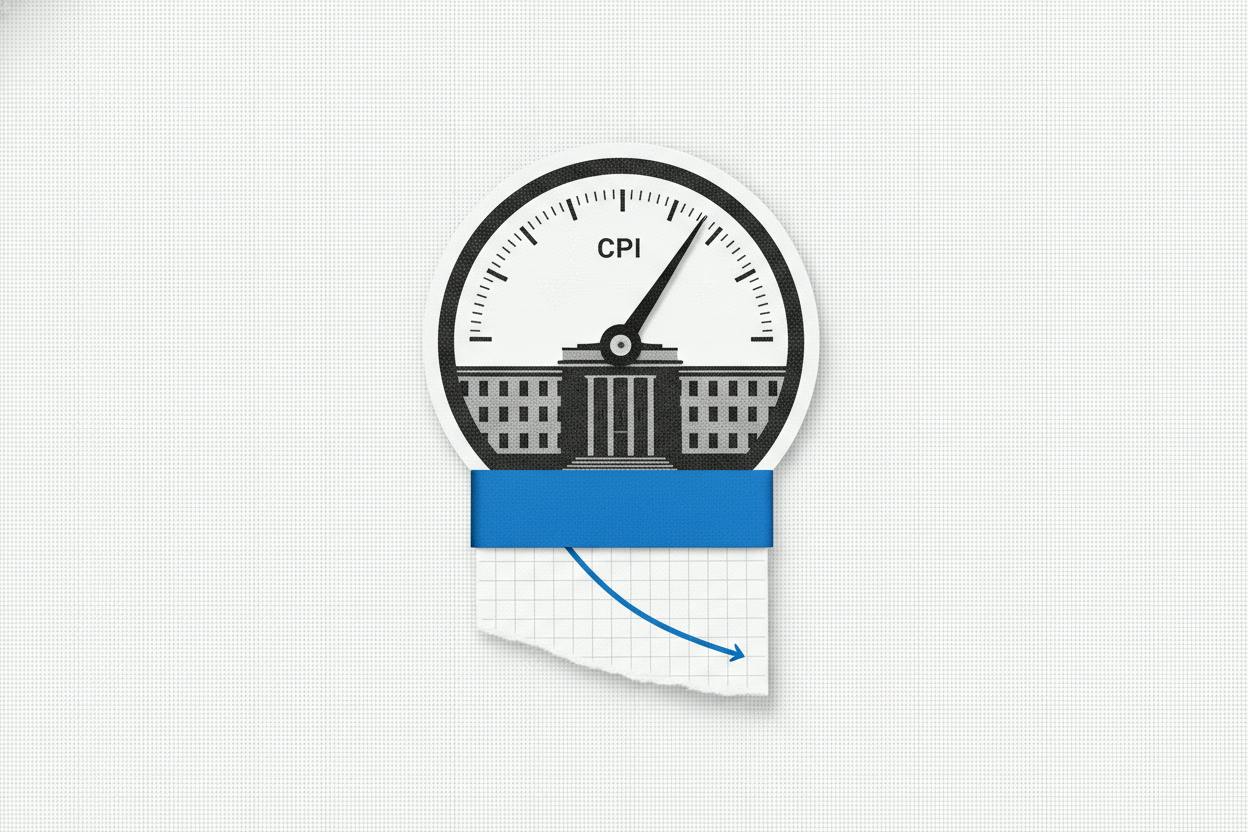
Statistics South Africa reported that consumer prices rose 4.4% year-on-year in August, up from 4.3% in July. That was below the 4.5% average estimate from a Reuters poll of economists. The modest uptick is unlikely to derail the South African Reserve Bank's (SARB) monetary policy decision, with most analysts still forecasting a 25-basis-point cut to the repo rate.
What's driving the numbers?
The main contributors to the August inflation reading were housing and utilities, transport, and insurance and financial services. These categories have been under pressure for months, reflecting higher electricity tariffs, fuel costs, and service fees.
Core inflation, which excludes volatile items like food and fuel, actually eased to 4.1% from 4.2% in July. That suggests underlying price pressures are moderating, even as the headline figure nudged up.
Food inflation was particularly subdued at just 1.1% year-on-year. Analysts attributed this to strong crop production, which has kept food prices in check. However, there is some caution about the potential impact of an El Niño weather pattern, which could bring drier conditions and affect future harvests.
Rate decision in focus
The inflation data lands just hours before the SARB's monetary policy committee announces its rate decision. The central bank has been in a tightening cycle for much of the past two years, but with inflation now comfortably within its 3% to 6% target range, many economists believe the time is right for a cut.
A 25-basis-point reduction would bring the repo rate down to 8.00%, offering some relief to borrowers who have faced high interest costs. However, the SARB has been cautious, citing global uncertainties and the risk of a weaker rand.
Investors will be watching the accompanying statement for clues about the future path of rates. If the central bank signals that further cuts are possible, it could boost sentiment in rate-sensitive sectors like property and retail.
What it means for investors
For everyday South Africans, a rate cut would mean lower monthly repayments on variable-rate loans, including home loans and personal credit. That could free up disposable income and support consumer spending.
For investors, the inflation data and rate decision are key signals for the direction of the economy. Lower rates typically support equities, especially growth-oriented companies, while they can weigh on the rand and on fixed-income yields.
However, the SARB's decision is not a foregone conclusion. Some economists argue that the central bank should hold off, given the potential for El Niño to push food prices higher later in the year. Others point to the easing core inflation as evidence that the economy can handle a cut.
The broader global backdrop also matters. Central banks in developed markets, including the US Federal Reserve, have been signalling that interest rates may stay higher for longer. That could limit the SARB's ability to cut aggressively without putting pressure on the currency.
As South Africa's inflation test and rate decision loom, investors are bracing for potential volatility in the rand and local bonds. The outcome will also be watched by those with exposure to African markets, where rate decisions often ripple across the region.
In the meantime, the inflation report offers a mixed picture: headline inflation is creeping up, but the underlying trend is more benign. That gives the central bank some room to manoeuvre, but it also means the decision is a close call.
For now, most economists are sticking with their forecast of a 25-basis-point cut. If the SARB delivers, it would mark the first reduction in this cycle and could set the tone for the rest of the year.