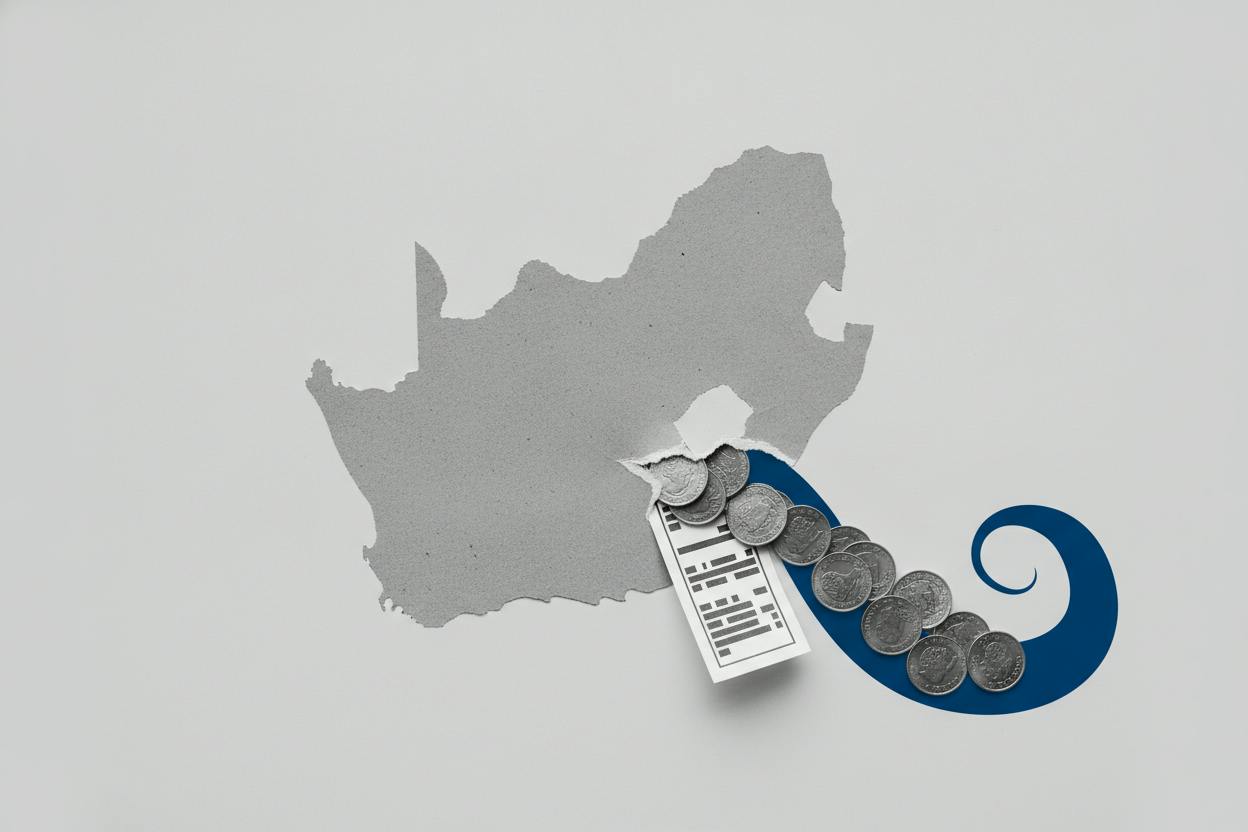
South Africa's financial markets begin the week with two key indicators of investor sentiment: the activity of foreign traders in local bonds and equities, and the outcome of Monday's Treasury bill auction. These will provide a real-time read on demand for rand-denominated assets, set against a global backdrop of AI-driven market moves and uncertainty about US interest rates.
Why foreign flows matter
Foreign investors are a significant force in South Africa's bond and equity markets. When they buy, they bring in hard currency, which supports the rand and helps keep local borrowing costs down. When they sell, the opposite happens: prices must adjust to attract new buyers, bond yields rise, and the rand often weakens as foreign investors convert their proceeds back into their home currencies or hedge their exposure.
This dynamic is why market participants watch foreign trading so closely. A sustained outflow can signal a loss of confidence in the country's economic prospects or a shift in global risk appetite. Conversely, inflows can be a vote of confidence, even if they are driven by yield-seeking rather than a fundamental view on South Africa.
The Treasury bill auction as a signal
Monday's Treasury bill auction is a particularly clean test of demand. The government offers short-term debt, and the auction produces a "stop-out yield" – the highest interest rate accepted to sell the full amount on offer. If that yield jumps, it means investors demanded more compensation to hold South African debt, which can reset expectations for short-term interest rates and feed through to other borrowing costs that are priced off government rates.
A softer auction – one where demand is weak at current rates – forces the Treasury to pay up, lifting the front end of the government yield curve first. That tends to ripple into other rand assets, from floating-rate corporate debt to parts of the interest-rate swap market, and can add pressure on the currency if higher yields still fail to attract enough offshore money.
Global backdrop: AI and Fed jitters
The local picture is not happening in a vacuum. Global markets are being driven by headlines about artificial intelligence, which have fueled both optimism and volatility in tech stocks, and by persistent questions about when the US Federal Reserve will next move interest rates. A stronger dollar, for example, can weigh on emerging-market currencies like the rand, as it did in recent sessions when the dollar's five-day climb put Fed rate hike expectations back in focus.
For South Africa, the interplay between global risk sentiment and domestic fundamentals is crucial. When global investors are risk-averse, they tend to pull money from emerging markets, including South Africa. When they are risk-on, they often seek higher yields in places like Johannesburg.
What it means for investors
For everyday investors, the key takeaway is that Monday's data points are more than just market trivia. They are signals about the cost of borrowing for the government, which ultimately affects everything from mortgage rates to corporate bond yields. If the Treasury bill auction shows weak demand, it could be a sign that investors are demanding a higher premium for South African risk, which could translate into higher borrowing costs for businesses and consumers.
Similarly, foreign flows into local equities can influence the performance of the JSE, particularly in large-cap stocks that are heavily traded by offshore investors. A sustained outflow could weigh on share prices, while inflows could provide support.
It's also worth noting that South Africa is not alone in facing these dynamics. Other emerging markets are watching similar signals, as highlighted by the record foreign buying in Indian stocks and the rupee's struggle against a strong dollar despite those inflows. The global environment is a key driver for all these markets.
The road ahead
Investors will be watching not just Monday's auction and flow data, but also how the global backdrop evolves. Any major AI-related headlines or Fed commentary could shift risk sentiment quickly, and South Africa's markets will feel the effects. The Treasury bill auction, in particular, will be a live price check on foreign demand for rand risk, and its outcome could set the tone for the rest of the week.
For now, the message is one of caution and attention. South Africa's markets are open, and the first test of the week is whether foreign investors still want to be here.