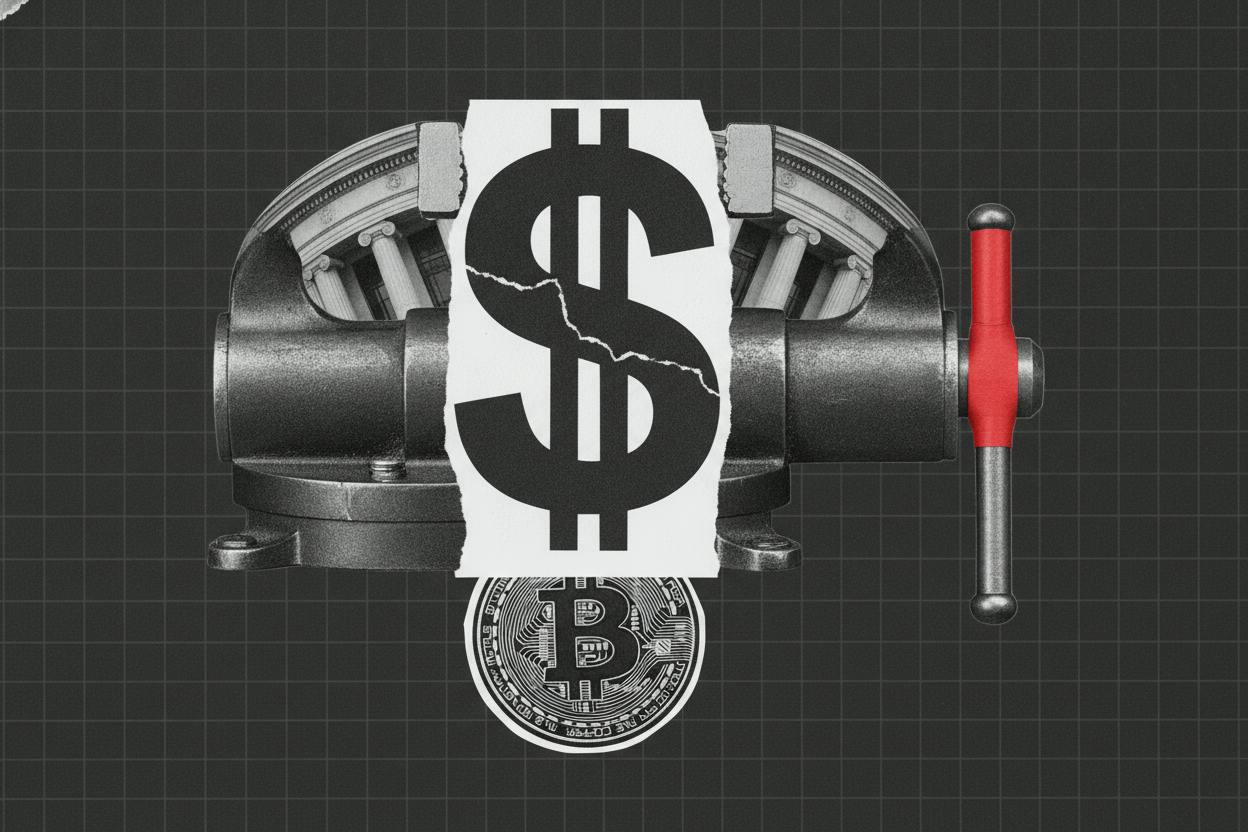
The US dollar extended its winning streak to a fifth session on Tuesday, with the dollar index touching its strongest level since April 2025. The move comes as traders increasingly bet that the Federal Reserve will resume raising interest rates, reversing the easing cycle that markets had expected just weeks ago.
What's driving the dollar higher?
The rally isn't tied to a single blockbuster data release. Instead, it's the result of a steady stream of signals that inflation remains stubbornly above the Fed's 2% target. October price data came in hotter than expected, and Kansas City Fed President Jeff Schmid added fuel to the fire by saying the central bank “has some work to do” on inflation.
Those comments, along with the inflation prints, have reshaped expectations for the Fed's December 9th meeting. According to fed funds futures, traders now see a 91.1% chance of a quarter-point rate hike. That's a dramatic shift from just a few weeks ago, when many investors were betting on a pause or even a cut.
The dollar index, which measures the greenback against a basket of major currencies, edged up to 103.47. That's the highest level since April 2025, and it reflects a broader trend of dollar strength that has been building for months.
Why a stronger dollar matters
A rising dollar has ripple effects across global markets. For US investors, it can be a double-edged sword. On one hand, a stronger dollar makes imported goods cheaper, which can help tame inflation. On the other hand, it makes US exports more expensive, which can weigh on multinational companies' earnings.
For emerging markets, a stronger dollar is often a headwind. It makes dollar-denominated debt more expensive to service and can put pressure on local currencies. That's a dynamic we've seen play out in recent weeks, with currencies like the rupee caught between a strong dollar and record equity inflows.
The dollar's strength is also affecting commodities. A firmer greenback typically puts downward pressure on gold and other dollar-priced assets. Indeed, gold has slipped as the dollar firms, though central bank buying has offered some support. Similarly, wheat prices have slid toward multi-month lows as dollar strength and bigger harvests weigh on the market.
What it means for investors
For everyday investors, the key takeaway is that the Fed's path is far from certain. The market is now pricing in a high probability of a hike in December, but that could change quickly if economic data surprises to the downside or if Fed officials strike a more cautious tone.
If the Fed does hike, it would mark a reversal from the easing cycle that many had expected. That could lead to higher Treasury yields, which in turn could pressure stocks, particularly growth and technology shares that are sensitive to interest rates.
On the other hand, a stronger dollar and higher rates could be a boon for savers, as yields on cash and short-term bonds remain elevated. It could also benefit sectors like financials, which tend to perform well when interest rates rise.
Investors should also keep an eye on how the dollar's strength affects other markets. For example, the yuan has held steady as Chinese authorities use tools to blunt dollar strength, but other currencies may not be so lucky.
What to watch next
The next major catalyst will be the Fed's December meeting, but before that, investors will get a fresh batch of economic data, including the latest jobs report and consumer inflation figures. Any surprises could quickly shift rate expectations and, in turn, the dollar's trajectory.
Also worth watching is the reaction from other central banks. If the Fed hikes while others hold or cut, the dollar could strengthen further. That would have implications for global trade, emerging markets, and corporate earnings.
For now, the dollar's five-day climb is a clear signal that the market is taking the Fed's inflation fight seriously. Whether that translates into an actual rate hike remains to be seen, but the odds are certainly leaning that way.