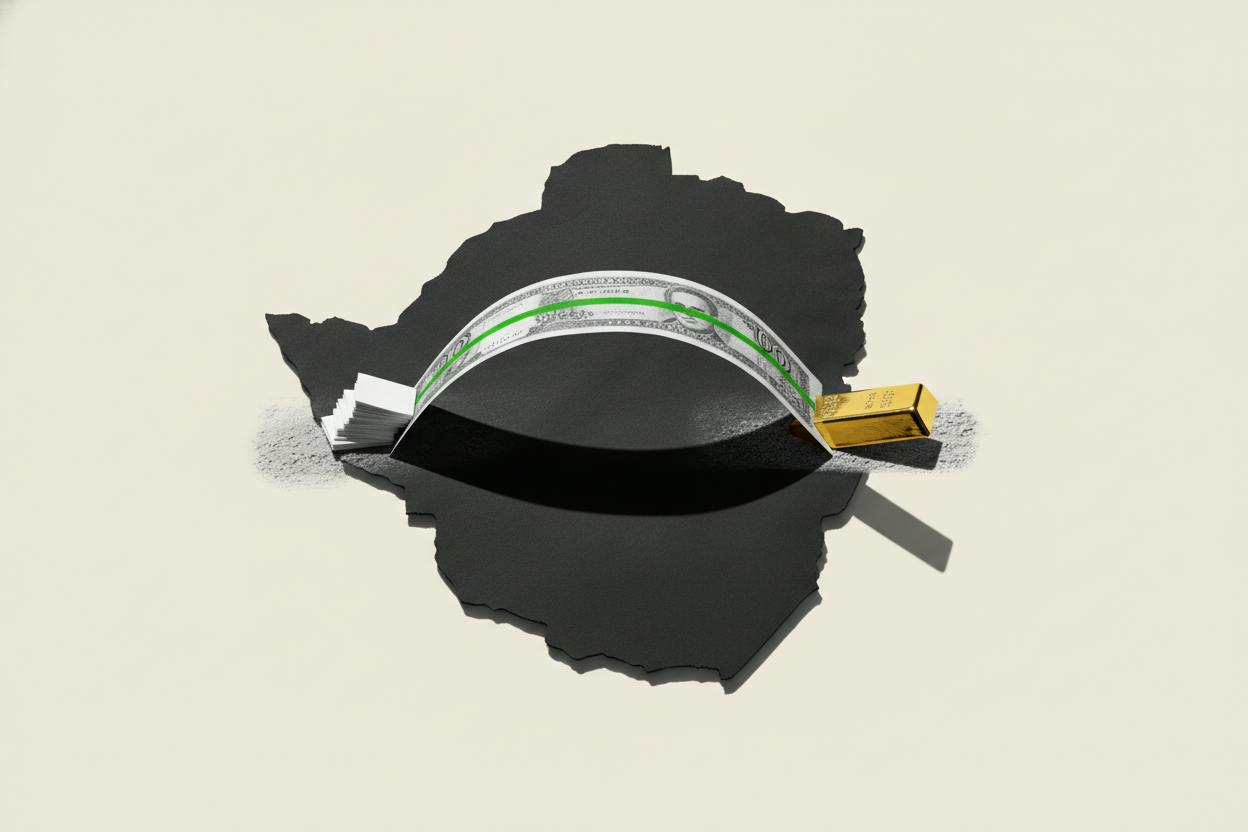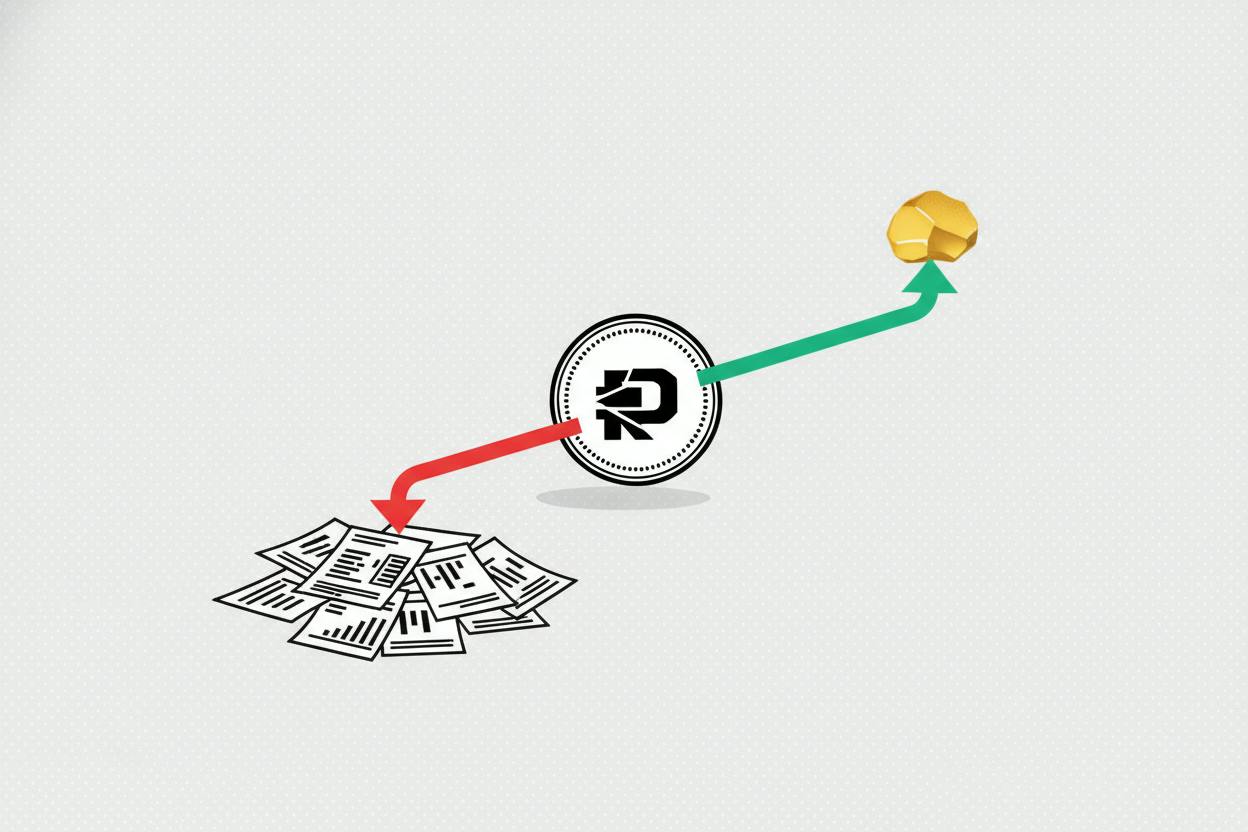
South African markets are navigating two competing forces this week: a stream of municipal election results at home and a global mood that has turned more optimistic after the US midterm elections. For local traders, Thursday is a test of which signal carries more weight.
On the domestic front, vote tallies are still coming in, and investors are watching them closely for clues about political stability and the shape of local governance. Coalition dynamics and the quality of municipal administration can influence how smoothly the country is run, which in turn affects investor confidence. Alongside the election news, a whole-economy purchasing managers' index (PMI) is due, offering a fresh snapshot of business activity across South Africa. The PMI is a widely watched gauge that surveys companies about new orders, output, employment and costs; a reading above 50 signals expansion, while below 50 points to contraction.
Offshore, the backdrop has turned more supportive for riskier assets. US midterm results appear to have calmed markets, and investors have responded by nudging money toward assets that carry more risk. A softer US dollar and lower US Treasury yields have been central to that shift. When US rates and the dollar cool, global financing conditions feel less tight, and investors often become more willing to hold emerging-market assets. That dynamic helped push gold up nearly 2% to a two-week high, a move that reflects both the weaker dollar and the broader improvement in risk appetite.
Why the global mood matters for South Africa
South Africa does not get that global tailwind for free. The same forces that lift gold and other commodities can also funnel money toward higher-yielding markets, and that often shows up first in the rand and in South African government bonds, known as SAGBs. Stronger inflows typically mean a firmer currency and lower local borrowing costs, which can be a welcome relief for a country that relies on foreign capital to fund its budget and current account.
But domestic factors can quickly flip the script. If the municipal results point to messier politics, or if the PMI suggests slowing business activity, investors may demand a bigger premium to hold rand assets. That premium, sometimes called a 'South Africa premium,' is the extra return investors require to compensate for political and economic risk. When it rises, the rand tends to weaken and SAGB yields tend to climb, making it more expensive for the government and companies to borrow. Equities on the Johannesburg Stock Exchange often follow, as funding conditions and investor appetite shift.
The push-pull is a familiar one for South African markets, which have long been sensitive to both global sentiment and domestic politics. The country's fiscal position, power supply problems and structural growth challenges have kept risk premiums elevated in recent years, so any sign of political instability or economic weakness can quickly overshadow a favourable global backdrop.
What it means for investors
For everyday investors, the key takeaway is that South African assets are being pulled in two directions. On one hand, a softer dollar and lower US yields can support the rand, local bonds and even gold-related investments. On the other, domestic political uncertainty or a weak PMI can erase those gains by raising the risk premium investors demand.
Gold's nearly 2% rise is a useful illustration of the global side of the equation. Gold is priced in dollars, so a weaker dollar makes it cheaper for buyers using other currencies, and lower US yields reduce the opportunity cost of holding an asset that pays no interest. That combination often lifts gold prices, and it can also signal that investors are feeling more comfortable with risk overall.
But the local side is just as important. Municipal elections are not just about who runs local councils; they can shape the broader political landscape and influence how investors view the country's governance. A clear, stable outcome could reassure markets, while a fragmented or contentious result could raise concerns about policy continuity and coalition gridlock.
The PMI reading will add another piece to the puzzle. If it shows business activity holding up, that would support the case for South African assets. If it points to a slowdown, it could reinforce worries about the economy's momentum, especially with load-shedding and other structural constraints still in play.
Investors will likely watch the rand and SAGB yields in the coming days as the clearest signals of how the market is weighing these forces. A firmer rand and lower yields would suggest the global tailwind is winning; a weaker rand and higher yields would indicate domestic concerns are taking the lead.
For those with exposure to South African equities or bonds, the message is to stay alert to both the election fallout and the economic data. The global risk-on mood is a supportive backdrop, but it is not a guarantee. Domestic politics and growth indicators can quickly change the calculus, and the 'South Africa premium' can move in either direction.
As always, this is about understanding the forces at play, not making a hasty move. Markets will keep digesting the election results and the PMI, and the rand and bond market will be the first place to see which signal wins out.